
The cherry on top: Bakery packaging puts visual appeal at the center of recyclable design


Key takeaways
- Bakery brands seek recyclable formats that protect fragile products and maintain shelf appeal.
- Smaller portions, resealable packs, and grab-and-go formats drive convenience-focused innovation.
- Regulatory pressures accelerate material changes, while barrier performance remains critical to limiting food waste.
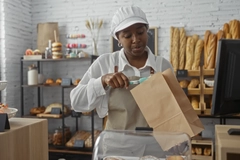
Most bakery products require packaging that protects their delicate structure and intricate ingredients.
Meanwhile, converging recyclability and consumer convenience trends are pushing manufacturers to balance these demands while maintaining bakery packaging’s visual appeal.
Packaging Insights speaks to Coveris, Klöckner Pentaplast (KP), Korozo Group, and Solidus about current trends in the bakery packaging landscape, as well as prominent formats, and the challenges unique to the fragile nature of pastry and breads.
“Bakery has always been a highly visual category when product decoration finishes can communicate quality before the shopper reads the label,” says Cecilia Guardado, marketing and innovation director for Trays at KP.
“The most appealing pack and label design can’t compete with the sight of a golden, freshly baked cake or pastry inside, and the best packaging formats embrace that reality.”
At the same time, Fatih Imre, market manager for consumers at Korozo Group, says that a notable development in the bakery packaging space is the growth of premium niche categories, such as organic, gluten-free, and clean label options that require packaging to act as a communication platform that “informs as much as appeals.”
Increasingly, consumers are aware of the environmental consequences of packaging pollution and actively seek options that reduce waste.
A spokesperson at Solidus adds, “Consumers are more environmentally conscious than ever before. Packaging is no longer just seen as a way to protect the product. It is becoming an integral part of the overall brand experience, making sustainability more visible to consumers while still providing the necessary product protection and shelf appeal.”
In addition to this, all four experts identify consumer convenience as a key trend in the bakery packaging format, while product freshness remains imperative for products that rely on the inherent aesthetic appeal of baked items.
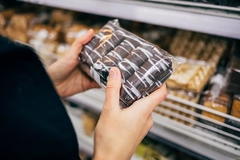
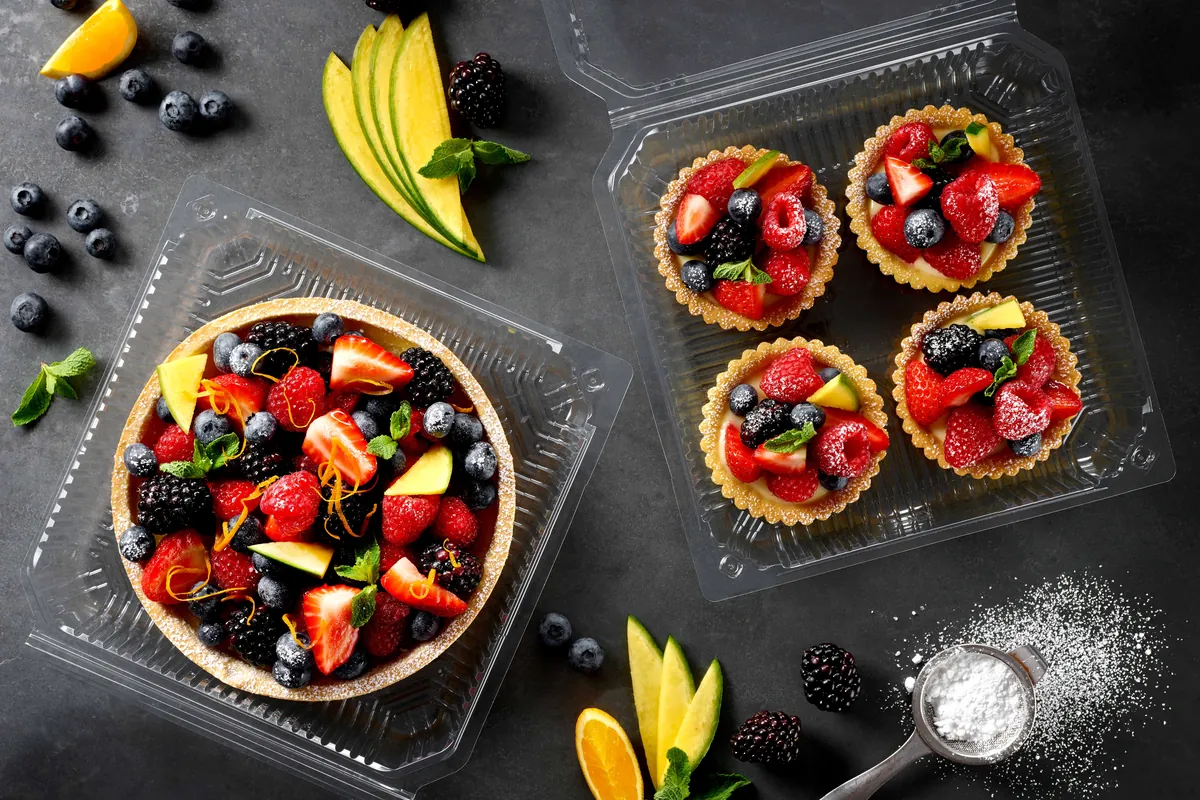 Clear product visibility helps bakery packaging communicate quality before shoppers read the label, says Guardado (Image credit: KP).“Bakery packaging is being shaped by three closely connected priorities: sustainability and recyclability, product freshness, and convenience,” says Katja Killian, business development director, BU Flexibles at Coveris.
“Consumers expect packaging to be easier to recycle and use less material, but not at the expense of freshness, food safety, product visibility, or ease of use.”
Material and format changes
As regulations impose recycled content and recyclability requirements on packagers, bakery packaging innovators are exploring different paths. Guardado says that “virtually all” of its bakery customers are facing changing expectations around reduced material use, recyclable designs, and recycled content.
“There is growing interest in fiber-based packaging formats that can replace rigid plastic, such as solid board punnets,” comments the Solidus spokesperson.
“Solid board punnets can help bakery brands reduce their use of plastic and prepare for the requirements of the EU's Packaging and Packaging Waste Regulation (PPWR). They also offer the rigidity needed to protect products during handling and transport.”
Coveris’ Killian also notes the rise in paper-based solutions, pointing toward its MonoFlexFibre Plus solution, but suggests that for cakes, pastries, biscuits, bars, and ambient bakery products, recyclable flexible films and monomaterial structures are gaining momentum.
“Horizontal and vertical flow-wrap films remain particularly relevant because they combine efficient packing with tailored barrier properties, sealing performance, and strong product presentation.”
Harking back to the importance of visual appeal in bakery packaging, Killian adds that pre-made stand-up pouches, flat-bottom bags, and gusseted paper bags are also attracting interest where brands want to combine shelf presence — as well as convenience and recyclability.
Killian continues: “For bread and fresh bakery, lightweight recyclable wicketted bags remain important because they combine high-speed packing, product visibility, and functionality.”
Consumer convenience
Underpinning bakery packaging’s material developments is the drive for consumer convenience as lifestyle routines change, and the indulgent consumer looks for luxurious, yet easy, experiences.
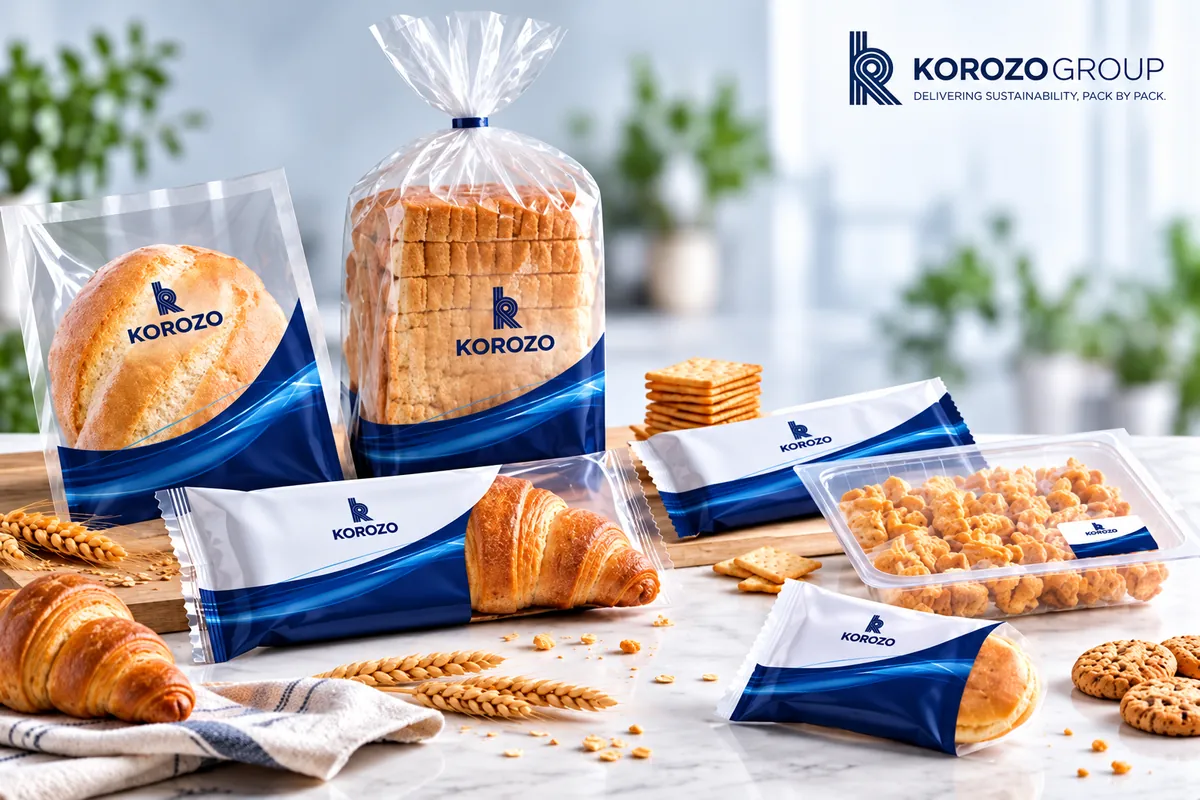 Imre says consumers increasingly seek grab-and-go portions and resealable packaging that maintains freshness across several occasions (Image credit: Korozo Group).“Changing lifestyles are driving demand for convenience-oriented bakery products,” argues Korozo’s Imre.
“Consumers increasingly seek grab-and-go formats that offer individual portions, or resealable packaging that maintains freshness throughout several different occasions, sometimes spread across several days.”
She explains that this trend is driving packaging innovations that prioritize functional convenience.
Likewise, KP’s Guardado explains that indulgence and food-to-go are shaping bakery innovations.
“Consumers want treats that can fit into different occasions, from a single pastry to a sharing pack, while still looking fresh and appealing,” she adds. “That puts greater emphasis on formats that combine clear product visibility with functional performance through the supply chain, so they arrive on shelf in a way that heroes the product.”
Moreover, she highlights that demand for smaller portions and multipacks is influencing convenience features.
“Easy opening and reliable reclosure give consumers flexibility when products are eaten across several occasions and can be tailored to meet different accessibility needs.”
The Solidus spokesperson explains that consumer demand for convenience and growing environmental awareness has given rise to solutions that use less plastic but are still convenient.
“Solid board punnets and other fiber-based formats are well placed to meet these expectations. They provide the rigidity and protection required for bakery products and help brands to reduce their use of plastic and improve the environmental profile of their packaging portfolio.”
The paper/plastic paradox
Baked goods like bread and sponges require packaging that keeps them fresh and appealing.
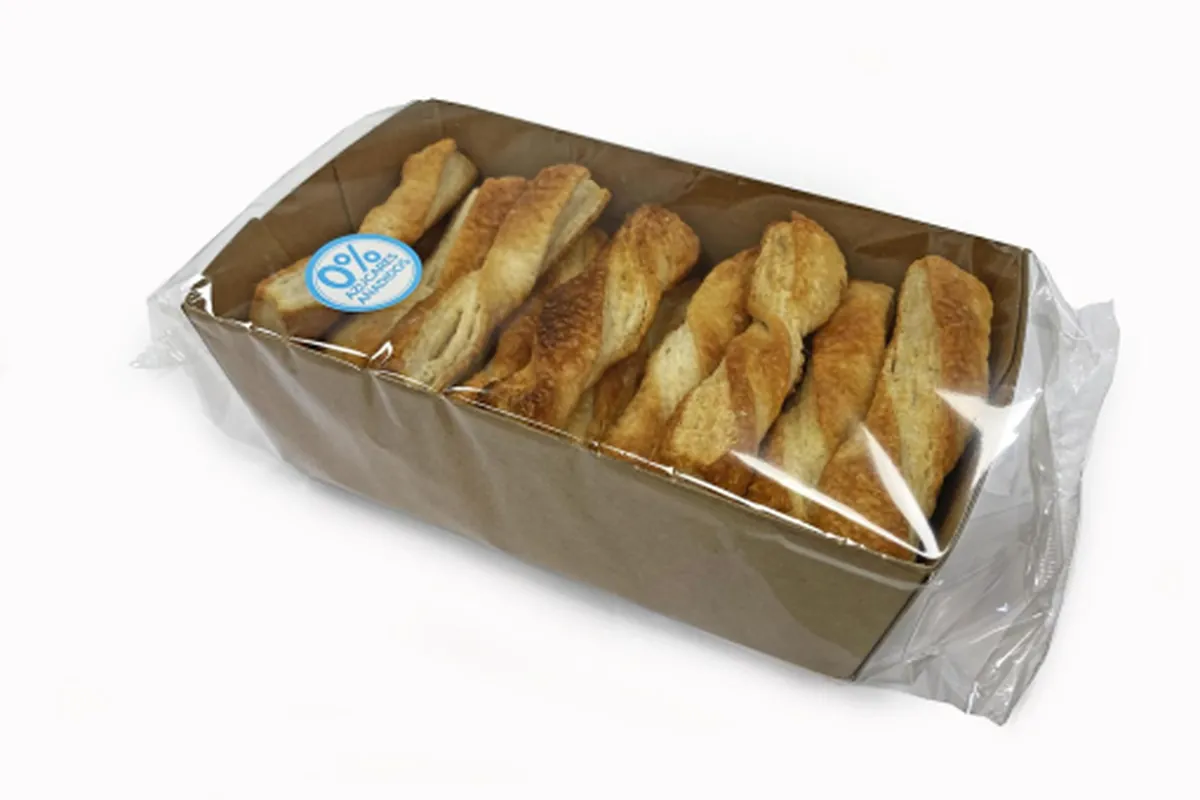 A Solidus spokesperson says solid board punnets provide product protection while helping bakery brands reduce plastic use (Image credit: Solidus).Developments in material innovation are raising questions about the effectiveness of some materials in ensuring this, with Coveris’ Killian and KP’s Guardado highlighting that incorrect material choices can lead to discarded waste.
“Sustainability also means addressing food waste,” says Killian. “Bakery products can be highly sensitive to moisture, oxygen, aroma loss, light exposure, and fat migration, making appropriate barrier performance critical to maintaining freshness and shelf life.”
As such, packaging innovations need to consider the environmental impact of packaging and the product it protects.
In addition, Guardado underscores these considerations need to be a part of the initial packaging specification.
“You can’t retrofit sustainable features into a product later by adding or removing elements, so the product’s protection requirements and shelf-life target have to dictate material selection, balanced alongside material efficiency and recycling.”
“Decisions should account for the food that could be wasted if protection is reduced.”
Responding to regulations
The Solidus spokesperson highlights the influence of regulations like the PPWR on bakery packaging.
“Bakery brands are increasingly seeking packaging solutions that support PPWR compliance, both now and in the lead-up to 2030. These solutions should reduce plastic consumption by offering recycled and recyclable cardboard alternatives, while guaranteeing the highest levels of food safety through certified manufacturing processes.”
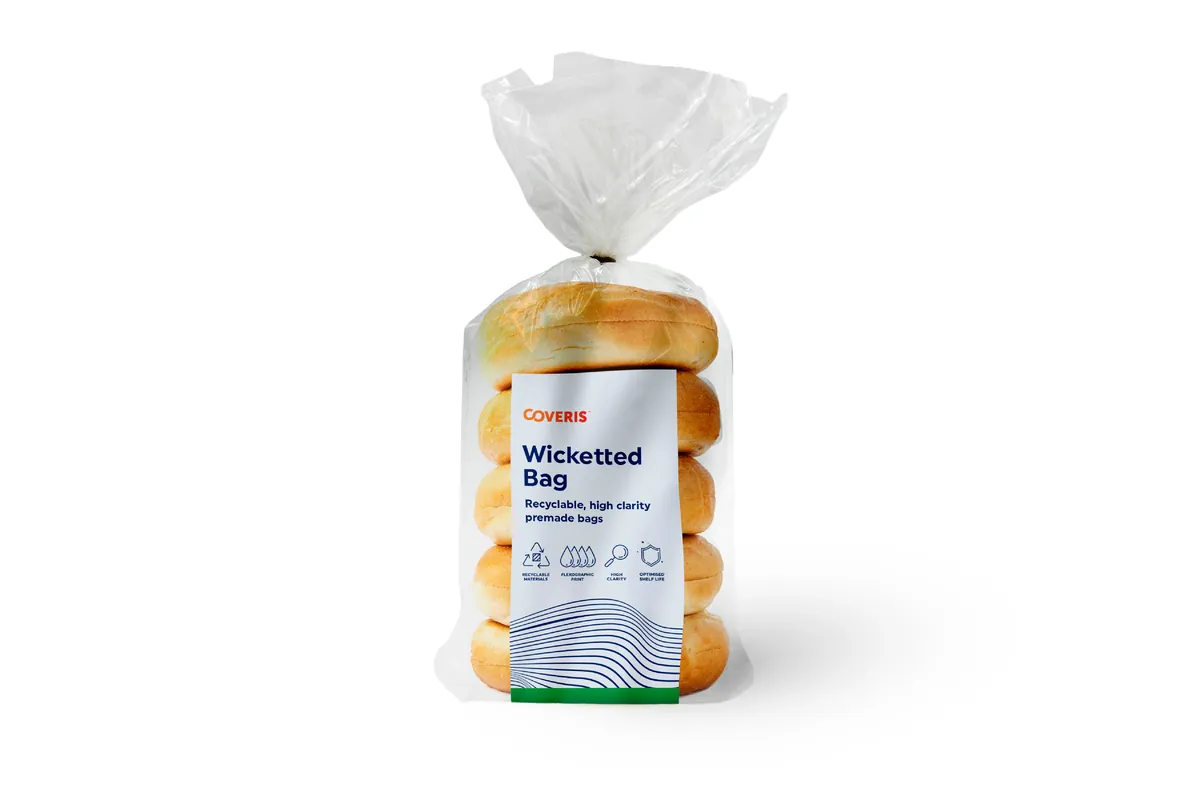 Killian says appropriate barrier performance is critical to maintaining bakery freshness and shelf life (Image credit: Coveris).However, the Solidus spokesperson notes that bakery solutions should enhance consumer engagement and maximize shelf presence.
“Visibly recyclable cardboard solutions communicate environmental responsibility, and premium formats simultaneously enhance shelf impact and strengthen brand differentiation,” adds the Solidus spokesperson. “The combination of sustainability, functionality, and visual appeal is becoming a decisive factor in influencing purchasing decisions.”
Coveris’ Killian also notes the impact of new chemical compliance regulations, such as PFAS and Bisphenol A.
Under the PPWR, new PFAS limits for food-contact packaging began applying from August 12, increasing the “importance of understanding the coatings, barriers, and substances used within packaging structures.”