




Packaging industry warns regulatory uncertainty is slowing circular innovation

Key takeaways
- Constantia Flexibles, LYB, and Syndigo warn that packaging regulations must balance circularity goals with product protection, affordability, and manufacturing efficiency.
- Regulatory uncertainty, fragmented requirements, and slow technological development are complicating packaging redesign and investment decisions.
- Industry experts call for clearer, harmonized, and flexible regulations that reduce compliance burdens while supporting measurable environmental outcomes.
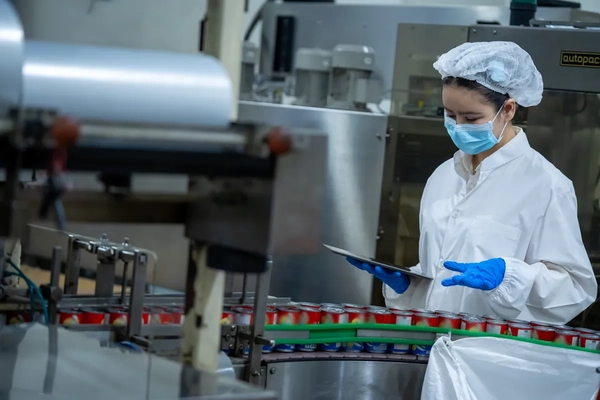
Regulations are pushing packagers to innovative solutions that can exist harmoniously in the circular economy. But industry leaders have highlighted that regulatory compliance can be burdensome and obfuscate packaging’s primary, protective function.
Regulatory changes to the packaging industry reflect a growing awareness of the impact of climate change, particularly the impact of packaging pollution and the extraction of raw materials on human and environmental health.
Against this backdrop, EPR legislation across the globe has increased, while the EU’s Packaging and Packaging Waste Regulation (PPWR) has imposed bloc-wide circularity measures. Additionally, many countries have banned, or are in the process of curbing, single-use plastics, with some regulators pushing for reusable systems.

To understand how the packaging industry is responding to regulatory developments, Packaging Insights speaks to Constantia Flexibles (Cflex), LyondellBasell (LYB), and Syndigo, exploring the tension between regulatory ambitions, packaging performance, and data collection targets.
“The biggest tension is that companies offering circular solutions to meet regulatory objectives must do so while maintaining product protection, affordability, consumer convenience, and manufacturing efficiency,” Al Pizzuti, LYB’s industry marketing manager, tells us.
Similarly, Anna Desrosiers, public affairs, advocacy and product compliance manager at Cflex, says regulatory requirements are changing how packaging is designed, but notes that it “has to do its job first.”
“[Packaging] has to protect the product, perform on the production line, withstand transport and storage, and meet the relevant safety requirements.”
“These [regulatory] changes are technically complex, particularly when several requirements need to be met at the same time,” she adds, noting that there are often technical trade-offs.
The experts also highlight regulatory bottlenecks such as compliance burdens, geographical fragmentation, and a lack of clarity.
Regulatory uncertainty
Tarun Chandrasekhar, president and chief product officer at Syndigo, a software and data service provider, says that unclear regulatory requirements can delay innovation investment.
.webp) Desrosiers says packaging regulations must balance circularity goals with product protection, safety, and technical feasibility.“If a company cannot establish what evidence will be accepted, committing to a redesign becomes harder. Regulators need to give businesses clear requirements and predictable timelines.”
That said, he notes that brands shouldn’t wait for every regulatory detail to be settled before preparing information they know they’ll need. “They can establish what their packaging contains, what it weighs, and where the supporting evidence lives now.”
Meanwhile, Pizzuti explains that regulatory uncertainty can “slow qualification, complicate investment decisions, and make scale-up more difficult.”
“Companies need enough clarity to determine whether a solution can operate at scale, meet performance requirements and support compliance across the markets they serve.”
More specifically, he argues that regulatory uncertainty can add “another variable” to packaging design technical qualifications, such as barrier and sealing innovations, or demonstrable compatibility with existing equipment — particularly if assessment methods differ among markets.
Are regulations outpacing innovation?
Implementation of regulations can be hindered by slow industry development, says Desrosiers.
“Clear regulations can support innovation because companies know what they are working toward and can invest accordingly. The difficulty comes when the regulatory requirements move faster than the standards, technologies, materials, or recycling infrastructure needed to meet them.”
She highlights that materials need to be tested, production processes adapted, and performance validated, which can take time.
.webp) Pizzuti warns that fragmented regulations across global markets can slow packaging innovation and complicate investment decisions.“When important technical details are still evolving, companies face the risk of investing in solutions they may have to change again.”
Desrosiers adds that companies are prepared to invest, but it’s vital to know if proposed technologies and materials will still meet regulatory requirements once detailed rules and standards are in place.
Meanwhile, Pizzuti says that regulatory implementation is hindered by geographical fragmentation.
“Requirements that differ across countries or regions can also add complexity for companies serving global markets. Greater consistency in definitions, assessment methods and implementation expectations would give companies more confidence that packaging investments can support multiple markets while respecting regional conditions.”
He adds that this is “particularly important” for flexible packaging innovation, where reducing materials and improving recyclability must be balanced with “the package’s fundamental role in protecting the product.”
Previously, Packaging Insights spoke to Pizzuti about regulatory fragmentation in the US and about the impact of politics on the packaging industry.
Reporting complexity
Regulations like the PPWR, EPR, and the EU’s Digital Product Passport require companies to collect data to evidence product claims.
Desrosiers explains that regulations require companies to carry out additional approvals or certifications before they can make the change to a packaging design.
“Regulation needs to take these technical and practical realities into account. The objectives behind the regulation are clear, but meeting an individual requirement does not necessarily tell us what the outcome will be in practice.”
For example, she highlights that this is important for highly regulated applications, such as pharmaceutical packaging, where approvals can take a long time.
Similarly, Syndigo’s Chandrasekhar says that as compliance requirements increase, there is risk of creating more reporting work without better evidence that a regulation is achieving its goals.
“People spend their time reconciling records instead of assessing the change,” he adds, noting that “compliance paperwork alone cannot tell us whether regulation is working.”
.webp) Chandrasekhar highlights how growing regulatory reporting requirements can create more paperwork without delivering measurable environmental improvements.He explains that, while brands are required to connect packaging claims to the correct product, supplier evidence, and packaging version, knowing the “environmental result” requires knowing how much packaging was sold and its end-of-life scenario.
Regulatory goals and packaging realities
The industry experts urge regulators to create flexible, clear regulations that understand the complexities of packaging production.
Pizzuti says: “Regulation should define the outcome to be achieved rather than prescribing a single material, technology, or packaging format. The practical solution will depend on the product, processing method, distribution environment, manufacturing equipment, consumer use, and available collection and recycling infrastructure.”
He adds that other priorities to improve the regulatory landscape include recognizing complementary technologies, aligning with global standards, holistically assessing the packaging system, and fostering market demand so that regulations can reach their full potential.
“Effective regulation should establish clear environmental outcomes while allowing companies to determine how best to meet them for different applications,” argues Pizzuti.
Cflex’s Desrosiers corroborates this, adding that packaging is not one-size-fits-all, “and regulation needs to recognize that.”
She underscores: “Regulation needs to provide clear requirements while leaving enough flexibility for companies to find technically workable solutions. Whatever changes we make, packaging still must fulfill its primary function: protecting the product safely and effectively.”
Chandrasekhar calls for a holistic approach, suggesting that regulations need to standardize information so that stakeholders can work from the same baseline.
“Packaging engineers, food safety specialists and procurement need to evaluate the same specifications and test results. Otherwise, each team can approve a different version of the proposed change.”
Meanwhile, he suggests that regulators can make verified information reusable wherever requirements overlap, to harmonize innovation efforts.
Chandrasekhar concludes: “The PPWR began applying in August and replaces fragmented national requirements with a common framework. Consistent definitions and reporting formats can reduce the work required to demonstrate the same packaging facts across markets.”