



Huhtamaki and Sappi face US lawsuit over alleged PFAS water contamination

Key takeaways
- A Maine water utility has filed a federal lawsuit against five paper and packaging companies over alleged PFAS contamination of drinking water sources.
- The utility seeks compensation for remediation costs after PFAS levels forced its Riverside Wells out of service in 2024.
- Huhtamaki and Sappi are reviewing the allegations, while the lawsuit highlights growing legal scrutiny of PFAS pollution linked to paper and packaging manufacturing.
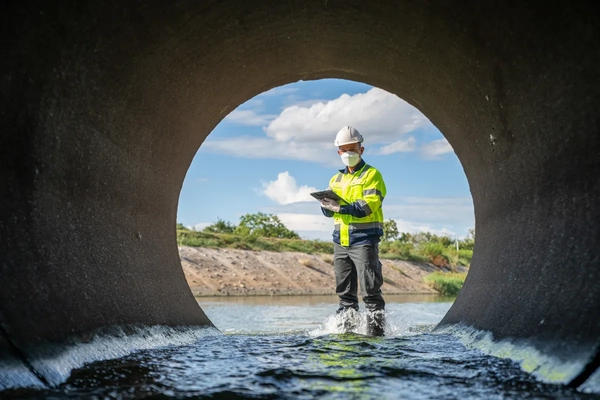
A district water utility in Maine, US, has filed a federal lawsuit against five paper, tissue, and packaging companies, including Huhtamaki and Sappi North America, for allegedly contaminating groundwater wells connected to the Kennebec River with PFAS.
Greater Augusta Utility District owns and operates a public drinking water system that supplies water to approximately 13,750 residents through 5,500 service connections in and around Augusta.
The defendants, which also include Kimberly-Clark, and the now-bankrupt entities American Tissue Corporation and the American Tissue Mills of Maine, operate (or operated) paper, paperboard, tissue, and packaging facilities upstream of where Greater Augusta Utility District sources its water from five groundwater wells connected to the Kennebec River.

In the lawsuit, the district water utility alleges that PFAS entered the river through manufacturing wastewater, stormwater, landfill leachate, and contaminated industrial sludge created during the production of paper, packaging, and tissue.
Packaging Insights speaks to the law firm representing Greater Augusta Utility District, as well as Huhtamaki and Sappi North America about the allegations and the potential environmental liabilities facing the paper and packaging industry.
 The lawsuit alleges that PFAS from paper, paperboard, and packaging manufacturing processes contaminated the Kennebec River in Maine, US.A spokesperson from Sappi North America tells us that it is currently reviewing the lawsuit.
“We remain in compliance with all applicable environmental regulations and our state and federal discharge permits, and do not knowingly use PFAS-containing materials in any of its products.”
Huhtamaki tells us it is also reviewing the allegations and “will respond through the legal process and defend our position in due course.”
Kimberly-Clark was also contacted for comment but had not responded at the time of publication.
Meanwhile, Hunter J. Shkolnik, partner at the litigation firm Napoli Shkolnik, tells us that “the evidence points to decades of industrial activity that released PFAS into the Kennebec River and ultimately threatened Augusta’s drinking water supply.”
In 2024, Greater Augusta Utility was forced to close its Riverside Wells due to high PFAS contamination levels. Since then, a filtration system has been added, with water service resuming this year.
Seeking recovery costs
In 2021, Greater Augusta Utility District analyzed levels of PFAS and other “forever chemicals” in its two Riverside Wells and in the Kennebec River, alleging that the results showed “nearly indistinguishable” chemical contamination.
The district water company is seeking financial recovery under the Comprehensive Environmental Response, Compensation, and Liability Act to recover the costs of responding to and remediating the contamination, rather than passing those expenses to water customers and taxpayers.
Sappi North America operates a mill near Skowhegan that manufactures solid bleached sulfate paperboard for packaging applications.
Huhtamaki operates a site in Waterville, north of Augusta, that manufactures molded fiber foodservice ware.
The lawsuit alleges the release of PFAS comes from the companies’ manufacturing processes, rather than any specific products manufactured by Sappi, Huhtamaki, or Kimberley-Clark.
PFAS and water contamination
 Greater Augusta Utility District is seeking to recover the costs of treating PFAS-contaminated drinking water.The lawsuit states that PFAS have been used in paper and paperboard manufacturing “for decades” in fluorochemical coatings and treatment of products due to their functional properties such as grease, oil, and water resistance.
It also says that, as paper manufacturing is a water-intensive process, PFAS can enter process water and wastewater. Between Skowhegan and Augusta, the Kennebec River flows past several existing and former paper mills that drew and returned water to the river.
“State environmental records document PFAS in industrial wastewater and waste streams, while testing has revealed nearly identical PFAS concentrations in the Kennebec River and the District’s drinking water wells,” argues Shkolnik.
“The connection between the river and [Greater Augusta Utility] wells is well established.”
Growing legal scrutiny
The lawsuit adds to growing consumer concerns over PFAS, as research increasingly links chemicals in this group to adverse effects on human health and the risks of PFAS migration into food.
Against this backdrop, FMCG and packaging companies in the US are facing a growing body of legal scrutiny regarding PFAS pollution and contamination.
In 2023, the US-based manufacturing giant 3M agreed to a payout of up to US$10.3 billion to provide public funding for water supplies contaminated with PFAS. A year later, civil society groups in the US launched a lawsuit against the country’s Environmental Protection Agency for failing its duty to prevent the production of hundreds of millions of plastic packaging pieces containing dangerous levels of PFAS.
Shkolnik concludes: “Our goal is straightforward: hold the responsible companies accountable and recover the full costs of treating and protecting Augusta’s drinking water, now and into the future.”
“The people of Augusta should not be left paying the price for decades of industrial pollution.”