





Fujifilm and Segede rethink materials and printing to boost resource efficiency

Key takeaways
- Fujifilm and Segede highlight material optimization, recycled content, and efficient printing as key routes to reducing packaging’s environmental footprint.
- Lightweighting should balance material reduction with functionality, recyclability, and production efficiency.
- Digital printing and stronger circularity enforcement can cut production waste, excess inventory, and leakage of valuable packaging materials.
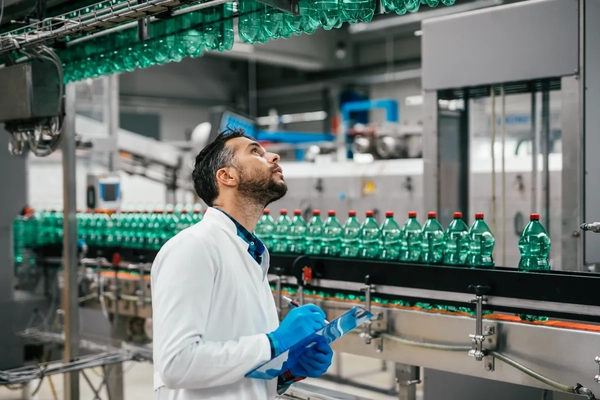
Concerns over raw material extraction, energy-intensive production, and weak regulatory compliance are fueling the packaging industry to develop more resource-efficient solutions.
Increasingly, producers and value chain players are innovating in material reduction solutions, streamlined printing processes, and greater use of recycled and renewable materials to combat the Earth’s increasingly fragile supply of finite resources that are used in packaging, such as fossil fuels, metals, and mineral raw materials.
Packaging Insights sits down with Fujifilm and Segede to explore how the luxury metal packaging and digital printing industry segments address regulatory and consumer demand for more energy- and material-efficient solutions.
“The core objective [of resource-efficient packaging] is to take a brand’s marketing brief and identify the most suitable material based on a three-part equation: minimizing carbon footprint, maximizing recycled content, and streamlining material volume to eliminate unnecessary weight in opulent designs,” says Claire Trescartes, executive manager for corporate social responsibility and export at Segede.
In digital printing processes, Tommy Segelberg, segment manager for Digital Packaging and Inkjet Business EMEA at Fujifilm, points out that water-based technology, short run times, and choice of inks can contribute to resource-efficient packaging.
“The Fujifilm Jet Press FP790 combines these benefits with water-based inkjet technology, enabling more efficient, demand-driven mainstream production with less waste, lower inventory levels, and potentially a smaller environmental footprint, without compromising quality or speed when production is properly optimized.”
Optimizing materials
Amid regulations like the EU’s Packaging and Packaging Waste Regulation (PPWR) and national EPR targets, lightweighting has become one avenue to use finite resources more efficiently.
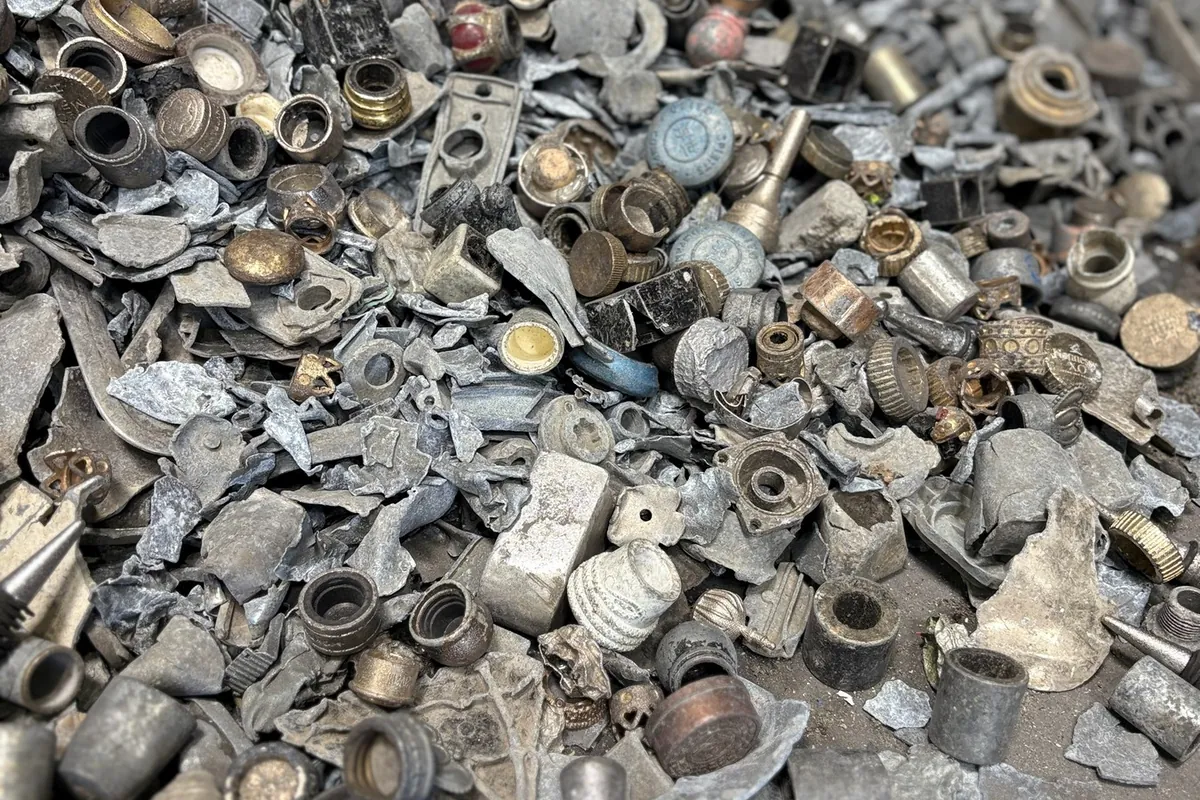 Trescartes says packaging optimization should reduce carbon footprint, maximize recycled content and remove unnecessary material weight (image credit: Segede).However, Trescartes says that minimization does not mean making every component of packaging “as thin and light as possible.”
Otherwise, she argues, “everything would be made of plastic,” which is at odds with the PPWR’s goal of “reducing the volume of single-use plastics in circulation.”
Rather, Trescartes suggests that minimization means optimizing the use of any given packaging material.
“For instance, if a perfume cap is made of zamak, the PPWR does not force a switch to a lighter or cheaper material just to reduce weight. Instead, it mandates optimizing the structural design so that excess material is removed where it doesn’t serve a functional purpose.”
Lightweighting innovations are also putting greater emphasis on the inks used in digital printing, Segelberg tells us. “Lighter, recyclable, and recycled-content materials can create several challenges for digital flexible packaging printing.”
These include print quality, material compatibility with the printer, heat sensitivity, recycled-content variability, barrier protection, and converting and durability.
He outlines that it’s challenging for printers to balance these features with high production speeds and food packaging compliance, and “without adding excessive energy consumption, chemicals, or material waste.”
Raw material extraction vs transport
Resource efficiency in the packaging process extends beyond material choice, with transport and raw material extraction also increasingly facing pressure to streamline processes.
In the metal and zamak industry, Trescartes says that transport is often “intuitively perceived” as the primary contributor to carbon emissions.
However, she argues that, based on LCAs, that is “factually incorrect.”
“The vast majority of emissions stem from primary raw material extraction and raw material transformation, followed by secondary manufacturing processes. Packaging, logistics, and shipping come far behind,” outlines Trescartes.
For example, she suggests that a high-grade alloy with 90% recycled content that is manufactured in Asia and shipped to Europe results in a “significantly lower” carbon footprint than manufacturing locally in France, for example, using entirely virgin material.
Digital printing’s efforts
Resource-efficient innovations in digital printing are centered on energy use and production costs while enabling shorter, more flexible print runs.
Segelberg says Fujifilm’s Jet Press FP790 helps reduce waste and pre-production steps as it has no plates, chemicals, ink waste, or solvents. Moreover, the press offers fast changeovers, consistent print quality, and high productivity and operational uptime.
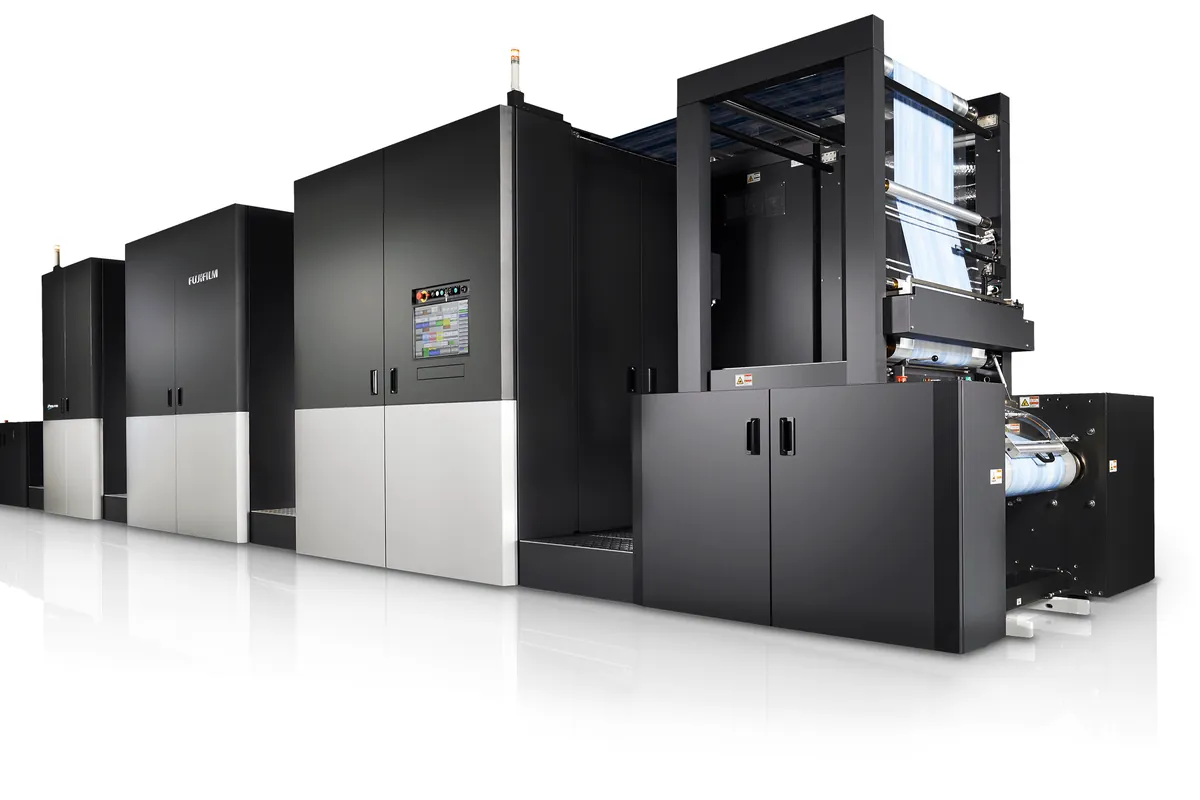 Segelberg says the Jet Press FP790 enables demand-driven production with less waste, lower inventory and fewer pre-production steps (image credit: Fujifilm).“This is why the press can deliver mainstream production — it combines the benefits of digital and traditional printing with gravure-quality output, and significantly improved sustainability,” he remarks.
Digital printing can also offer shorter printing runs and on-demand production, which improves resource efficiency by allowing converters to produce packaging closer to market demand, continues Segelberg.
He adds that shorter run times also reduce the need for minimum order quantities and can help prevent excess stock from “becoming obsolete.”
“An efficient workflow between designers, pre-press teams, and press operators plays an important role in achieving this. By improving control over print quality and ink consumption, converters can minimize substrate waste during setup, color matching, and changeovers.”
Segelberg reflects that smaller inventories mean less warehousing and fewer deliveries, giving converters greater flexibility to respond to changing customer demands.
Compliance an “essential catalyst”
As scientists warn that growing resource consumption is placing increasing pressure on finite materials, regulations in the packaging sector are attempting to streamline materials and processes. Yet, “material leakage” remains, with waste still ending in landfill or incineration.
Trescartes outlines two types of actors currently operating in the packaging sector.
“There are those who actively support circularity, sending their scrap and end-of-life materials to qualified processors. Then there are those who choose not to play by the rules because it feels easier or slightly more profitable to sell raw waste to an overseas refiner paying a premium.”
Trescartes’s solution is for public authorities and oversight bodies to act “not just as auditors, but as true facilitators” of regulations that promote resource efficiency.
“Public bodies must stop material leakage outside regional ecosystems and enforce the use of existing circular streams. Rather than just auditing and penalizing downstream actors, their role is to facilitate compliance at the source.”
“While strict regulatory mandates can feel aggressive, clear compliance deadlines are essential catalysts to drive innovation and force industry-wide progress,” she concludes.