

CCT enhances thermal protection with right-sized recyclable cold chain pack

Key takeaways
- CCT has redesigned a pharmaceutical cold chain shipping system to replace dry ice and expanded polystyrene with right-sized packaging.
- The solution combines paper-based thermal packaging with a curbside-recyclable, water-based refrigerant system.
- CCT says its LCA found the paper-based format had the lowest environmental impact among the options reviewed.
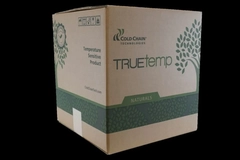 (Image credit: Cold Chain Technologies).
Cold Chain Technologies (CCT) has redesigned a temperature-controlled shipping solution to replace the dry ice-based approach with a paper-based and recyclable solution. The packaging innovation is said to support pharmaceutical packaging sustainability without compromising performance, patient experience, or operational efficiency.
CCT integrated packaging design, refrigerant selection, material evaluation, and lifecycle analysis. The thermal packaging solution provider observed through order-pattern analysis that 56% of shipments contained three cartons or fewer, with many customers ordering in predictable multiples.
In response, the company developed a size strategy for extra small, small, and medium shipments, which aims to cut unused space, strengthen freight efficiency, and lower material consumption.
Christopher McLaughlin, senior global marketing manager at CCT, says: “The final result shows how there is never a one-size-fits-all solution to pharmaceutical cold chain challenges. Our customer gained a more sustainable shipper, a better fit to its real shipment profiles, reduced dependence on hazardous materials, and a simpler end-user experience.”
“We demonstrate the value of bringing together right-size packaging design, refrigerant innovation, thermal engineering, and environmental assessment to solve complex life sciences distribution challenges.”
Reducing handling burden
The solution is engineered for a CCT’s customer whose previous packaging relied on dry ice and expanded polystyrene to protect the product. The company shares that handling dry ice can introduce safety and regulatory burdens.
CCT also assessed alternative insulation and refrigerant systems on thermal performance, operational usability, disposal experience, recyclability, and environmental impact, with a focus on reducing reliance on dry ice.
The new solution combines a paper-based thermal packaging format with a curbside-recyclable water-based refrigerant carton.
According to CCT’s LCA, the paper-based carton had the lowest environmental impact among options reviewed, and water-based refrigerant systems outperformed dry ice-based alternatives.
The result also demonstrates that the solution has made disposal simpler, with users emptying the refrigerant and placing the packaging into standard paper recycling.
Earlier this year, CCT expanded its reusable parcels for temperature-sensitive pharmaceuticals across Europe. The EcoFlex range is designed for regional and last-mile product distribution.
Meanwhile, Hydropac, a UK-based cold chain packaging manufacturer, launched an ice pack featuring a built-in freeze indicator that changes appearance once the pack has reached a specific freezing temperature.
Last year, UK-based start-up Aeropowder introduced its feather-based high-performance insulation packaging, PluumoPlus, for life science and healthcare product shipping. Packaging Insights spoke with Ryan Robinson, Aeropowder’s founder, about the innovation.