

CalRecycle lowers SB 54 plastic baseline as researchers flag reduction risks

Key takeaways
- CalRecycle sets California’s 2023 SB 54 baseline at 1.03 million tons of plastic and 222 billion components.
- The producer-reported tonnage figure is substantially below CalRecycle’s earlier modeled estimate of roughly 2.9 million tons.
- Researchers warn that a lower baseline could reduce the amount of plastic that producers must cut under SB 54.

CalRecycle has published the source reduction baseline number under SB 54, which determines the amount of single-use plastic packaging that producers will have to cut under EPR rules in California, US. The figure has previously divided industry, government, and researchers, who have each suggested different approaches to calculate the number.
Packaging Insights speaks to researchers at the Benioff Ocean Science Laboratory from University of California Santa Barbara (UCSB), US, to find out more about the updated figures and their implications for the state's plastic reduction targets.
CalRecycle, the state agency responsible for SB 54, has updated the 2023 baseline at 1.03 million tons of plastic material covered under the legislation and 222 billion plastic components, based on data reported by about half of participant producers.

“Unlike the original 2023 source reduction baseline, which CalRecycle established based on modeled values, the updated baseline uses data reported by producers. That difference contributed to discrepancies between the original and updated baselines,” states the agency.
It underscores that the updated baseline is specific to participant producers and will be used as the basis to “measure progress” toward achieving the source reduction requirements under SB 54.
The updated figure aligns with an industry assessment from the producer responsibility organization Circular Action Alliance (CAA) earlier this year, which put the figure at around 1.3 million tons of single-use plastic.
“CAA’s approach focuses on operational realities to develop actual implementable costs,” states the industry organization, which has previously highlighted that accurate producer data is essential to setting fees, planning source reduction, and measuring compliance.
 CalRecycle’s updated SB 54 baseline sets the starting point for California’s plastic reduction targets.However, researchers at the Benioff Ocean Science Laboratory from UCSB, reported a different source reduction baseline that corresponded to earlier CalRecycle estimates, which were partly based on landfill assessments rather than producer data.
The starting point for EPR
The figures establish the starting point against which California will measure SB 54’s required plastic reductions of 10% by 2027, 20% by 2030, and 25% by 2032. The numbers will also help assess the law’s recycling targets, which require 30% of plastic to be recycled by 2028, rising to 65% by 2032.
“The baseline decision is about determining how much plastic entered the California market in 2023, which then sets the bar for all the reductions required by SB 54,” Kyle Meisterling, project scientist at Benioff Ocean Science Laboratory at UCSB, tells Packaging Insights.
“When the legislation was drafted, the reduction in single-use plastic accounted for roughly half of the expected financial benefit of the law. If the baseline is set too low, producers will have less plastic to cut, and Californians won’t get the reductions the law calls for.”
CalRecycle states that the updated number “includes data from 2,127 producers of plastic covered material, accounting for about 50% of total participant producers.”
It adds that it will update the number annually to reflect producer reporting rates.
Industry outlier?
CalRecycle’s previous modeled estimate from 2024 indicated that about 2.9 million tons of plastic covered by SB 54 was used in California in 2023 — nearly three times its updated figure.
The researchers compared five different source reduction baseline estimates, adjusting for differences in scope and method. Their analysis found “estimates clustering near CalRecycle’s landfill-based number.”
 Researchers warn that a lower baseline could reduce the amount of plastic producers are required to cut.“We’ll probably never know exactly how much single-use plastic entered California’s market in 2023. But of the five estimates we compared, four put it at roughly 3 million tons or more,” says Meisterling.
“The outlier is the producers’ preliminary figure, which is less than half that.”
Douglas McCauley, director of the Benioff Ocean Science Laboratory at UCSB, tells us that, while research can help regulators, it is for the experts at CalRecycle to select the “best” source reduction baseline.
He says that it was “surprising” to learn of the producers’ lower number earlier this year but adds that there are “a multitude of potential reasons” for this.
“Our primary goal is to ensure that CalRecycle and California understand that if they choose the lower producer number instead of a number more in line with their own previous estimates, that it is likely that more plastic pollution will be generated in California,” adds McCauley.
“Our research team is not advocating for one method or baseline value over another. Our goal is to ensure all citizens and legislators understand with clarity and transparency the importance of this one number and what goes into determining it.”
Setting a precedent
California’s landmark SB 54 is being watched closely by industry and regulators in the US. As a patchwork of EPR’s continue to grow across the country, SB 54 has paved the way for other states to develop frameworks for packaging, according to some industry representatives. Meanwhile, SB 54 has raised questions about how baselines and reduction targets should be calculated.
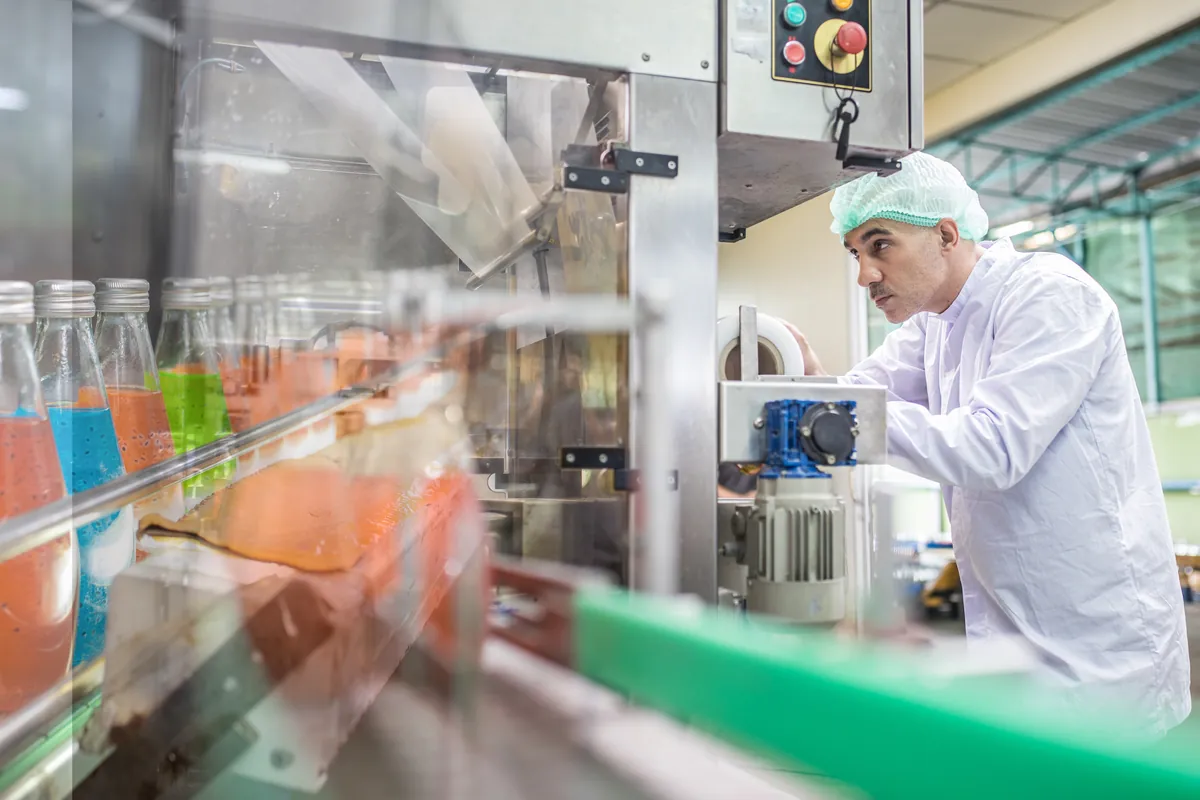 California’s SB 54 baseline debate highlights major differences between producer-reported and modeled plastic estimates.Geoffrey Inch, CAA’s senior vice president of producer services, says: “Producer registration and reporting data are critical to shaping California’s packaging EPR program plan, establishing the source reduction baseline, and guiding implementation.”
However, McCauley warns that setting a lower baseline “would set a precedent” that could result in less plastic being recycled.
Meanwhile, CalRecycle states that it “endeavors to publish an accurate and complete 2023 source reduction baseline that includes data from all participant producers.”
While the legislation in general continues to receive industry and environment pushback, CalRecycle previously told Packaging Insights that SB 54 is a "common-sense reform" modeled off successful programs in Europe, Canada, and other US states.