



Webinar preview: FoodChain ID to demonstrate practical PPWR compliance guide

Key takeaways
- FoodChain ID will demonstrate its PPWR compliance software and assessment approach during a free Packaging Insights webinar on November 17.
- The company highlights gaps in supplier declarations and testing, emphasizing the need for substantiated evidence and clearly defined responsibilities.
- FoodChain ID recommends mapping materials, suppliers, and regulatory requirements, supported by structured data, traceability, and digital compliance tools.

FoodChain ID will highlight its food packaging compliance solution targeting the EU’s Packaging and Packaging Waste Regulation (PPWR) in an upcoming webinar hosted by Packaging Insights, titled: “How to achieve PPWR compliance: A practical guide.”
During the webinar, packaging manufacturers and converters, brand owners, F&B manufacturers, retailers, importers, and other industry players can gain regulatory and supply-chain insight alongside a practical product demonstration.
Registration for the free webinar on November 17 at 3 PM CET is now open.
In particular, Vasilis Triantafyllidis, PPWR expert at FoodChain ID, will demonstrate a practical beverage-packaging scenario aiming to showcase how supply-chain interactions can create different compliance responsibilities and information needs.

Giving a sneak peek ahead of the webinar, Triantafyllidis tells us: “The demonstration will focus on how packaging compliance can be managed as an integrated process rather than as a series of disconnected checklists.”
“Attendees will see how supplier information can be collected and structured, how completeness and evidence gaps can be evaluated, and how information from individual materials and components can be consolidated through a bill of materials into a packaging-level compliance assessment.”
He explains that the system is designed to connect regulatory requirements with the information and evidence necessary to assess them.
The webinar will also illustrate the connection between FoodChain ID’s established Food Contact Materials compliance solution and the upcoming PPWR assessment module, using shared regulatory data to support two different compliance assessments.
“This connection helps reduce duplicate work and supports more consistent compliance documentation,” he adds.
Ahead of the webinar, Triantafyllidis shares some of the key PPWR compliance challenges facing packaging companies, offering a preview of the supply chain responsibilities, data requirements, and documentation processes that will be explored further during the session.
Compliance responsibilities and information
Vasilis Triantafyllidis, PPWR expert at FoodChain ID (Image credit: FoodChain ID).Ahead of the webinar, Triantafyllidis emphasizes that the biggest PPWR challenge for packaging companies is changing how compliance responsibilities and information are managed across the supply chain.
“For many years, companies have relied heavily on supplier declarations, often assuming that issuing a compliance statement transfers responsibility to the next operator,” he details. “We also see companies attempting to resolve uncertainties by simply requesting additional test reports.”
“However, neither a supplier's declaration nor an isolated test result constitutes definitive proof of compliance. Testing can provide valuable evidence, but it is only one element of a supplier's supporting technical documentation.”
In particular, he says that the significance of testing depends on underlying composition data, risk assessments, methodologies, and representativeness of the tested samples. “Without this context, a test result cannot automatically demonstrate compliance for all permitted formulations and manufacturing variations.”
“The fundamental principle is that assessments should take place where the necessary knowledge exists. Suppliers do not necessarily need to disclose their complete confidential dossiers, but they must communicate substantiated regulatory conclusions, including their scope and limitations, allowing downstream operators to verify and integrate that information into their own compliance assessments.”
During the webinar, Triantafyllidis will take this discussion further by demonstrating how these principles can be translated into operational processes, supported by FoodChain ID's regulatory expertise, Packaging Compliance software, and managed services.
Differing responsibilities
Further discussing the significance of companies’ changing obligations under the PPWR, Triantafyllidis says that the legislation creates different but interconnected responsibilities throughout supply chains.
“A key distinction is between the responsibility to ensure that packaging or packaging components comply with applicable requirements and the formal responsibility for demonstrating conformity of the final packaging,” he continues.
Meanwhile, packaging converters purchasing film to manufacture bags must assess the inputs and processes it introduces, while verifying the compliance information received from its film supplier, the expert adds.
“Finally, a brand owner filling and marketing packaged products may be considered a PPWR manufacturer. The owner must integrate the available evidence and demonstrate conformity of the final packaging, including the required technical documentation.”
Common gaps
The most common gaps Triantafyllidis sees in companies’ approaches to collecting packaging compliance information from suppliers is the focus on collecting declarations, “even unsubstantiated ones”, rather than understanding the evidence behind them.
“We regularly encounter statements such as ‘PFAS are not intentionally added’, ‘our product complies with PPWR’, or ‘the final manufacturer is responsible’. These statements may provide useful information, but they do not necessarily demonstrate compliance with the relevant legal requirements.”
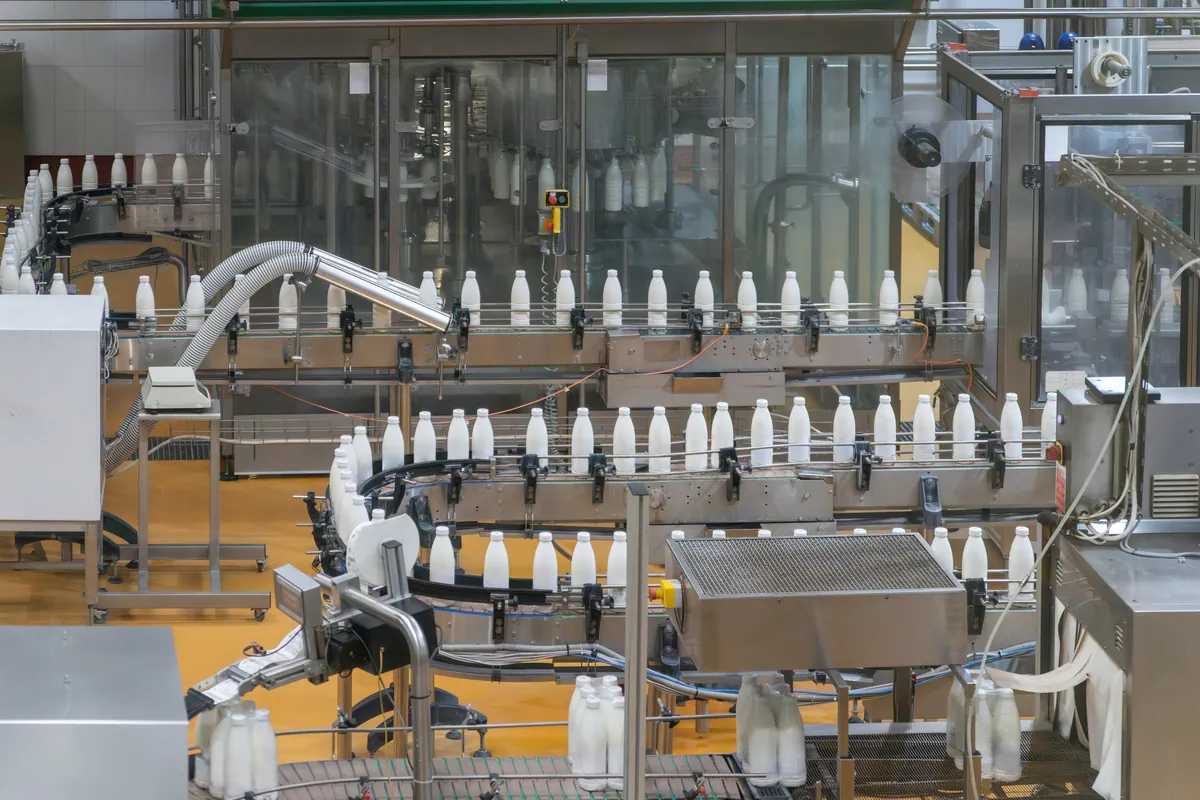 PPWR is changing how responsibilities are managed across the supply chain, argues Triantafyllidis.Another “significant” gap that Triantafyllidis spots is that suppliers do not always communicate the scope and limitations of their assessments, particularly when alternative raw materials or formulations are used.
For this reason, FoodChain ID distinguishes between receiving information, performing an assessment, and establishing a comprehensive regulatory conclusion. “Article 16 is central to ensuring that the necessary information and documentation can actually move through the supply chain.”
FoodChain ID explores this issue at length in its whitepaper “From Supplier Statements to Demonstrable PPWR Compliance”.
Supplier data
Triantafyllidis asserts that companies that want to turn supplier data into a defensible compliance conclusion should move away from treating supplier documentation as a collection of individual PDF files and instead build a structured evidence chain.
He shares that this process starts by identifying the applicable regulatory requirement and connecting it to the relevant packaging component, material, supplier, and substance information.
“Only then can a technical assessment be performed and a substantiated regulatory conclusion established,” he explains.
Here, traceability is an important aspect, according to Triantafyllidis.
“This approach also allows assessments to be reused across multiple packaging products where the underlying materials and conditions remain within the assessed scope.”
“Ultimately, a defensible compliance conclusion is not defined by the number of documents collected, but by the quality and traceability of the assessment supporting it.”
Practical steps to prepare
Companies preparing their PPWR compliance processes first need to recognize that the legislation is already applicable, Triantafyllidis highlights. Thus, stakeholders need to move from regulatory awareness to operational implementation, he adds.
 FoodChain ID will demonstrate how its digital compliance tools help companies navigate PPWR requirements.“I would recommend starting with a clear mapping of packaging products, components, materials and suppliers, together with the regulatory requirements applicable at each level.”
Next, review existing supplier documentation and identify whether it contains sufficient information to support the required assessments, Triantafyllidis continues. “Importantly, distinguish between missing information, missing assessments, and missing supporting evidence. These are different problems requiring different solutions.”
Digital compliance tools
Lastly, Triantafyllidis says that digital tools can help companies manage their interconnected responsibilities by connecting information that is scattered across suppliers, departments, documents, and packaging specifications.
“A structured compliance platform can link raw materials and packaging components to their suppliers, compositional information, applicable regulatory requirements, and supporting evidence. This allows companies to identify information gaps, carry out assessments, and consolidate the results at the final packaging level.”
“An important opportunity is the connection between food-contact compliance and PPWR. Both frameworks rely heavily on composition and substance information, although their regulatory assessments and conclusions are different.”
FoodChain ID is building on its existing Food Contact Materials compliance solution by introducing a dedicated PPWR assessment module, Triantafyllidis notes. “Both modules will use a shared regulatory data source, while maintaining separate assessments for the two legal frameworks.”
“However, technology alone cannot solve missing upstream information. Digital tools must be combined with supplier engagement, regulatory expertise, and effective compliance processes.”
Tune into the upcoming webinar with Packaging Insights to see FoodChain ID demonstrate how its digital compliance capabilities can help companies navigate PPWR requirements in practice.