




Returnity provides US retailer with reusable packaging to modernize backrooms

Key takeaways
- Returnity has deployed more than 100,000 units of its reusable The Last Box system with a US retailer, supporting multichannel retail operations.
- The solution is designed to modernize retail backrooms while reducing packaging waste.
- The system supports circular packaging adoption across different store formats and workflows.
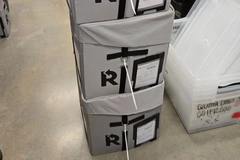
Returnity has provided The Last Box, a reusable packaging solution, to a US retailer, deploying over 100,000 units within recent months. The solution aims to support the retailer in leveraging physical stores for multichannel commerce while improving inventory accuracy, fulfillment flow, and operational efficiency.
The Last Box is said to replace disposable cardboard and other outdated packaging never intended for modern retail with containers developed to cycle through distribution centers and stores across key workflows.
According to Returnity, the solution can be used across different stages of store operations, supporting inbound deliveries, internal transfers, order staging, and restocking, while cutting packaging waste and maintaining durability.
Michael Newman, CEO at Returnity, tells Packaging Insights: “Retail backrooms weren’t built to be fulfillment centers, but they are already functioning as operational hubs. Today, they support e-commerce returns, store-to-store inventory balancing, deployment of new stock, and online order picking and packing, all while associates are expected to spend the majority of their time on the sales floor.”
“Compensation and performance metrics often reinforce this priority, which means backroom processes must be fast, flexible, and intuitive. However, many retailers still rely on tools that were built for static storage rather than dynamic operations.”
 Michael Newman, CEO at Returnity.“The Last Box reframes the backroom by functioning as a reusable operational system rather than a temporary container. It collapses flat when not in use, stacks securely, can be loaded from multiple orientations, and can incorporate clear tops for quick visual identification.”
Bridging operational gaps
As multiple retailers pilot the solution to support a shift toward circular systems, Newman says that packaging decisions are often made at the corporate or distribution level, while store teams bear the operational impact.
“Many retailers have added new responsibilities to stores in layers over time. Stores are asked to pick and pack online orders, serve as e-commerce returns hubs, rebalance inventory across locations, and support new fulfillment programs, often without a unified redesign of backroom operations or tools. This creates complexity and increases labor pressure without improving efficiency.”
He also points out that the shift from disposable packaging to reusable assets requires upfront investment and alignment across teams.
“Organizational silos can further complicate adoption, as costs may be assigned to one department while benefits such as labor efficiency, waste reduction, and operational flexibility are realized across many. Returnity addresses these challenges by working with cross-functional stakeholders to evaluate how reusable systems support multiple workstreams simultaneously.”
“By focusing on how The Last Box reduces friction across layered store requirements, Returnity helps retailers align incentives, demonstrate operational value, and scale circular systems across diverse store formats and workflows,” Newman concludes.