


Securikett expands label functionality with sealing, security and digital integration


Key takeaways
- Securikett’s multifunctional label combines sealing, tamper evidence, authentication, and digital capabilities, replacing conventional heat sealing.
- Its Codikett platform connects serialized labels with production, logistics, and enterprise data, providing a bridge between physical packaging and DPPs.
- Securikett says DPP adoption challenges increasingly center on data governance, interoperability, and durable code implementation.

Packaging labels are increasingly becoming the interface between physical products and digital information, extending their role to include sealing, authentication, traceability, and secure data management. Packaging Insights meets with Securikett to explore the digital transformation of labels amid tightening regulations.
Securikett is responding to this trend with a multifunctional label that replaces heat sealing while integrating security technologies and digital capabilities into a single solution.
The multifunctional label is said to integrate structured adhesive coatings, Void technology, silicone coatings, and custom die-cutting to provide tamper evidence, functionality, and regulatory compliance.
The sealing mechanism uses a label to secure the tray without the need for a welded lid, outlines the Austrian provider of tamper-evident security labels and digital product verification. The Void effect makes unauthorized openings “immediately” visible, the company adds, while also allowing the integration of features such as ventilation holes or viewing windows directly on the label.

Securikett shares that the application is fully compatible with automated labeling or dispensing systems to enable faster processing and reduce machinery and operational costs compared to heat-sealing equipment.
Vanessa Mitterer-Kling, head of R&D at Securikett, says: “We have combined multiple technologies so that they work together within a single label. This creates a packaging solution that is not only tamper-evident but can also be efficiently integrated into existing production processes.”
Multipurpose labeling
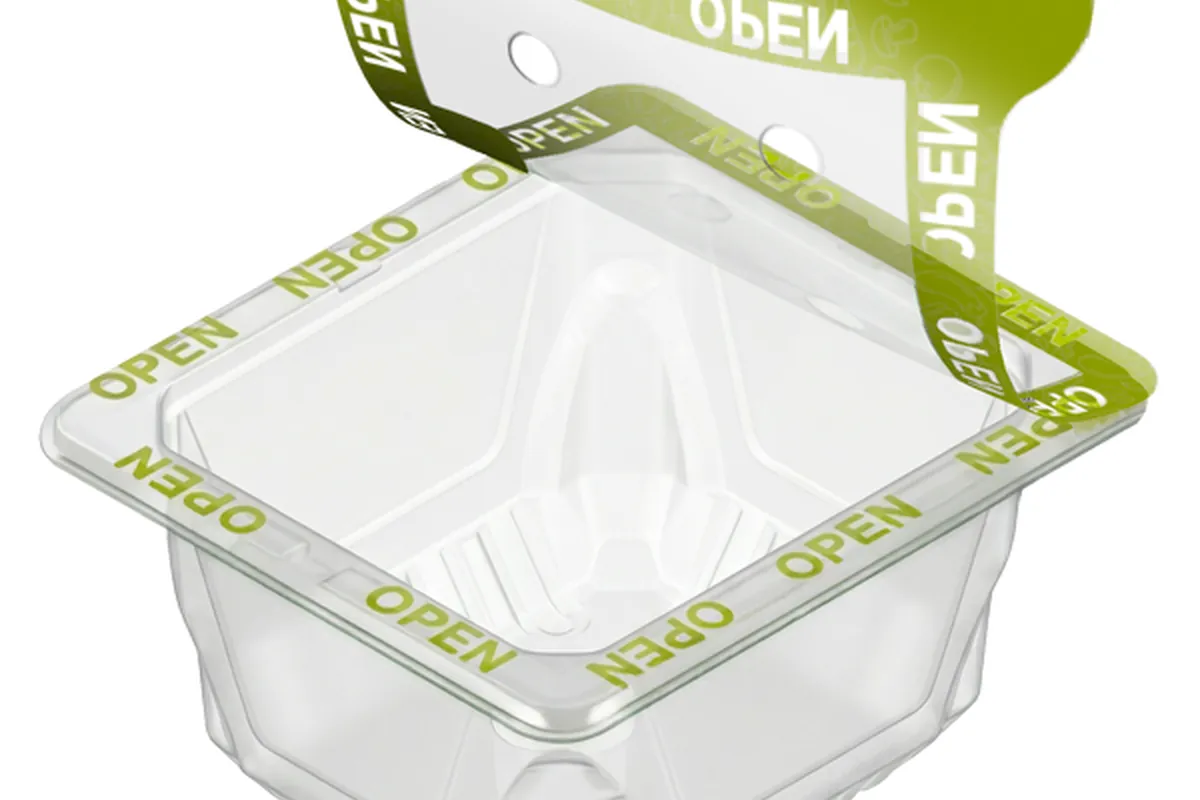 Securikett label for secure tray closure without heat sealing (Image credit: Securikett).The launch reflects a broader shift toward labels performing multiple roles, including sealing and tamper evidence, but also authentication and digital connectivity.
Speaking to Packaging Insights, a company spokesperson highlights Securikett’s Codikett platform, which is said to act as a code hub that connects different systems and data sources without requiring companies to replace or fully standardize their existing IT landscape.
“Codikett can generate and route unique codes, manage role-based access and scan contexts, and connect production and logistics processes. Master data can remain in the existing source systems while being presented consistently through interfaces.”
“Where required, these can be combined with tamper-evident and authentication features. We therefore see our role as building a reliable bridge between the physical product, its packaging, and the associated digital information.”
The spokesperson further highlights how Securikett is supporting its clients affected by the EU’s Digital Product Passport (DPP). The European Commission recently introduced a DPP Registry and testing environment to support data-sharing and transparency for packaging companies.
“We provide the physical connection to the DPP through serialized labels and secure data carriers. We also encourage clients to begin with a clearly defined pilot involving a real product, real data, and actual packaging. This allows technical, organizational, and user-experience questions to be addressed before regulatory deadlines create unnecessary time pressure,” Securikett’s spokesperson elaborates.
DPP physical access point
Securikett highlights that the launch of the DPP Registry is a “significant” milestone moving DPP from a regulatory concept toward an operational system. The spokesperson says that the Registry provides the common EU-level infrastructure for registering unique product identifiers and associated metadata.
“It does not centrally store all detailed product data; this information remains with the economic operator or an authorized DPP service provider.”
“For the packaging industry, this is particularly important because packaging and labels often provide the physical access point to the passport. Data carriers such as QR codes must therefore be integrated into packaging design, printing, quality control, and production processes. They must remain readable, reliable, and securely connected to the correct digital product information.”
According to the spokesperson, there are some challenges to DPP compliance, although these are organizational rather than technological. “Many of the necessary technologies already exist, including unique identification, digital platforms, and interfaces to enterprise systems.”
“However, many companies still lack clean, consistent, and well-governed master data across their historically developed IT environments. Scaling also requires clear responsibilities, interoperable systems, role-based access rights, and reliable processes for keeping information accurate throughout the product lifecycle.”
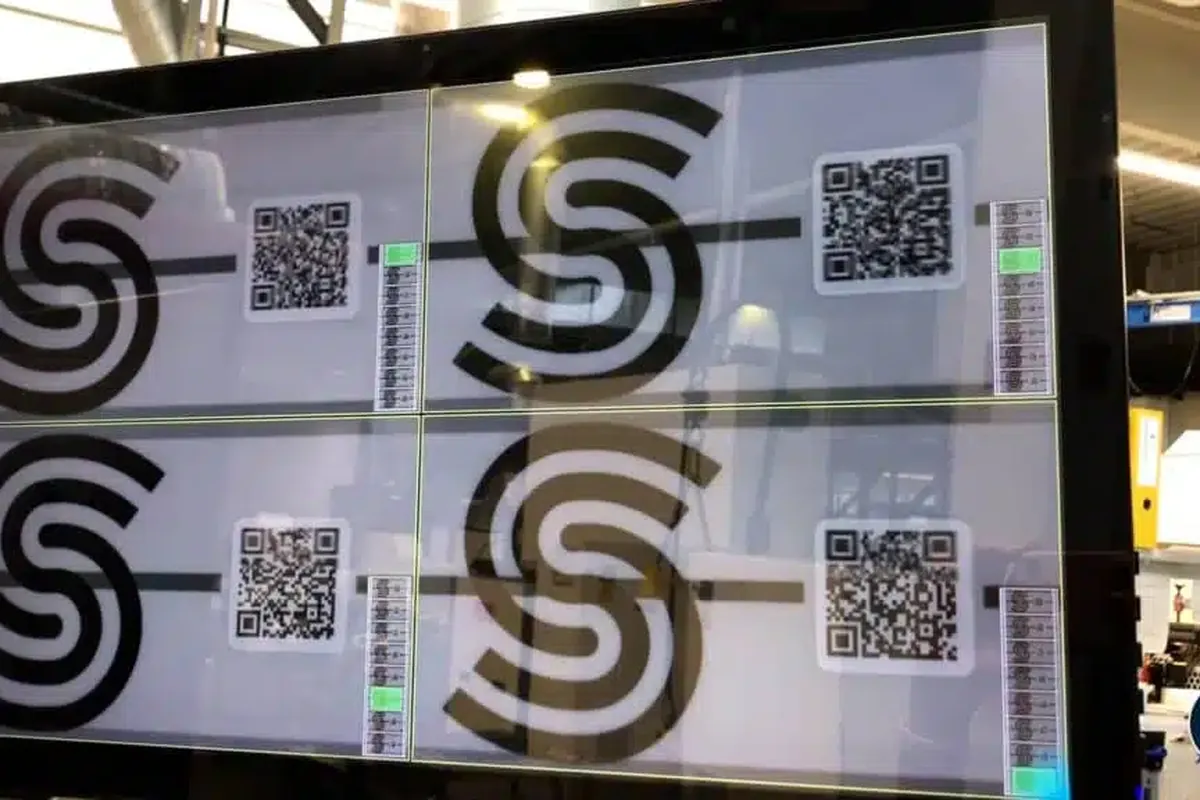 Securikett offers variable data printing for QR code labels and stickers (Image credit: Securikett).Companies must determine which information is public, which is restricted, and how updates are managed over many years, the spokesperson highlights.
Tackling printing hurdles
A further challenge is the physical implementation of DPP, according to Securikett, as codes need to remain readable despite abrasion, ultraviolet exposure, moisture, and mechanical stress.
“Variable printing and serialization require stable print quality and defined verification processes. Where authenticity matters, a standard copyable QR code is not sufficient; secure identities, verification mechanisms, and tamper-evident features may be necessary.”
Meanwhile, standards and product-specific requirements are still evolving. The company spokesperson argues that companies should therefore design flexible systems based on interoperability and open standards rather than waiting for final details.
Industries driving demand
The strongest near-term demand for DPP-ready packaging solutions is coming from industries that are closest to concrete regulatory deadlines or already have advanced traceability requirements, explains Securikett’s spokesperson.
“Batteries are currently leading because DPPs will become mandatory for certain battery categories in February 2027. Other priority areas include iron and steel, textiles and apparel, and construction products.”
“We are also seeing strong interest from luxury goods and other branded consumer products. In these sectors, companies are not only preparing for compliance. They are also interested in authentication, provenance, grey-market detection, consumer engagement, and the ability to provide verified sustainability information.”
The key factors influencing demand, according to the company, include regulatory timelines, as well as the commercial value of trusted product identities and traceability.
“Implementation will take place progressively by product group. Nevertheless, the Registry makes it clear that companies should now move from observation to practical preparation.”