


Starbucks removes disposable straws from Singapore condiment bars


Key takeaways
- Starbucks Singapore has omitted straws from its condiment bars, shifting to sip-through lids and reusable in-store cups.
- The company still offers compostable straws on request and recently introduced reusable straws to encourage reduced single-use consumption.
- Across Asia, Starbucks continues to test and roll out alternatives, such as sugarcane-based straws in Korea and plant-based options in Japan.
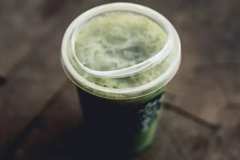
Starbucks Singapore has omitted straws at its condiment bars for its iced beverages, which instead are served in reusable for-here cups or with sip-through lids.
The move was announced on Earth Day 2026. Starbucks Singapore says that biodegradable, compostable straws made from crystallized polylactic acid will remain available in stores upon request.
“We’re continually committed to making resource-positive choices. Recyclable, strawless lids are another step in our journey to reduce our environmental footprint,” says the global coffeehouse chain.
Last month, Starbucks Singapore introduced reusable straws paired with straw covers. The solution is designed to encourage consumers to move away from single-use straws.
Advancing sustainability in Asian markets
Starbucks has continued to advance sustainable alternatives across Asian markets. This week, Starbucks Singapore also launched Metallic Reusable Bags, designed to support urban lifestyles, including carrying on-the-go F&B items.

Last year, Starbucks Korea introduced straws made from sugarcane in a pilot program targeting stores near hospitals and residential areas. It aimed to support vulnerable users who may experience difficulty using paper straws.
The coffee chain also rolled out biodegradable, plant-based straws in all its stores across Japan.
Starbucks China previously unveiled reusable cups made from recycled, eco-friendly materials. The material is produced using coffee grounds collected and recycled from Starbucks stores in China, with coffee grounds making up more than 30% of the material.