



UK government exempts hospitality glass packaging from pEPR fees

Key takeaways
- The UK government will exempt glass beverage containers supplied directly to hospitality venues from pEPR fees starting April 2027.
- The changes aim to prevent double charging and reduce fees for highly recyclable materials such as glass and paper.
- British Glass and hospitality associations welcome the reforms after industry criticism of weight-based fees that disadvantage heavier recyclable packaging.
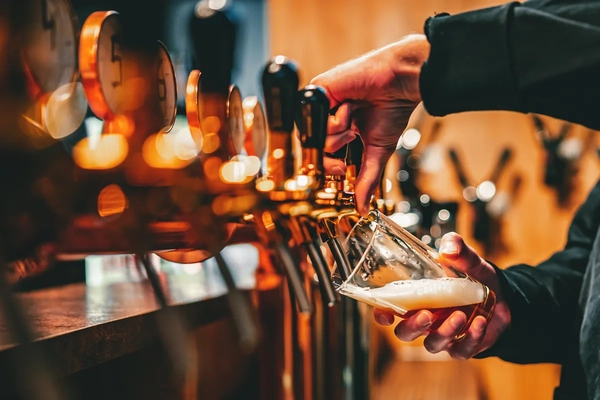
The UK government has announced that glass beverage containers sold directly from producers to pubs, restaurants, and other licensed hospitality venues will be exempt from packaging EPR (pEPR) fees from April 2027.
The Department for Environment, Food & Rural Affairs (Defra) says that the measures aim to ensure that hospitality establishments “get a fairer deal” in fees associated with the disposal of packaging and waste.
Under the new measure, businesses can also consult on their fees, so that easier-to-recycle materials like glass and paper will cost less, while harder-to-recycle packaging materials, like certain plastics, will cost more.
The decision comes after months of industry outcry over the treatment of glass under pEPR, which they argue unfairly penalizes glass for its heavy weight, despite its circularity.

“We’ve listened to industry and hospitality businesses and are stepping in to reduce the fees for the most recyclable packaging, including tackling double charging on glass bought by pubs,” says Dame Angela Eagle, UK Secretary of Defra.
“This government is committed to supporting British business and these changes back the glass industry and pubs while making sure we’re all doing our bit to reduce waste.”
According to the government, eliminating double charging for recycling the same packaging could save businesses up to 6p (US$0.08) per beer bottle and 10p (US$0.13) per wine bottle.
It says that for a pub selling 10,000 beer bottles and 3,700 wine bottles, this could save up to £870 (US$1,155) annually.
The government says it remains committed to pEPR, but recognizes that the legislation “must operate fairly and not disproportionately impact” some hospitality businesses.
Industry response
Executive director of British Glass, Nick Kirk, says that British Glass welcomes the announcement, which has given confidence to UK manufacturers.
“The measures outlined are a positive step toward ensuring that highly recyclable materials such as glass are properly recognized within the system, while also benefiting other recyclable materials including metal and paper.”
The soft drink and hospitality sectors have also welcomed the update, with British Soft Drinks Association director general, Andy Bagnall, stating that unfair allocation of pEPR costs “undermines” its effectiveness.
Meanwhile, Emma McClarkin, chief executive of the British Beer and Pub Association, says there will be “relief” across the beer and pub sector.
“The direction of travel will be warmly welcomed, but it is essential that the long-term cumulative impact of the UK’s packaging policies is taken into consideration if we are to have a prosperous beer and pub sector in every postcode,” she concludes.
pEPR concerns
In a previous conversation with Packaging Insights, Kirk told us that “the current pEPR fee structure unintentionally favors lightweight, less recyclable materials by penalizing heavier, infinitely recyclable options such as glass.”
The UK pEPR has come under scrutiny from other packaging industry players, who raise concerns over cost, clarity, and sustainable material innovation.
Colpac and the Alliance for Fibre-Based Packaging previously argued that weight-based fees could encourage a shift toward plastic packaging, despite investments in recyclable fiber alternatives.
Meanwhile, Aquapak’s chief technology officer, Dr John Williams, told Packaging Insights that pEPR lacks clarity due to changes in definitions and shifts in guidance.