
US Plastics Pact removes EPS transport packaging from problematic list

Key takeaways
- The USPP has removed EPS transport packaging from its Problematic and Unnecessary Materials List.
- The decision follows evidence that EPS transport packaging has achieved a recycling rate of approximately 30% or higher.
- USPP says the packaging format’s commercial collection channels and established recycling infrastructure support its circularity potential.
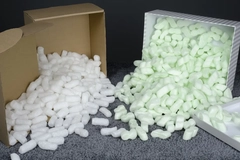
The US Plastics Pact (USPP) has removed expanded polystyrene (EPS) transport packaging from its Problematic and Unnecessary Materials List, recognizing the material’s recyclability.
“After reviewing the available data and supporting information, the USPP working group (or ‘workstream’) tasked with evaluating the list determined that evidence indicates that this packaging format has achieved a recycling rate of approximately 30% or higher,” the USPP says.
The US-based packaging circularity initiative was launched by The Recycling Partnership and the World Wildlife Fund (WWF) and works alongside industry representatives and relevant US governmental bodies. Its Problematic and Unnecessary Materials List is a voluntary, industry-led effort.
“[EPS transport packaging recycling rate] meets the threshold established under Criterion One of USPP’s Decision Tree for evaluating materials on the list,” the organization continues.
USPP highlights that the decision applies only to EPS transport packaging and not EPS or polystyrene (PS) broadly. The move comes as US states and countries around the globe are introducing legislations to limit EPS use for food-contact applications, due to microplastics pollution considerations. For example, California and Oregon advanced their plastic foam bans in 2025 and Ghana is set to ban PS use in foodservice packaging in 2027.
Why EPS works for transport packs
USPP explains that transport packaging made from EPS stands out when compared to other types of EPS-based solutions, including EPS foodservice packaging, in ways that make it more likely to be recycled.
“EPS transport packaging moves through the system differently than many other EPS products. Much of it remains within commercial distribution channels or accompanies products delivered to consumers, creating opportunities for collection and aggregation outside of traditional municipal curbside recycling programs,” the USPP states.
USPP describes the EPS transport packaging industry’s progress in advancing material circularity as “encouraging.” The organization says its progress demonstrates approaches that could facilitate recyclability and reuse in other material categories.
“Building strong end markets through greater use of post-consumer recycled content can create incentives for collection and recycling. Investing in infrastructure that addresses material-specific barriers — such as densification to make EPS transportation more efficient — can help improve collection economics,” the statement reads.
”Consistent data collection and measurement are essential to tracking progress, understanding what is working, and identifying where additional interventions are needed.”
Additional evaluations incoming
There is more that the industry can do to further boost EPS recycling rates, the USPP notes, “but this progress demonstrates that focused interventions can change outcomes.”
“We encourage continued collaboration among suppliers, users, and recyclers to build on and scale strategies that have proven successful.”
USPP’s announcement is one aspect of a broader, ongoing review of the Problematic and Unnecessary Materials list. The USPP workstream is also evaluating other materials featured on the list and might release additional recommendations as a result.
“This update reflects how USPP’s Problematic and Unnecessary Materials process is intended to work,” the organization explains. “The list provides a framework for identifying packaging materials that present significant challenges, while allowing them to be reassessed as systems, markets, and outcomes change.”
In other industry-related news, Müller recently added 30% recycled PS to its dairy cups with Ineos and Optipack, and Ineos Styrolution created bio-attributed PS for food packaging use in Japan.