


Sealed Air and Yangi: Fiber trays & flexibles reshape protein packs amid regulatory pressures

Key takeaways
- Sealed Air and Yangi say protein packaging innovation is shifting toward formats that combine sustainability, barrier performance, affordability, and industrial scalability.
- Fiber-based trays, including Yangi’s dry-formed Cellera range, are gaining momentum as brands seek alternatives that can perform in fresh protein applications.
- Flexible high-barrier formats and stand-up pouches are reshaping meat and plant-based protein packaging.

Protein packaging is undergoing a material, design, and barrier transformation as the industry recognizes sustainability as no longer an aspiration, but a requirement.
To understand the latest innovations and trends in the category, Packaging Insights speaks to Sealed Air and Yangi, and draws on data from Innova Market Insights.
“The most consequential innovation in protein tray packaging right now is not a new material in isolation; it is the convergence of renewable materials, genuine barrier performance, and industrial-scale manufacturability in a single format,” Hanna Rüdel, chief commercial officer at Yangi, tells us.
Innova Market Insights’ data reveals a 2% increase in meat and dairy launches globally between April 2021 and March 2026, with Europe leading the launches. Regulatory requirements and high raw material costs are shaping protein packaging decisions.
Samantha Murphy, strategic marketing manager EMEA, at Sealed Air, says: “Regulatory requirements, like the Packaging and Packaging Waste Regulation (PPWR), and consumer demand for more eco-conscious products, are driving strong interest in sustainable protein packaging innovations.”
“However, demand is being held back by rising operating costs and tighter margins. The challenge when it comes to changing packaging is managing the impact on retail selling prices, especially in price-sensitive markets where raw material prices are high and volatile.”
Yangi and Sealed Air say they aim to strike a balance between affordability, shelf life, sustainability, and consumer convenience. This can often involve trade-offs, with 69% of consumers globally saying that packaging is important when they buy meat products, according to Innova Market Insights.
Fiber-based trays
For Yangi, protein packaging innovation is linked to the rise of fiber-based packaging. Rüdel says that fiber-based options have been discussed for years, with early iterations featuring laminated paperboard.
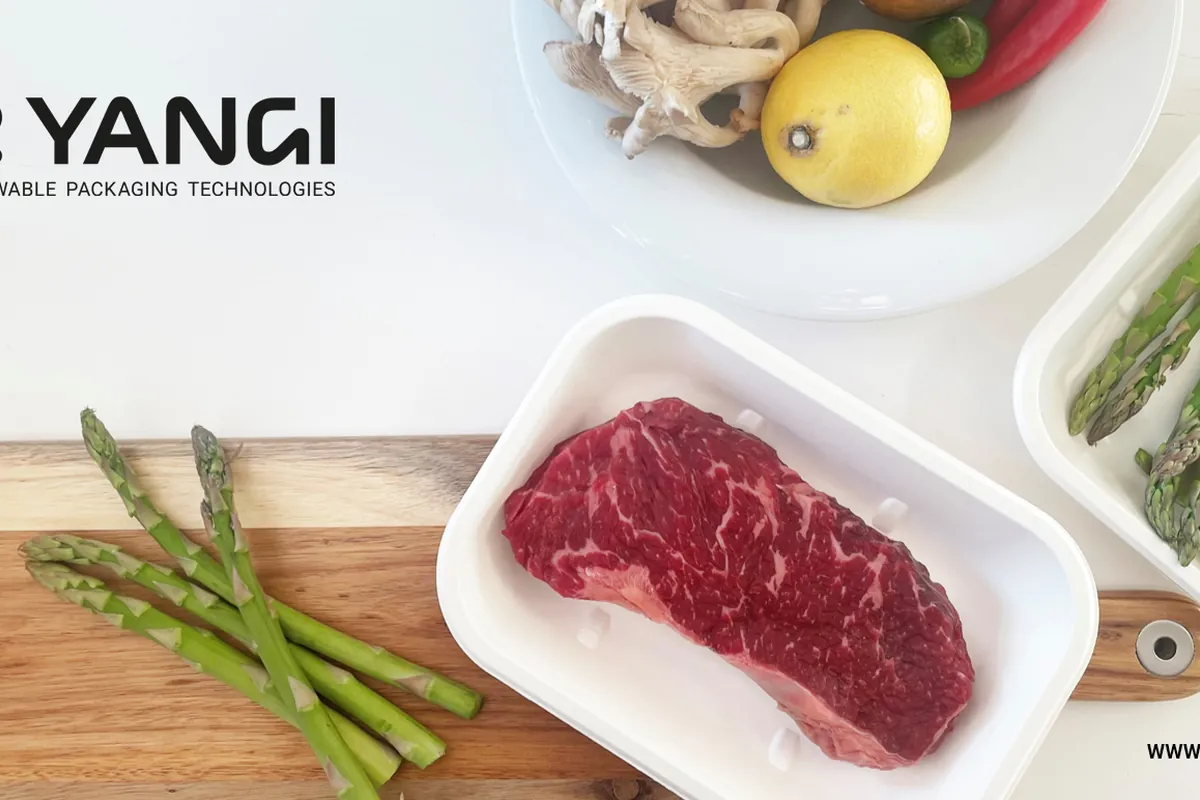 Yangi’s Cellera range features dry-formed fiber and combines airlaid fiber technology with 3D thermoforming, eliminating the wet pulp stage.According to Innova Market Insights, there was a 139% CAGR growth in molded fiber packaging launches for meat, meat and dairy, and their alternatives globally from April 2021 to March 2026.
Wet-molded fiber is one way to achieve fiber-based packaging, and it has gained some industry intrigue, but Rüdel says that the innovation was shown to have “significant limitations in surface quality, dimensional precision, and throughput.”
Yangi’s Cellera range features dry-formed fiber, which combines airlaid fiber technology with 3D thermoforming, eliminating the wet pulp stage.
“It is a fully integrated dry forming system with 4.3-second cycle times (product-dependent), precision dual-drum airlaid formation,” she adds.
“The proprietary FiberIQ fiber formation system, which enables layered fiber architecture and precision pad transfer, delivering the structural strength and surface consistency that food applications require.”
Rüdel explains that the emergence of fiber-based tray solutions compatible with modified atmospheric packaging for fresh protein products highlights how the industry has “moved beyond” material substitution toward “formats that can carry the full performance burden of the plastic tray.”
Innova Market Insights data says that plastic was the most used material in protein packaging launches globally from April 2025 to March 2026, with 55%, followed by carton at 20% and cardboard at 6%.
Alternative protein packaging formats
Sealed Air’s Murphy says that a “quite monumentous” shift in the protein packaging category at the moment is the move away from the tray-and-lid system.
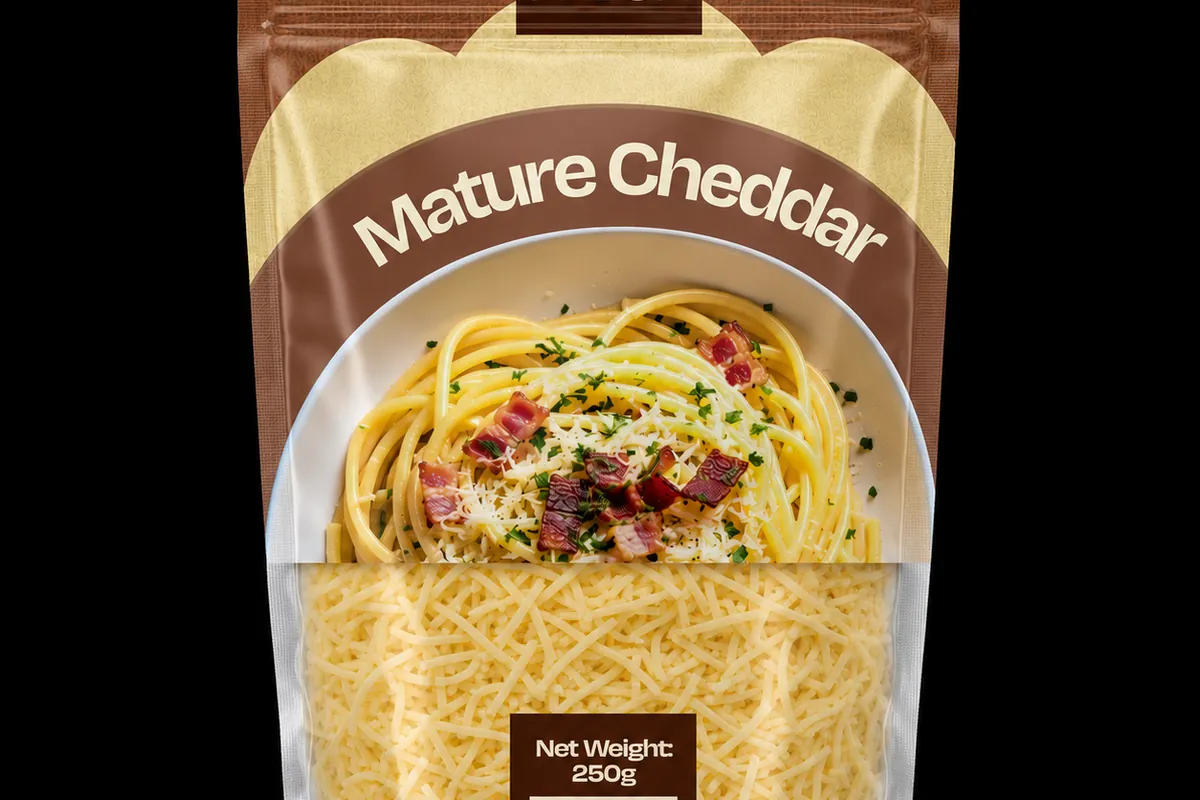 Murphy says a “monumentous” shift in protein packaging is the move away from tray-and-lid systems.“We’re increasingly working with retailers and processors to replace this long-standing packaging system with Cryovac brand MonoPP Flowpack, a range of flexible, high-barrier rollstock and films, which are certified as recyclable by Cyclos-HTP Institute.”
Innova Market Insights’ data explores protein packaging formats, finding that standard trays lead protein product launches globally between April 2025 and March 2026, with flat pouches coming in second.
Murphy continues: “Tray-and-lid systems in fresh meat have been around for about four to five decades, and have stood the test of time because of their structural integrity. We’re now seeing growing demand to eliminate trays to support regulatory compliance, reduce costs, and use less packaging.”
She gives the example of the UK’s packaging EPR, which applies fees according to material type and weight. In this case, “it can make huge commercial sense to remove rigid plastic trays from fresh meat packaging.”
“Similarly, reducing overall pack size by replacing a tray with a flexible, high-barrier film may support future compliance with the PPWR in the EU.”
Innova Market Insights’ data corroborates this, revealing that between April 2021 and March 2026, there was a 43% CAGR growth in cup packaging for F&B launches globally.
Plant-based protein
One segment that is also shaping protein packaging is the rise of plant-based protein products, which often require different protection, design, and branding requirements.
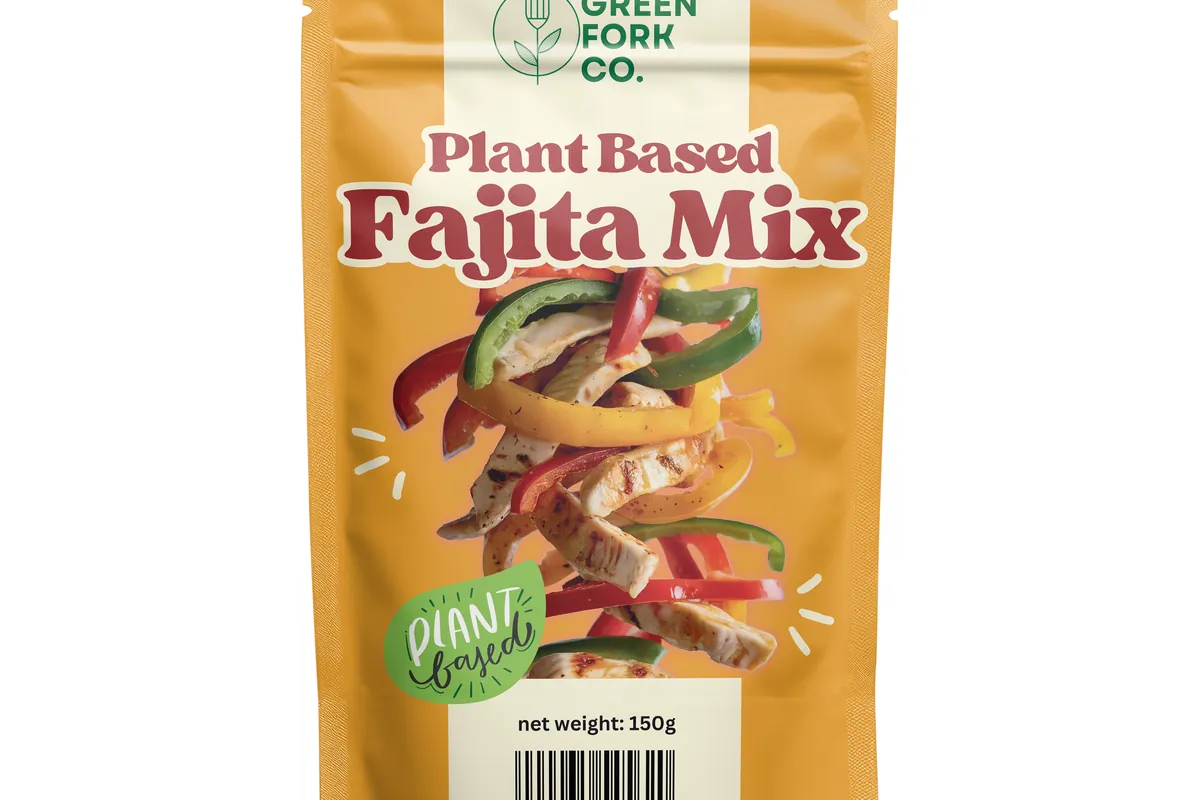 Murphy says that in plant-based protein, there is “strong usage” of stand-up pouches.Murphy says that in plant-based protein, there is “strong usage” of stand-up pouches. She observes that adoption of this form is “more advanced” in the plant-based category than in fresh meat or dairy protein products.
“The versatility of stand-up pouches suits a lot of the ‘ready to cook’ formats seen across plant-based proteins, while clear windows in pouches can also enable brands to showcase product quality.”
“Cutting-edge digital printing enables the easy, high-quality branding of pouches, which helps capture consumer attention. This can deliver a competitive edge in the plant-based proteins category, which is busy with pioneering new entrants and established brands that are prioritizing innovation to win market share.”
Converging formats
Rüdel says plant-based protein packaging emphasizes design and brand storytelling but notes a convergence between animal- and plant-based protein packaging.
She adds: “Renewable materials, minimalist design, and prominent environmental claims were central to how those products communicated their value, with shelf life, cold-chain performance, and food safety treated as given requirements rather than differentiators.”
Meanwhile, she highlights how animal protein brands have also built their branding around these requirements, but with cost efficiency and high barrier performance as the primary commercial drivers.
“Switching to alternative materials carries a significant risk because the margin for error for fresh protein is so narrow,” she explains.
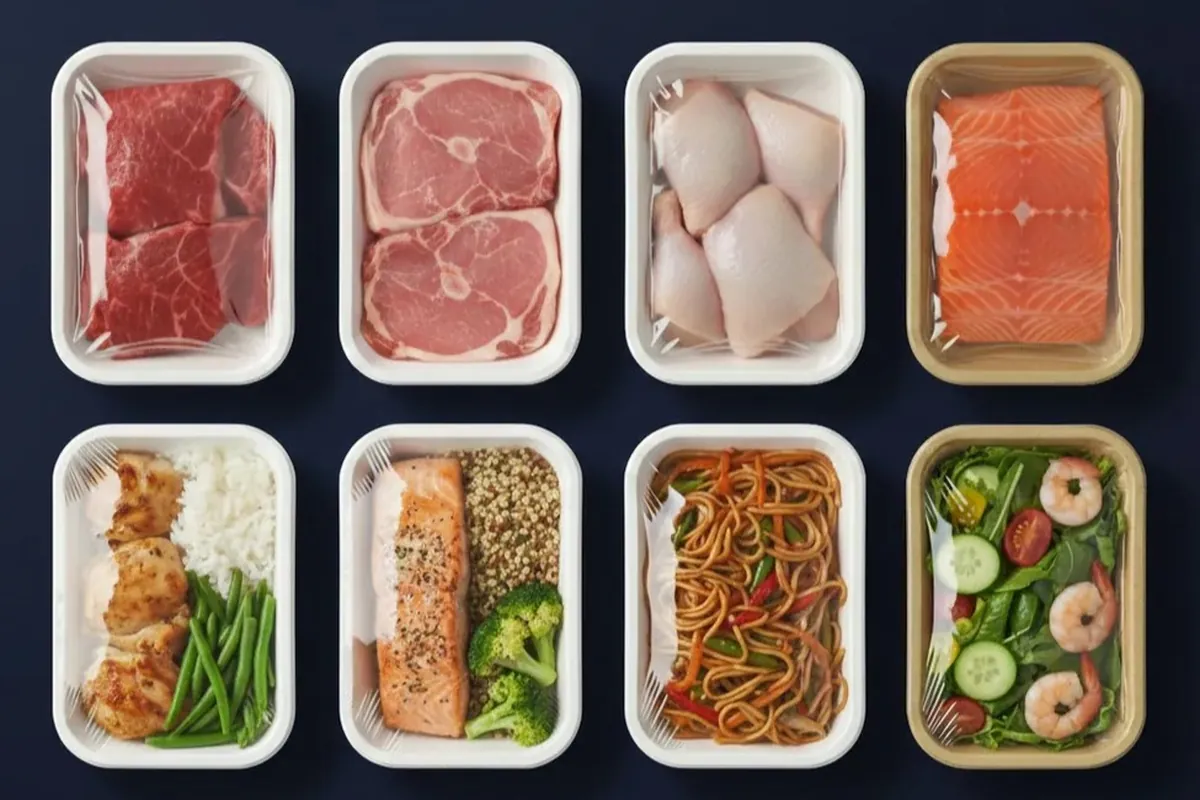 Rüdel points toward plant-based protein packagings’ emphasis on design and brand storytelling, noting a convergence of animal and plant-based protein packaging.“Both of those positions are under pressure today, from opposite directions. Plant-based brands are grappling with the commercial realities of mainstream distribution; packaging economics, barrier performance, and supply chain compatibility need to match the demands of high-volume retail without requiring consumers to make trade-offs.”
The result, Rüdel argues, is a convergence. “The distinction that is emerging is less about protein source and more about where a product sits on the premium-to-value spectrum, and whether it is fresh, chilled, or shelf-stable.”
“Those variables drive packaging requirements more meaningfully than plant-based versus animal-based at this point.”