




GAIA: “Waste colonialism” fuels Africa’s plastic crisis amid circular initiatives


Key takeaways
- Africa faces mounting waste challenges, exacerbated by plastic waste imports disguised as recycling, says GAIA’s Naidoo.
- Ghana and Nigeria are among the countries leading zero-waste efforts, focusing on recycling and reducing single-use plastics.
- Women waste pickers play a pivotal role in grassroots waste management, despite facing discrimination and challenges.
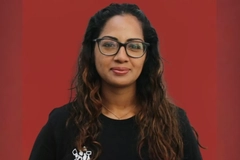
Effective waste management in Africa is undermined by imports of plastic waste from the Global North, says Merissa Naidoo, plastic program manager at the Global Alliance for Incinerator Alternatives (GAIA) and Break Free From Plastic (BFFP) Africa. She adds that this plastic waste is often mislabeled as recyclable but, due to the volume of imports, ends up being poorly managed or openly burned.
Packaging Insights sits down with Naidoo to explore Africa’s waste management, highlighting the countries that are leading the way, as well as what she calls the industry’s “false solutions,” including waste-to-energy, chemical recycling, and plastic credits.
What are the main initiatives tackling waste management across Africa?
Naidoo: There have been numerous attempts to manage waste in Africa. Unfortunately, many of these initiatives have fallen short. They simply cannot and will never be able to keep pace with the sheer volume of plastic that is entering the continent, both legally and illegally, on a daily basis.
Much of the waste imported is also not designed to be recycled or effectively managed in the first place. Initiatives to tackle waste have included everything from massive cleanup efforts to mechanical recycling, but the plastics industry continues to promote solutions, or rather, “false solutions,” such as waste-to-energy, chemical recycling, and plastic credits, that are ineffective or harmful.
In Africa, approximately 90% of waste ends up in unregulated dump sites or landfills, often accompanied by the harmful practice of open burning.
What do you think is the most effective waste management system for Africa?
Naidoo: One particular waste management stream advocated by GAIA and BFFP are zero waste systems. Zero waste is a concept in which resources are conserved through responsible production, consumption, reuse, and product recovery, without burning or discharges to land or water.
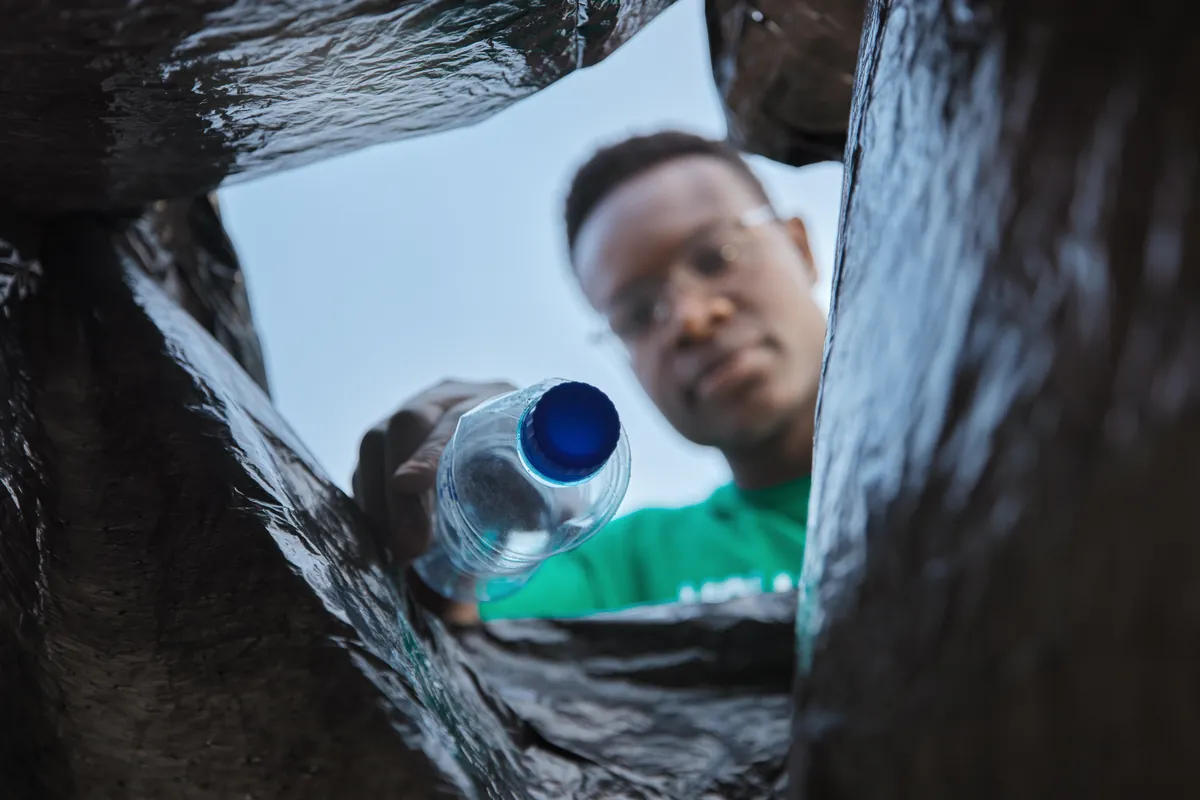 Naidoo argues that it is "critical" to focus on preventing waste as well as waste management systems.Zero waste can include reduction, composting, recycling, and industrial redesign, which leads to more resilient cities, communities, social equity, and healthier environments. This is more than any conventional or so-called “innovative” waste management system offers.
In Africa, we are seeing zero-waste systems cropping up more across several countries. At GAIA, we’re working with countries like Senegal, Kenya, Nigeria, Ghana, Tanzania, South Africa, Uganda, Morocco, Zambia, and Rwanda to increase the scale and pace of zero waste systems implementation.
It’s very crucial to recognize that waste management, or waste disposal, is one of the final stages in the life cycle of waste. It’s critical to focus more on preventing waste than on trying to find a cure for what is already produced.
What countries in Africa are leading the way in effective waste management systems for packaging?
Naidoo: The two countries that come to mind are Ghana and Nigeria. Both these countries have large populations and have been severely affected by plastic packaging pollution. Packaging pollution, especially from water sachets, is rife in these countries, and we’re trying to find ways to replace it with systemic solutions like reuse and refill that address the root causes.
Textile and e-waste also results from the Global North dumping waste in these countries. That’s a practice we refer to as waste colonialism, whereby higher-income, Global North countries transfer their waste, externalizing the problem onto African countries.
Other countries include Kenya, Mozambique, South Africa, and Tanzania, which have the highest plastic pollution from the packaging sector. In several of these African countries, there is no separation at source or scalable reuse and refill systems at the city level, which means a large quantity of waste is sent to landfills every day.
How does the plastics industry use recycling initiatives to support the ongoing production of plastic?
Naidoo: It’s important to understand the diversion tactics that the plastic industry uses, which have now been termed greenwashing.
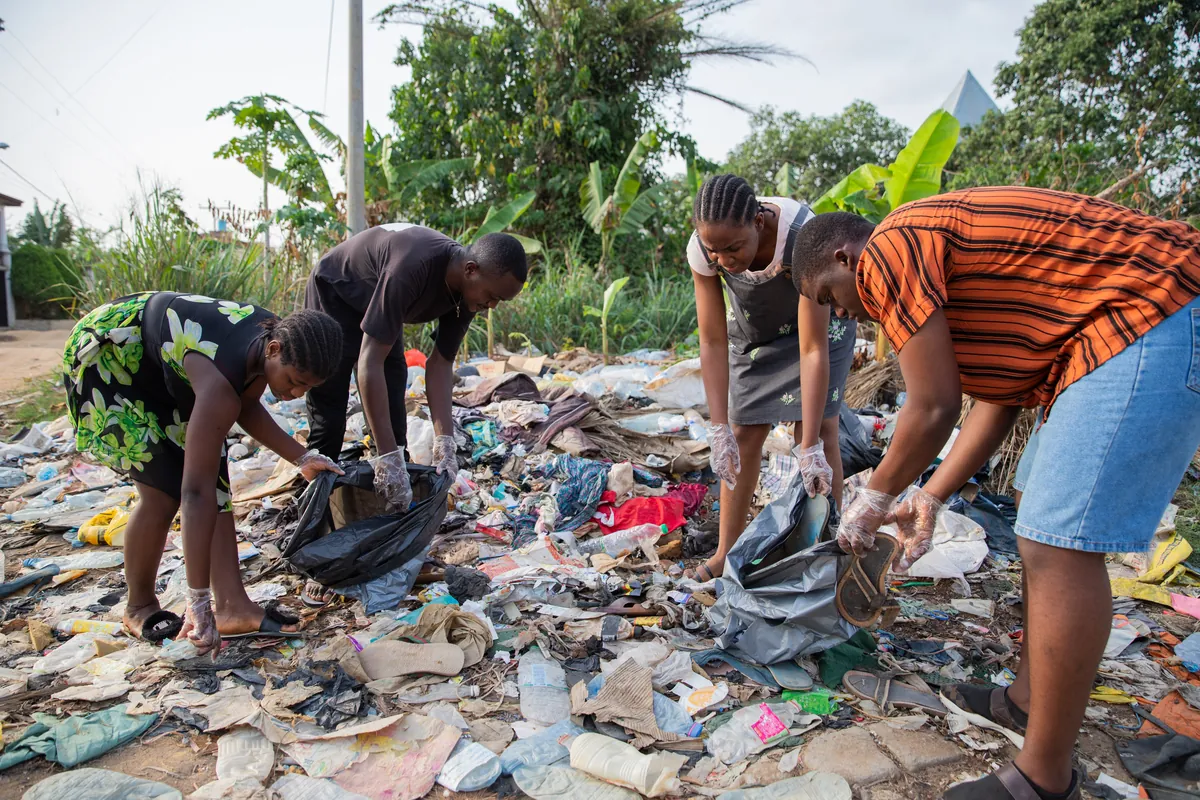 Naidoo highlights that waste pickers "form the backbone" of the recycling economy in the Global South.Greenwashing is the industry’s way of trying to maintain and generate public support to justify its continued plastic production. It occurs when companies use misleading messaging to appear environmentally responsible, without actually making meaningful changes.
In 2024, Coca-Cola dropped its promises around reuse and recycled content. This is how greenwashing plays out in industry: overstating recycling effectiveness, shifting the blame to consumers, or investing in recycling innovations, like chemical recycling, waste-to-energy solutions, or bacteria that can eat plastic. These “techno fixes” try to distract us from the real solution
One tactic companies that greenwash use is promoting exports of recycled materials. This is a current issue that Africa is bearing the brunt of as plastics are being exported to the Global South under the guise of being recycled, aid, or charity. In many cases, regions lack the capacity to manage such waste, leading to pollution, health hazards, and environmental injustice.
Why is it important to focus on the role of women waste pickers in waste management in Africa?
Naidoo: Waste pickers play a critical role in grassroots waste management and form the backbone of the recycling economy in many parts of the Global South. Despite the challenges they face, they’re the most resilient and knowledgeable group of people when it comes to tackling waste.
A growing number of waste pickers are women, particularly in female-headed households, where waste picking has become a key source of income to support their families. The impact of this should be acknowledged and celebrated, but despite this vital role, they often face discrimination in a male-dominated industry.
This includes harassment, assault, receiving unfair prices from the middleman who is trying to buy their goods, and a lack of access to leadership positions within recycling cooperatives and centers.
Slowly, female waste pickers are becoming more vocal within the context of the UN’s Global Plastic Treaty. It’s important to understand that the barriers female waste pickers face not only harm their individual livelihoods, but they also threaten the effectiveness of recycling systems in the Global South.