

Aseptic bag industry targets PPWR recyclability ahead of 2030


Key takeaways
- ABMA has launched a three-year initiative to help industrial aseptic bags meet EU PPWR recyclability requirements by 2030.
- The project will develop dedicated collection, recycling, and Design for Recycling guidance for multimaterial PE-based aseptic bags.
- ABMA says current bag structures remain necessary for food safety, strength, and shelf life, making specialized recycling technologies essential.
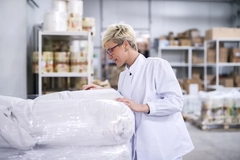
Industrial aseptic bags are currently considered “not recyclable” under the EU’s Packaging and Packaging Waste Regulation (PPWR), according to the Aseptic Bag Manufacturers Association (ABMA).
As the EU develops its Design for Recycling criteria for PE flexibles as part of PPWR, ABMA has launched a cross-industry initiative to develop a recycling system and food-safe PE aseptic packaging that is also recyclable.
“Industrial aseptic bags are used by a relatively concentrated group of producers in Europe, particularly for tomato products and juices,” a spokesperson for ABMA tells Packaging Insights. “The proposed system would collect used bags separately to avoid contamination, then send them to qualified recyclers. We are also exploring ways to make transport more efficient.”

The German association highlights that the main objective of the initiative is to pave the way for industrial aseptic bags to be considered recyclable under the PPWR and for it to still be placed on the EU market from 2030.
“The initiative will develop Design for Recycling guidance tailored to industrial aseptic bags, reflecting their separate collection stream and specific recycling requirements,” the spokesperson adds.
Guido Aufdemkamp, executive director of ABMA, comments: “The situation is critical. If industrial aseptic bags are not recognized as recyclable by 2030, they may no longer be placed on the EU market.”
“This would put the supply of essential tomato and fruit ingredients at risk and could severely disrupt these food products in Europe. It is essential that a dedicated collection and recycling system is established in time to ensure these bags are recyclable and recycled in practice.”
ABMA is also collaborating with recyclers and national Producer Responsibility Organizations as part of the three-year initiative.
Recyclability challenges
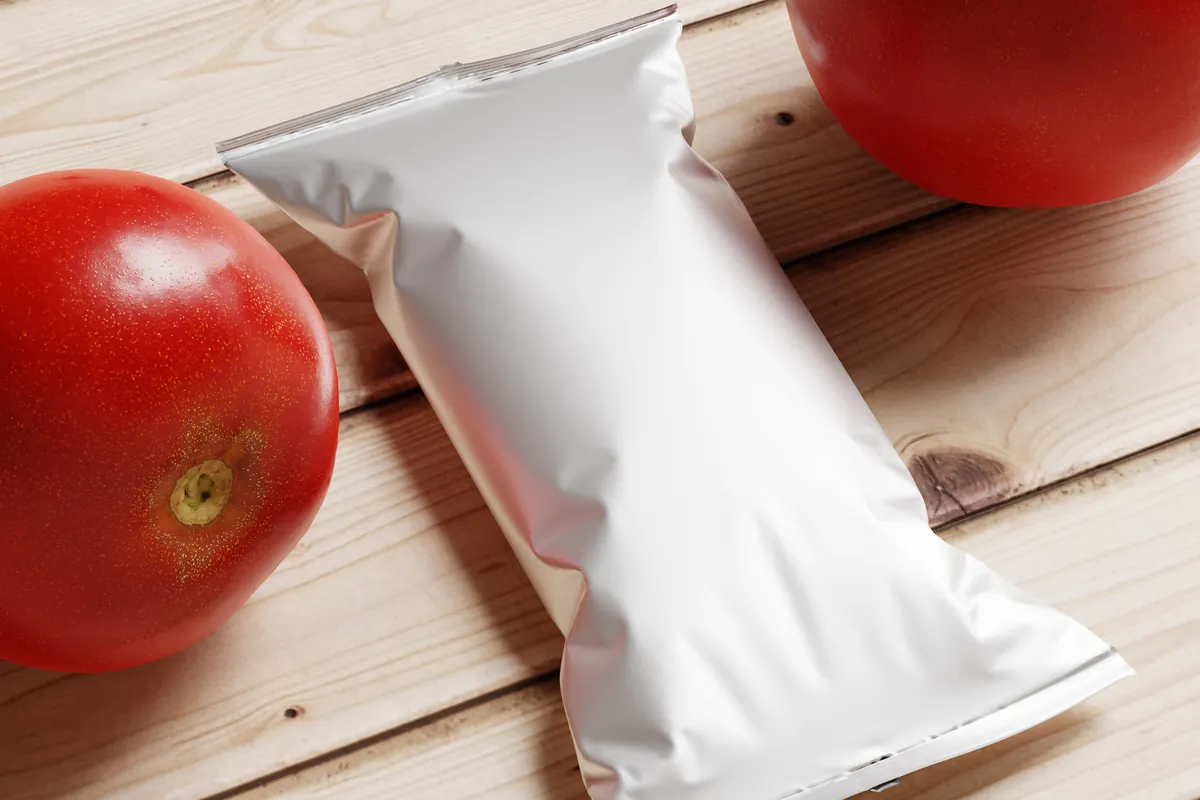 The initiative concerns producers in the ketchup, tomato sauce, juice, and other food product industries.The initiative includes producers in the ketchup, tomato sauce, juice, and other food product industries. ABMA explains that replacing the multimaterial structures commonly used for such food products remains technically unfeasible due to demanding food-safety, packaging strength, and shelf life requirements.
“The different material layers used in industrial aseptic bags are essential to protect the food and give the bag the strength it requires,” the spokesperson continues. “However, materials such as metalized PET, aluminum foil, and polyamide can affect the quality of recycled PE.”
“Existing PE recycling streams cannot readily handle these combinations, which the current Design for Recycling guidelines developed by the European Committee for Standardization classify as non-recyclable. Those guidelines are also the basis for secondary legislation of PPWR.”
The spokesperson says that the main challenges the ABMA’s initiative will face are bringing more of the industry on board and meeting the tight PPWR timelines, “with strict recyclability requirements entering into force on January 1, 2030, firstly affecting the [produce] harvests of winter 2028–2029.”
“This will require changes to the established system for handling industrial packaging, and building a new collection and recycling system takes time. We are moving as quickly as possible, but are confident to meet the deadlines and provide producers of tomato products and juices a license to operate beyond 2030.”
Expediting recycling tech
The initiative aims to ensure compliance with Design for Recycling rules by qualifying recycling technologies for industrial aseptic bags and developing a collection and recycling scheme compliant with national EPR rules across Europe, ABMA outlines.
Additionally, ABMA aims to prepare Design for Recycling guidelines that can be included in the PPWR and to evaluate recyclates for food contact applications.
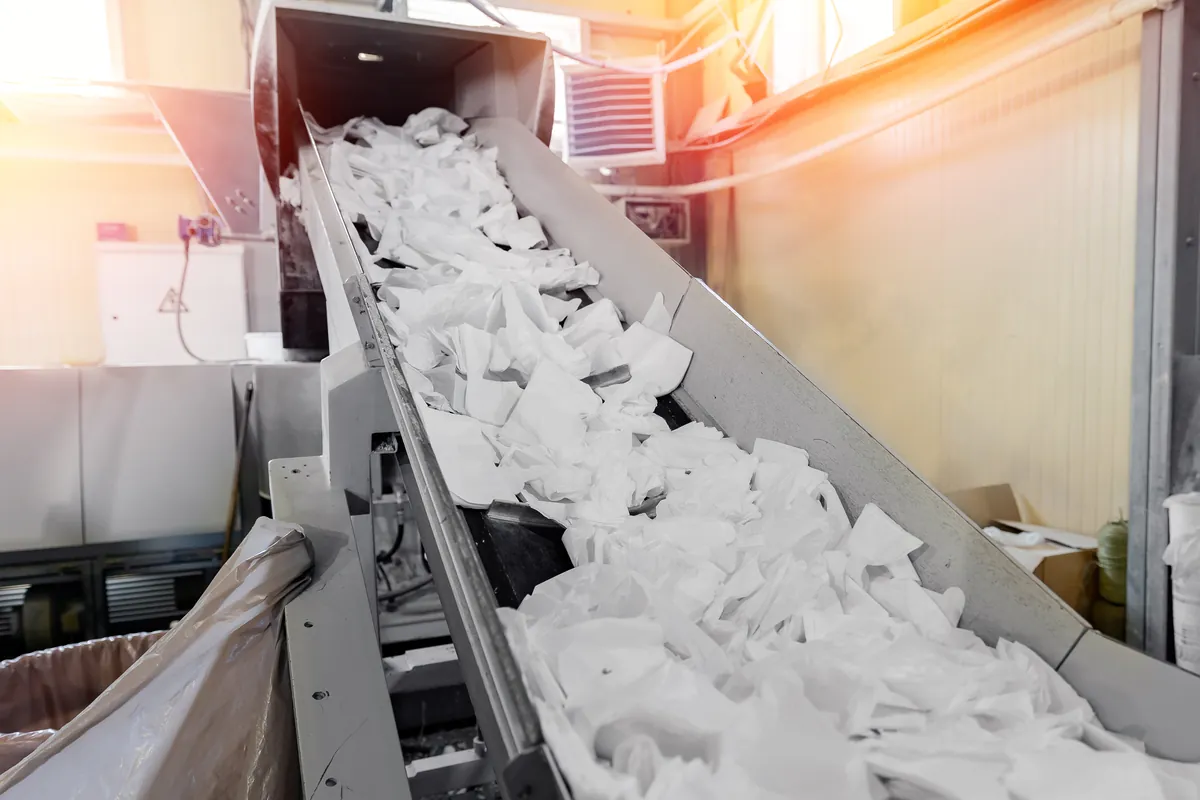 The initiative aims to ensure that industrial aseptic bags will be considered recyclable under the PPWR.ABMA’s spokesperson further discusses the technical challenges that need to be addressed to make industrial aseptic bags recyclable while maintaining food safety, strength, and shelf life.
“These bags typically need to preserve their contents for up to 24 months to help manage variations in harvests. Although the industry is developing alternative structures, the options available today do not yet meet all the required performance standards. Therefore, we will focus on qualifying recycling technologies capable of processing existing bag structures.”
Recently, MM Packaging Deeside upgraded its GreenPeel fiber-based tray with a double-rim structure that aims to enhance strength, seal integrity, and retail performance for fresh produce packaging. Meanwhile, DS Smith developed a fiber-based Closed-Type Tray for the transatlantic freight of kiwis and other fresh produce.
Researchers at the University of Copenhagen, Denmark, recently found that placing a powdered clay solution in fresh produce packaging can absorb ethylene to control ripening.
Packaging Insights explored recent technological developments in the realm of sorting and recycling optimization, including for multimaterial flexibles, in a conversation with Greenback Recycling Technologies, Greyparrot, and Tomra Recycling.
“We are qualifying recyclers with technologies capable of processing multimaterial packaging,” the ABMA’s spokesperson adds. “Few existing mechanical recycling technologies in Europe can handle these structures, and the initiative is working with them to qualify them for industrial aseptic bags.”
“A major condition to recycle materials that do not fit in any standard recycling stream but can be recycled is to generate a homogenous waste fraction and then apply the relevant technology.”