



Home treatments drive smarter, sustainable pharmaceutical packaging


Key takeaways
- Growth in at-home treatments, including GLP-1s, insulin, and biologics, is increasing demand for safe, intuitive, and patient-friendly packaging.
- QR codes, NFC tags, RFID, and embedded security markers are strengthening traceability and tamper evidence.
- Suppliers are developing recyclable monomaterials and lower-impact sterilization methods to meet stricter sustainability regulations.

Pharmaceutical packaging is responding to an increase in at-home medical treatments, like GLP-1s, insulin medication, and biologics. Meanwhile, consumer concern about product tampering and contamination is pushing brands to consider smart solutions for traceability, while regulations are challenging brands to balance circularity with product protection.
Packaging Insights speaks to Ampacet, Peak Nano, and Plastic Ingenuity to explore how these trends are shaping current pharmaceutical and health care packaging developments.
“The need for at-home healthcare is a primary driver for new packaging and adherence requirements,” says Anthony Christopher, project manager for Films as a Service, at Peak Nano.
Alexandre Gilles, product manager for Healthcare at Ampacet, adds that the shift toward home-based treatments and patient-centric healthcare is increasing the demand for safe, reliable, and user-friendly packaging solutions that ensure product protection.

As at-home administration changes medical packaging, the experts note that the underlying packaging innovation trend currently informing the pharmaceutical and health care sector is the growing emphasis on sustainability.
Meanwhile, Paige Greenberg, sustainable packaging engineer at Plastic Ingenuity, argues that performance requirements, sustainability pressures, and evolving regulations are making pharmaceutical and healthcare packaging material selection “increasingly complex.”
Shifting treatments
The rise of at-home treatments, like GLP-1s, means daily consumer interactions with pharmaceutical packaging. This means that it is crucial for manufacturers to understand that packaging and drug delivery end users are increasingly patients rather than healthcare professionals, says Gilles.
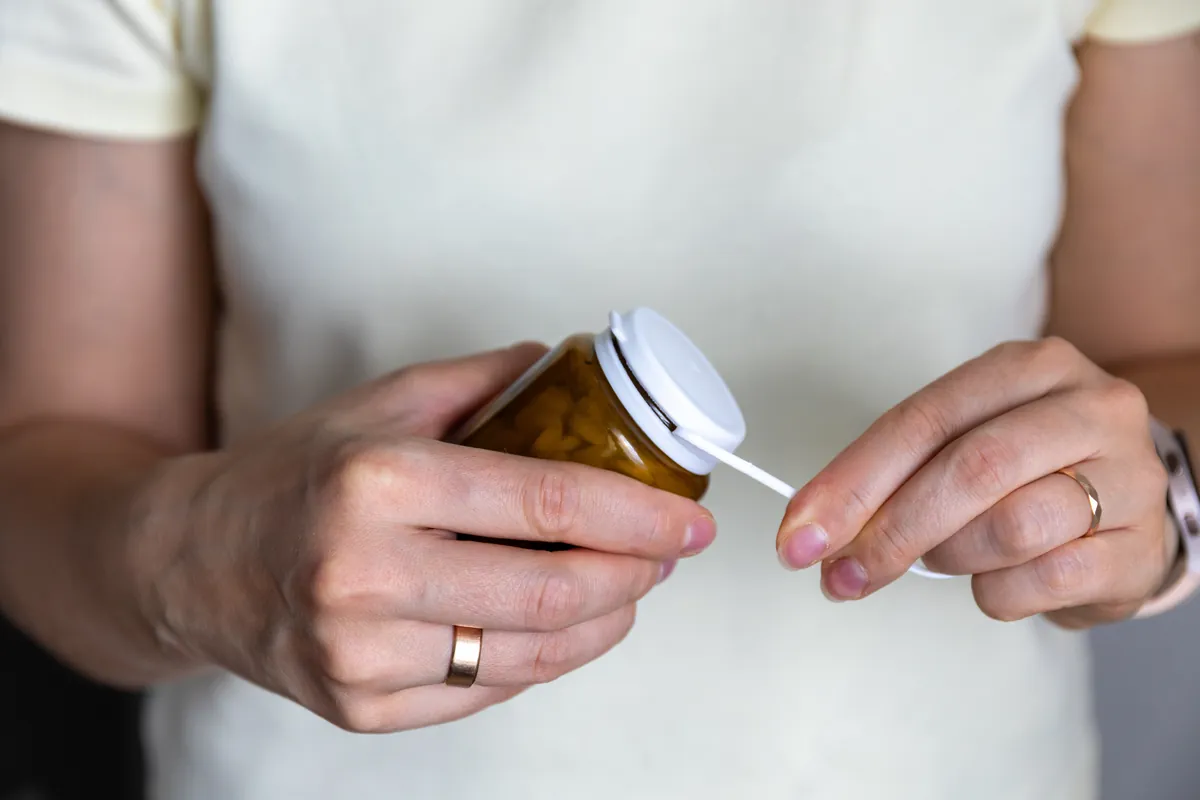 Christopher says at-home health care is driving demand for tamper-resistant packaging and connected traceability technologies.“Clear product identification, especially for prescription medicines, and ease of use are critical requirements. Packaging must facilitate correct product selection and administration, helping to improve patient compliance and reduce the risk of medication errors.”
Recently, IWK Packaging Systems announced it is presenting its cartoning machine for pharmaceutical and medical-device packaging at Pack Expo 2026, Chicago, US (October 18–21).
Specifically, IWK will provide live demonstrations of the system’s expanded viability for autoinjector pens, tapping into patient-centric drug delivery solution trends.
Material efficacy
Ampacet’s Gilles adds that, with this new healthcare development, it’s important for manufacturers to design packaging solutions that combine product protection, durability, and functionality.
One material that boasts these characteristics is PET, says Greenberg, adding that it is traditionally the “preferred resin choice” for thermoformed packages due to its high strength and durability.
“Ready-to-use tubs made from a recyclable PET resin are a high-performance alternative to traditional injection-molded polystyrene (PS) tubs,” she adds. She notes that compared to conventional injection-molded high-impact PS ready-to-use tubs, PET tubs can reduce plastic use by up to 15% and decrease the carbon footprint by 28%.
“Ongoing advancements in PET recycling are beginning to expand what’s available, from bio-based PET to mechanically and chemically recycled PET,” Greenberg notes.
Additionally, she explains that avoiding hard-to-recycle materials like PVC in favor of PET or high-density PE can “help strengthen packaging circularity.”
However, Greenberg stresses: “PCR materials must be assessed against required packaging performance standards, such as material consistency, aesthetics, mechanical performance and functionality, processability, and validation requirements.”
Tamper-evidence innovations
Christopher adds that moving away from clinic visits to patient-administered treatments is driving “needs for new packaging, new supply chain requirements, accessibility, and design, with a growing requirement to combat drug tampering and introduction of counterfeit drugs into the market.”
 Patient-centric treatments require safe, user-friendly packaging, says Gilles.“More focus has been placed on tamper-resistant polymers as well as security markers that are built into the polymers for drug packaging.”
He highlights that many tamper-evident features are increasingly incorporating digital tools. Specifically, solutions like QR codes, NFC tags, and RFID are used for the track and trace of medical equipment and pharmaceutical drugs.
In August, Schreiner MediPharm developed a functional label for SHL Medical’s Quanta weight-loss pen that features a near field communication chip and anti-slip varnish for safe grip and tamper-evidence.
Christopher predicts that there will be a “large push” for connected devices such as auto-injectors and continuous glucose monitors moving forward. Additionally, he expects a “big push” in color-changing security markers that are built into packaging.
Material performance and protection
Underpinning innovation in tamper-evidence and at-home healthcare applications is an industry reconciling sustainability objectives with product protection, states Giles.
“Packaging solutions must increasingly incorporate recyclable, monomaterial structures while delivering the barrier performance necessary to protect sensitive pharmaceutical products from moisture, oxygen, and other environmental factors throughout their shelf life,” he continues.
The excerpts identify two areas where pharmaceutical packaging is innovating in response to sustainability requirements: carbon reduction and monomaterial recyclability.
“The carbon footprint associated with raw materials, transportation, and production processes has become a key factor in reducing overall environmental impact. As a result, some organizations are relocating production facilities closer to end markets to minimize transport-related emissions,” explains Gilles.
Greenberg stresses that material reduction cannot come at the expense of product protection, and a more recyclable resin is “not an acceptable solution if it does not withstand essential distribution, sterilization, or shelf life conditions.”
She adds that it’s important for sustainability to be embedded into early design of packaging, “not an afterthought.”
“Cross-functional teams of packaging engineers, sustainability experts, regulatory specialists, material suppliers, and manufacturers all need to work together to identify where packaging can be optimized while upholding the performance requirements of each application.”
Meanwhile, Christopher underscores how packaging engineers are replacing complex laminates with monomaterial systems, such as all PP or high-density PE materials, highlighting how this can be “an easy way to drive sustainability without having to recycle or use biopolymers."
 Greenberg says pharmaceutical packaging must advance circularity without compromising sterilization, distribution, or shelf-life performance.He also points toward the advance of fiber-based materials and eco-friendly sterilization methods that use high-energy electrons instead of “toxic chemicals” to sterilize packaging.
Gilles underscores: “These innovations enable pharmaceutical packaging manufacturers to advance their sustainability and circularity objectives while preserving the high-performance standards necessary to protect sensitive pharmaceutical products.”
Regulatory overhaul
Christopher notes how the EU’s Registration, Evaluation, Authorization and Restriction of Chemicals Regulation, with its Substance of Very High Concern classification, is pushing new, non-toxic materials into the market.
Moreover, Gilles points to the Packaging and Packaging Waste Regulation (PPWR) and emerging recyclability standards such as EN 18120 as driving the industry to reassess packaging designs, material selection, and end-of-life considerations.
Greenberg attests that the PPWR and EPRs are “significantly altering the global packaging industry.”
“Healthcare companies are advised to consult qualified legal and regulatory experts regarding compliance obligations specific to their products, markets, and operations,” she underscores.
“Although final PPWR criteria like design for recyclability requirements have yet to be established, companies that identify realistic and technically feasible sustainability improvements today will be better positioned for future compliance, evolving expectations, and long-term packaging strategy.”
Packaging Insights recently spoke to Plastic Ingenuity in depth about how packaging manufacturers are getting ahead of the PPWR to reduce material use and improve recyclability while maintaining performance.
Gilles adds that pharmaceutical packaging has historically benefited from exemptions, but now, companies are being forced to comply with regulatory requirements.
He concludes: “By enabling the development of innovative and sustainable packaging solutions, material technologies can support both evolving patient needs and the pharmaceutical industry’s commitment to safety, performance, and environmental responsibility.”