



Canadians embrace single-use plastic bans as reusable bag use climbs

Key takeaways
- A Research Co poll finds majority Canadian support for federal bans on six single-use plastic categories, with backing ranging from 52% for cutlery to 60% for six-pack rings.
- Consumer habits are shifting, finds the poll, with 84% using reusable grocery bags.
- Despite broad support, enforcement gaps and confusion remain around foodservice packaging.
A new poll from Research Co, a Canadian public opinion firm, indicates that most Canadians support the federal government’s decision to ban the manufacture, import, and sale of single-use plastic ítems, including packaging.
The Single-use Plastics Prohibition Regulations gradually came into force in 2022. The Regulations prohibit the manufacture, import, and sale of six categories of single-use plastics, namely checkout bags, cutlery, foodservice ware, ring carriers, stirring sticks, and straws.
Mario Canseco, president at Research Co, tells Packaging Insights: “There was a negative reaction from the public when some of the initial bans were implemented because there was no grace period. In some provinces and municipalities, plastic bags were unavailable from one day to the next. There was no way for the public to get used to the new reality.“
”The federal government opted for a phased-in approach, and that is partly responsible for the level of support being as high as it is. There was an opportunity for consumers to change their behavior over a reasonable period. This makes things easier for manufacturers and retailers.”
Reshaping consumer behavior
The survey found majority support for bans on flexible six-pack rings (60%), plastic stir sticks (59%), checkout bags (58%), straws (56%), and plastic cutlery (52%).
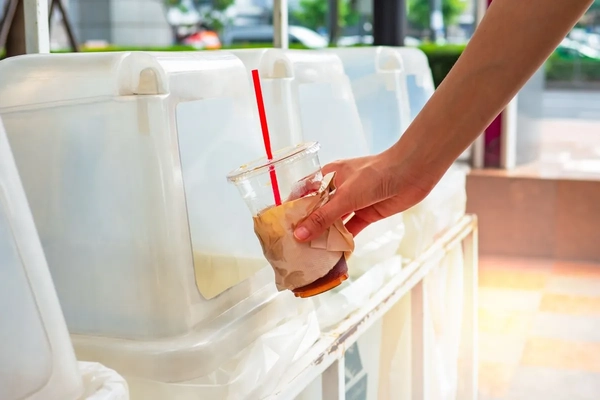
More than half of the respondents support banning plastic foodservice ware, such as clamshells, lidded containers, boxes, cups, plates, and bowls.
According to the poll, 84% of Canadian consumers say that they transport groceries out of a store using their own reusable bag.
“Canadians aged 55 and over are the most likely to rely on reusable bags when purchasing groceries (92%). The proportions are lower among their counterparts aged 35 to 54 (84%) and aged 18 to 34 (77%),” says Canseco.
More than half of Canadians say they use fewer plastic packaging products than they did before the ban, while three in ten report no significant change in their behavior. Seventy-seven percent of Canadians say they go out of their way to recycle packaging, such as holding on to bottles and cans until they can be placed into a proper recycling bin, “all of the time” or “most of the time.”
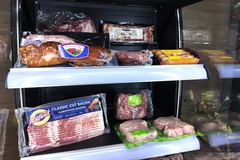
“Many Canadians support the bans and say they are using fewer plastic products than in years past. Still, some confusion remains on specifics. The bans on takeout containers, for instance, have been hard to enforce at the municipal level. Clamshell packaging is still being used for meat at grocery stores. We will have to wait to see if the federal government decides to do more,” Canseco concludes.
Last year, the Canadian Government began phasing out PFAS in food packaging materials. A consultation document that outlines proposed approaches to manage PFAS use in food packaging materials and other consumer applications is planned for 2027.