


Compostable packaging advances as brands adapt to regulatory shifts


Key takeaways
- The packaging sector is moving toward compostable solutions, but adoption varies by region.
- Avebe and NantBioRenewables say legislation is driving demand, with companies prioritizing PFAS-free solutions and compostability certifications.
- Sulapac highlights growing demand for compostable materials in cosmetics and luxury packaging.
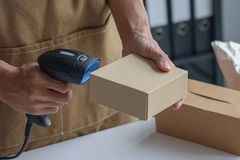
The global packaging market is moving away from fossil-based materials toward circular alternatives, such as compostable packaging. However, the path to a sustainable future is not uniform, and the definition of compostable packaging is expanding.
Packaging Insights speaks to Avebe, NantBioRenewables, and Sulapac on how they are balancing environmental footprints with process compatibility and commercial viability.
Lila Karlsen McNutt, global director for sales and marketing at NantBioRenewables, tells us that the industry’s long-term trends include the broader adoption of compostable materials and stronger alignment with waste management infrastructure.
“As economic pressures ease for consumers and composting facilities become more familiar with certified compostable packaging, adoption will continue to increase.”

Different pace of change
Ria Tinga, strategic marketing manager at Avebe, highlights legislation as the primary accelerator for compostable packaging. She notes that the growth of compostable alternatives is part of a global move toward fiber-based, recyclable, and bio-based packaging solutions.
 Avebe aims to develop packaging papers that combine sustainability with practical performance (Image credits: Avebe).“In Europe, growth is largely driven by regulations such as PFAS restrictions, the Single-Use Plastics Directive, and the Packaging and Packaging Waste Regulation (PPWR), making sustainable barrier solutions a clear priority,” she says.
“In Asia-Pacific, regulations are less uniform and alternative technologies such as waxes and synthetic barriers remain widely used, although markets like Australia and Japan are moving closer to European standards.”
“In the Americas, we see growing interest, but companies face the challenge of navigating the fragmented regulatory landscape where ‘compostable’ claims are tightly regulated and differ at the state level.”
In response, Avebe aims to deliver the performance, affordability, and process compatibility that customers expect across different markets while ensuring regulatory compliance does not come at the expense of material performance.
“For food packaging paper, oil and grease resistance, runnability, food-contact compliance, and cost-in-use remain essential,” Tinga emphasizes.
“Our focus is on potato starch-based barrier coatings and adhesives for fiber-based food packaging. With PerfectaFilm, we support PFAS-free oil-and-grease barrier performance for dry food packaging. We also work on bio-based sealing solutions with PerfectaCOL GM, which combines heat-pressure sealability with oil-and-grease resistance.”
Advancing supply chain resilience
McNutt identifies a shift toward packaging solutions that are “better for people and the planet.” She also argues that today’s growth is largely driven by legislation requiring eco-friendly materials with traceable end-of-life pathways.
NantBioRenewables produces its Wave Ware line of foodservice disposables using multiple materials, including compostable ocean calcium sand bioplastics, cellulose acetate, and recyclable PP. NantBioRenewables’ custom thermoforming capabilities support a range of applications across foodservice and consumer packaged goods (Image credit: NantBioRenewables).
“We prepared in advance for commercialization, and our Wave Ware line has scaled smoothly in response to strong market demand. We hold a long-term lease to harvest our ocean calcium sand from a large area of the Bahamas,” says McNutt.
“The material is then received and cleaned in Savannah, US, and then shipped to our milling and end product manufacturing facilities in the country. This vertically integrated structure allows us to produce ‘Made in the US’ straws, plates, trays, and bowls with consistent performance and reliable supply.”
“We are insulated from many of the geopolitical, tariff-related, and conflict-driven disruptions affecting petroleum-based materials and Asian manufacturing.”
McNutt underscores that all Wave Ware products are certified as either BPI Commercial Compostable or Tüv Ok Home Compostable.
“Our role is to provide clear certification and transparency, so consumers, retailers, and composters know exactly how the material is designed to perform. These certifications ensure our materials meet rigorous standards for real-world compostability,” she says.
Expanding into luxury markets
The demand for compostable solutions has also penetrated the luxury and cosmetics sectors. Sulapac has developed a bio-based and biodegradable extrusion material designed for the needs of cosmetic pen manufacturers.
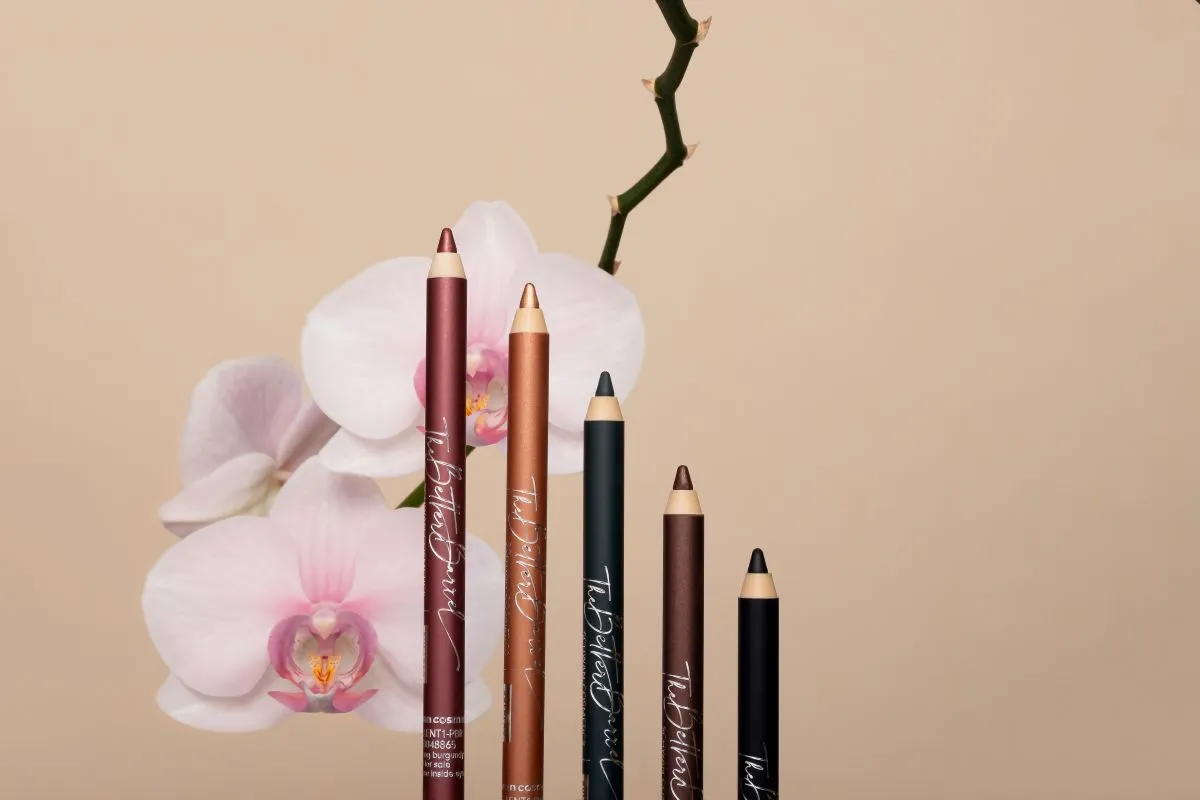 Consumers expect natural cosmetics to offer the same look and feel as conventional products, according to Sulapac (Image credits: Sulapac).“It has long been a challenge to develop a bio-based barrel that would be compatible with color cosmetic formulations that include volatile ingredients,” says Colin Strobant, commercial director for Cosmetics at Sulapac.
“Sulapac Flow 1.8 is fully compatible with advanced formulations, such as long-lasting and waterproof eyeliners. Our material meets the technical requirements and provides an enjoyable user experience with easy sharpenability and smooth application.”
Strobant shares that the Sulapac barrel has been adopted by several brands across Europe and the US. Recently, German color cosmetics manufacturer Nele Kosmetik launched an innovative pencil featuring a biobased and eco-safe Sulapac barrel.
“Some brands are now considering changing their conventional fossil-based plastic inserts into Sulapac ones. Inserts are used in the cosmetic sector and luxury goods in different types of gift sets, bundles, and advent calendars. Our thermoforming material can be flocked with a biodegradable cellulose flocking, enabling premium packaging solutions completely without conventional plastic,” he adds.
“Due to the PPWR, the future is still very much covered in clouds. But what is clear is that a compostable material is the only sustainable alternative in sharpenable cosmetic pencils, as you can’t fully control where the pencil shavings end up. We believe that all conventional plastic used in sharpenable cosmetic pencils will be replaced with Sulapac or similar materials in the near future.”