



Ecosurety questions Defra’s delay to flexible plastic collections in England

Key takeaways
- Defra intends to postpone mandatory flexible plastic packaging collections in England from March 2027 to April 1, 2030.
- Local authorities welcome the additional preparation time, citing insufficient sorting capacity, recycling infrastructure, and domestic end markets.
- Industry experts warn that delay alone will not unlock investment, calling for recycled-content mandates, policy reform, and government risk-sharing.

The UK Department for Environment, Food and Rural Affairs (Defra) intends to delay the local authorities’ mandatory collection of plastic films and flexible packaging from households and businesses in England from March 2027, as set out in the Simpler Recycling guidance, to April 1, 2030, according to multiple sources.
While the Local Authority Recycling Advisory Committee (LARAC), representing local government recycling authorities, has welcomed the postponement, Ecosurety, the UK’s packaging EPR compliance scheme, has expressed concern over the consequences of the delay.
Gareth Rollings, chair of LARAC, says: “The government’s intention to move the mandatory collection date for plastic films and flexibles reflects the concerns that our members have consistently raised about the readiness of the wider system and the financial and operational consequences for local authorities.”
“Councils remain committed to delivering effective recycling services, but they need a system that is properly funded and supported by viable sorting, reprocessing, and end-market capacity. The additional three years must now be used constructively by government and industry to build that infrastructure and provide local authorities with the clarity they need to plan.”
Meanwhile, Robbie Staniforth, chief policy and impact officer at Ecosurety, argues: “Obviously, the solution is to develop collections, sorting, and reprocessing in lockstep to ensure we do not build ‘white elephant’ recycling plants, nor begin ‘recycling’ collections that end up getting burnt for energy.”
“This announcement should prompt soul-searching for those closely involved, including myself, to understand what has gone so wrong and how we can ensure mistakes of the past are not repeated.”
Packaging Insights speaks to Ecosurety’s Staniforth and Adam Herriott, interim head of Packaging at the Waste and Resources Action Programme (WRAP), about the reasoning behind the delay and its potential consequences.
Low investor confidence?
LARAC members have “consistently” called for the delay of mandatory collection of plastic films and flexible packaging laid out in Defra’s Simpler Recycling guidance.
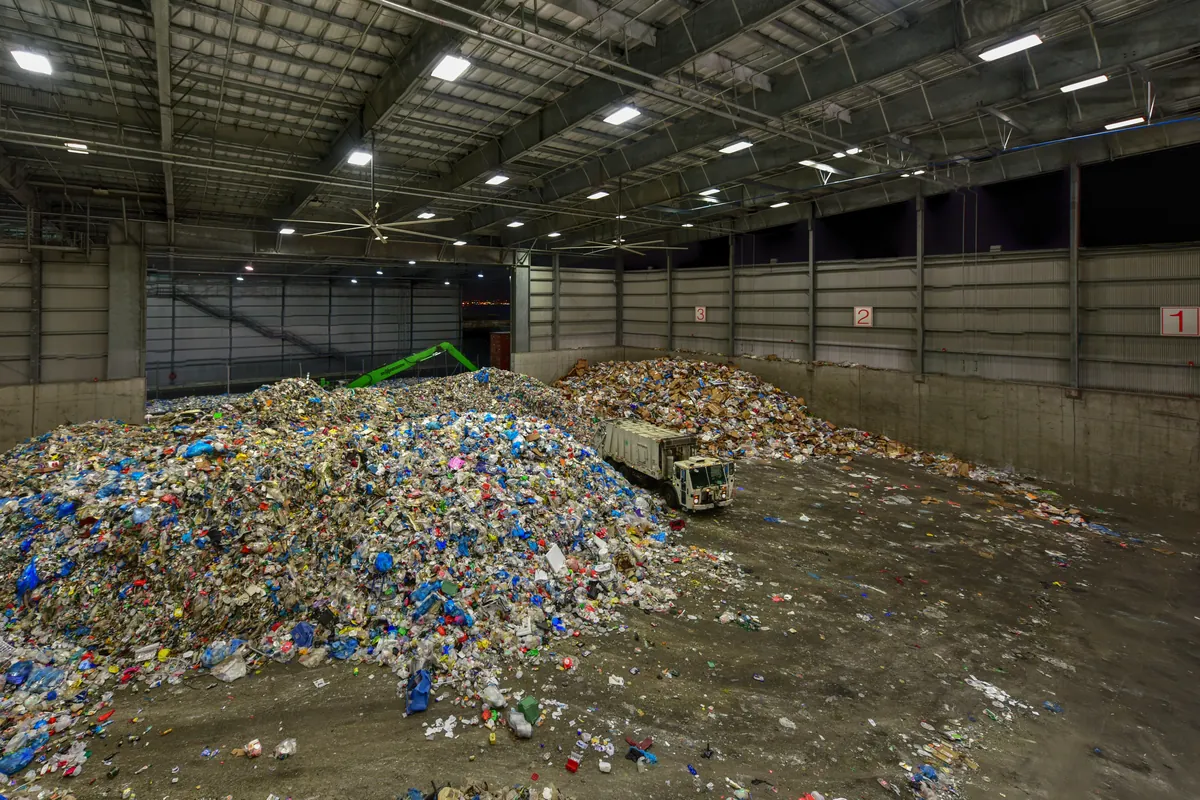 The local authorities have raised concerns about the lack of established domestic end-markets for recycled plastic.The local authorities have raised concerns about the lack of established domestic end-markets for recycled plastic, as well as the readiness of sorting and reprocessing infrastructure, and the financial and operational implications of the collections.
“Further delaying mandated collections will not in itself create end-markets,” Staniforth responds. “The markets have had four years of advanced warning, and throughout that period, investor confidence in flexible plastic recycling remained low. Today, that investor position has been justified. Delaying for a further three years is unlikely to improve their confidence.”
Discussing what drives the low investor confidence in flexible plastic recycling, he adds: “The big picture is that the demand for recycled plastics is in direct competition with very cheap primary plastics from oil. Investors have not been convinced that there is enough demand for the output of new reprocessing facilities to justify the significant outlay and risks. There simply has not been enough of an incentive to use recycled plastics in products and packaging. “
Herriott tells us: “WRAP will continue working with government, local authorities, producers, and the recycling sector to support the transition. We will continue to bring industry together to improve packaging design, strengthen collection and recycling systems, and build confidence for investment in recycling infrastructure, ensuring collection, sorting, recycling capacity, and end markets continue to develop together.”
In its official statement concerning the delay, LARAC says that the additional three years will give local authorities in England more time to plan and prepare for the effective collection of this material, adding that some councils have already introduced kerbside schemes.
Last month, Defra selected ReLondon to implement the FlexFlats project to improve the collection of flexible plastic packaging from communal apartment buildings in London.
Driving up demand
Staniforth further tells us that more needs to be done to drive up domestic and global demand for using recycled plastics in products.
“The UK can make a start by reviewing the Plastic Packaging Tax, which has not had the desired effect of increasing demand. It has simply raised revenue for the government to use on other issues unrelated to plastics. It isn’t just packaging that should include recycled content. There are many other technical applications where recycled content from flexible plastic can be used, not just packaging.”
 Ecosurety says legislative recycled content targets, similar to those in the EU, could boost recycled feedstock demand.“Introducing legislative recycled content targets, similar to the EU Packaging and Packaging Waste Regulation, would generate significant demand for feedstock, stimulate collections, and improve the investable conditions,” Staniforth continues. “Focusing too closely on turning packaging back into packaging has slowed progress on recycling flexible plastic for use in other areas. By the end of this autumn, I’d like to see a clear implementation road map for flexible plastic collections and recycling with clear milestones for industry and Government to hit.”
He argues that the Government can prevent collected flexible plastics from being incinerated by sharing some of the financial risk with private investors. “A great example of where Government and industry have worked together was in funding the award-winning FlexCollect project.”
“We need to see a similar approach to building critical recycling infrastructure. The government also needs to look at how Packaging Recovery Notes and other ‘recycled content’ policies could be further developed to drive demand for recycling and support reprocessors.”
WRAP’s Herriott asserts that Simpler Recycling is one of the most significant recent reforms to England'’s recycling system. “While the latest announcement changes the timetable for mandatory household collections of flexible plastics, it does not change the long-term ambition to collect and recycle more of this material.”
“The delay should not be used to simply sit back and do nothing, rather redouble our efforts to ensure that an effective, flexible plastic recycling system is implemented.”