


Defra to trial flexible plastic packaging collection from London apartments


Key takeaways
- The UK’s Defra has selected ReLondon to lead the FlexFlats project, testing flexible plastic packaging collection systems in London apartment buildings.
- The pilots will evaluate collection models, resident participation, material quality, and operational costs to identify scalable solutions for communal housing.
- ReLondon estimates that improved collection from flats could divert 50,000 metric tons of plastic film from waste streams.
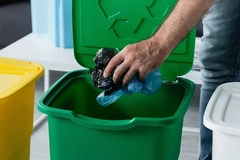
The UK’s Department for Environment, Food & Rural Affairs (Defra) has chosen ReLondon to implement the FlexFlats project to improve the collection of flexible plastic packaging from communal apartment buildings in London.
FlexFlats aims to help local authorities meet the requirements of the Simple Recycling legislation, which mandates the collection of flexible plastic packaging from every UK household from April 2027.
A spokesperson at Defra says: “Simpler Recycling is making it easier for people to recycle wherever they live, but we know that there are some types of housing — like flats — where it can be harder for local authorities to provide an effective service to residents.”

“Flexible plastic packaging is the next big challenge under the legislation, and this is why we’re pleased to be working with ReLondon, whose deep knowledge of densely populated urban areas and expertise in recycling from flats will help us explore — and then share — creative ways of helping people recycle their plastic bags and similar types of packaging.”
Mete Coban, Deputy Mayor for Environment and Energy and chair at ReLondon, says: “I am pleased to be working with Defra to pilot the most effective ways of collecting flexible plastics from flats, as we continue taking steps to develop a robust and replicable approach to collecting this material, which has such a major impact on our environment.”
Standardizing collection
ReLondon is a partnership of the Mayor of London and the London boroughs to reduce waste, while increasing reuse, repair, sharing, and recycling. The organization plans to deliver a series of pilots ahead of the implementation deadline.
The pilots will include testing scalable models for the separation and collection of flexible plastics from flats, gathering “insights” about the residents and their behavioral responses to different approaches, and determining how different models impact the quality of the collected material.
Additionally, the pilots will assess the operational and cost implications for local authorities and provide recommendations on the most efficient and effective collection methodologies for communal settings.
According to an estimate by ReLondon, around 6% of the city’s residual waste collected from apartment buildings is plastic films and flexibles, while the average weight of plastic film collected from a London household each year is 33.3 kg — the same as close to 5,000 carrier bags.
ReLondon says that collecting flexible plastics from London apartments could divert 50,000 metric tons of plastic film from waste streams, allowing it to be recycled instead. The organization adds that this is not just “a win for the environment,” but also for local authorities that can potentially face high costs for incinerating plastic packaging under the proposed UK Emissions Trading Scheme extension.
Coban adds: “The government’s wide-ranging collection and packaging reforms rolled out over the past few years have helped standardize services across England and lead to increased participation and higher recycling rates.”
“We will continue working with government, boroughs, and partners to tackle recycling challenges — such as flats, where it can be harder for local authorities to provide an effective service to residents — with innovation and insight, working toward a greener London for everyone.”