



Experts highlight digital printing’s transformation of packaging cost strategies

Key takeaways
- Digital printing excels in short runs, multiple SKUs, and variable data jobs, reducing set-up time and waste.
- Traditional methods remain cost-effective for long, high-volume runs, making hybrid solutions increasingly popular.
- Industry experts highlight total cost, operational efficiency, and time-to-market as key factors in printing decisions.
Digital printing has emerged as a transformative innovation in the packaging industry over the past decade. Methods such as inkjet and laser printing offer flexibility, speed, and cost-effectiveness, particularly for short runs.
However, some industry observers note that digital printing is unlikely to fully replace traditional techniques, primarily due to cost considerations and production scale.
Packaging Insights sits down with Bobst, Mondi, Flint Group Digital Xeikon, and Xaar to discuss the cost realities of digital printing amid its continuing transformation of the industry.
“The most crucial point is that digital and conventional printing are not in a simple ‘better or worse’ relationship; they are optimized for different economics,” says Danny Mertens, marketing manager at Flint Group Digital Xeikon.
“What is also changing is the commercial model. With some solutions, the economic barrier to entry becomes even lower because the converter is not forced into a traditional capital purchase.”
He argues that this changes the cost reality of small or emerging packaging companies from “one of ownership to one of access, flexibility, and managed capacity.”
Digital’s selling point
Flint Group Digital Xeikon’s Merten argues that digital printing is more cost-effective for short runs, multiple SKUs, versioning, test marketing, and jobs requiring variable data, because it removes plates, reduces set-up time, and minimizes waste.
Patrick Graber, marketing director for Private Labels at Bobst, explains that digital printing can also offer lower setup costs, making it “highly cost-effective for short runs, versioning, and frequent design changes.”
Mondi’s sales director, Bernd Köbler, says: “Digital printing combines high production speeds with high-quality, multicolor print images on both white and brown outer layers.”
“Data-to-print technology, printing plates, or clichés are no longer needed, which reduces set-up and production times and allows new designs to be introduced quickly and adapted at short notice.”
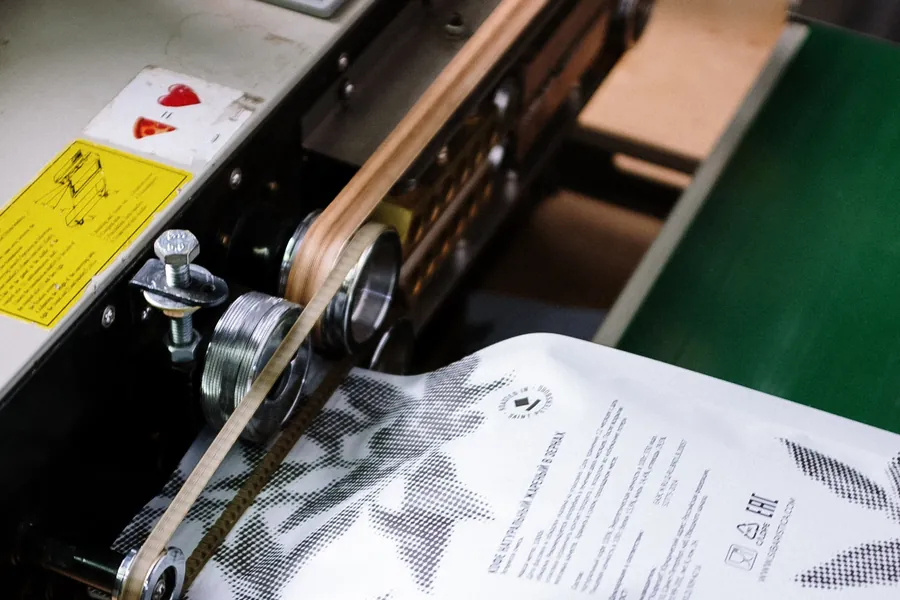 Digital printing has transformed packaging with flexible, cost-effective short runs, though traditional methods still dominate large-scale production.Bobst’s Graber adds that digital printing can offset higher print costs by reducing inventory, minimizing obsolescence, and lowering warehousing requirements.
Striking a balance
Köbler notes that comparing digital printing to traditional techniques is relative, as it depends on the print image, customer requirements, and reproduction. However, he adds, “digital printing offers advantages beyond those of flexographic or offset printing.”
However, in some cases, traditional methods like flexographic printing remain more economical on a per-unit basis — especially for long, static runs, says Graber.
Neil Cook, head of strategic marketing at Xaar, adds that analog processes remain competitive at high volumes, but for smaller processes, digital printing offers “clear cost and sustainability advantages” in set-up, waste reduction, and stock management.
Cook agrees that conventional technologies such as flexography, gravure, or offset can still hold a cost advantage in long, stable runs where set-up costs can be spread over high volume.
“The real cost conversation today is not about cost per label in isolation,” he says.
“It is about the total cost of production and time-to-market. When brands want shorter lead times, less inventory, faster changes, localized packaging, regulatory versioning, or promotional agility, digital is the only choice, even if the nominal unit cost is higher.”
Graber suggests that a hybrid solution featuring both traditional and digital printing methods is the most effective solution for packagers to optimize costs, performance, and efficiency.
He concludes: “Balancing slightly higher setup costs versus flexo with cost benefits in operational efficiency, makes hybrid solutions an increasingly appealing option for many businesses to cover medium runs.”