
Duo Packaging launches graphene-enhanced PE film to boost strength and recycled content


Key takeaways
- Duo Packaging developed its 2DPE flexible film with the University of Manchester’s GEIC for retail and e-commerce bags.
- Trials showed up to 35% greater material strength, enabling recycled content to rise from 45% to 60%.
- QVC adopted the film at its Liverpool fulfillment center, reducing packaging thickness and heat-sealing temperatures.
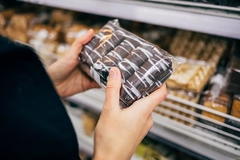
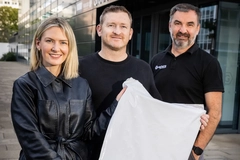 (Image credit: Duo Packaging).
Duo Packaging has launched a graphene-based PE flexible packaging film for retail and e-commerce bags in partnership with the University of Manchester’s Graphene Engineering Innovation Centre (GEIC), UK.
The film solution, 2DPE, incorporates recycled content while maintaining tensile strength and tear resistance properties. Graphene is an extremely thin form of carbon that comes from the naturally occurring mineral graphite.
“Graphene is the strongest known material that, while being lightweight and flexible, conducts heat, can bend and flex, and is transparent. It’s an ideal technology for enhancing the performance of flexible packaging,” Zoe Brimelow, co-owner and brand director at Duo Packaging, tells Packaging Insights.
In trials with GEIC and e-commerce shopping retailer QVC, 2DPE enhanced material strength by up to 35% and increased the levels of recycled content used in packaging from 45% to 60%, according to Duo Packaging.
QVC also reportedly reduced the heat-sealing temperatures required to seal the bags by 15 degrees Celsius.
“[Our clients] want to reduce packaging weight and volume to manage regulatory costs and cut emissions, improve packing line efficiency, while protecting product quality and brand perception, and incorporate more post-consumer recycled content in packaging, without risking product failure or impacting operational output,” explains Brimelow.
“There was nothing available in the market that addressed all of this, so we set about creating our own solution, and that’s where 2DPE came from.”
Market-ready solution
As a result of the trial, QVC switched from standard auto-bagging film to 2DPE at its fulfillment center in Liverpool, UK. Duo Packaging says that this is expected to save approximately 50 metric tons of virgin plastic and 148,000 metric tons of carbon annually.
Brimelow underscores: “QVC wanted to reduce the amount of plastic used in its auto-bagging film and increase the use of recycled material to lower its carbon footprint and dependency on virgin plastics.”
“Using 2DPE technology enables the company to achieve these goals, and it was even able to reduce the temperatures on the heat-sealing part of the auto-bagging machine.”
In the trial, thickness was reduced from 30 microns to 28 microns, meaning the film was approximately 5% lighter than QVC’s previous solution, potentially saving the e-commerce retailer £21,150 (US$27,960) in packaging EPR fees per year.
The research and development of 2DPE was funded through the Innovation Navigator Program (GM Business Growth Hub), launched by former Greater Manchester Mayor and now UK Prime Minister, Andy Burnham.
Mark Dickie, applications manager of the GEIC, says: “Duo’s innovation is delivering something we’ve never seen before in flexible packaging and has created an advanced material that can support retailers to transition to a circular economy.”
Scaling beyond e-commerce
The next step of the solution is scaling 2DPE beyond its initial function in e-commerce mailing bags and auto-bagging films.
“We’ve had success with QVC and mailing bags, as well as extremely positive feedback from another client that 2DPE delivered more results than it hoped for,” remarks Brimelow.
“For it to be widely used across retail and e-commerce, it’s a case of retailers and brands being able to see the results for themselves.”
In a recent conversation with Packaging Insights, Brimelow said the UK’s Plastic Packaging Tax unintentionally disadvantages bio-based plastics by treating them in the same way as fossil-based plastics.