

UK Plastic Packaging Tax sidelines bio-based alternatives, warns Duo Packaging

Key takeaways
- The UK Plastic Packaging Tax applies to fossil- and bio-based plastic packaging containing less than 30% recycled plastic, aiming to stimulate recycling and divert waste from landfill or incineration.
- HMRC reports that businesses have declared around 5.8 million metric tons of packaging containing at least 30% recycled plastic since the tax was introduced in 2022.
- Duo Packaging supports the tax’s circularity goals but argues that bio-based plastics should receive comparable incentives.

The UK’s Plastic Packaging Tax (PPT) has drawn criticism from Duo Packaging, which argues that the policy unintentionally disadvantages bio-based plastics by treating them in the same way as fossil-based plastics.
The PPT, introduced in 2022, requires manufacturers to pay a tax if they have produced or imported plastic packaging components in the UK — including bio-based plastics — that contain less than 30% recycled plastic.
HM Revenue and Customs (HMRC) recently revealed that businesses have declared around 5.8 million metric tons of plastic packaging containing 30% or more recycled content since the tax was introduced.
Duo Packaging analysis estimates that this amount has a carbon footprint of 13.90 million metric tons CO2 equivalent per metric ton (e/t), which is around 3.26 million metric tons less than the same amount of virgin plastic packaging.
The UK-based packaging provider argues that the same volume of packaging could have had a net carbon-negative footprint of 12.30 million metric tons of CO2 e/t if companies had “opted for bio-based, low-carbon alternatives.”
“The tax incentivizes the use of recycled plastic, which is a good move, but does so in a very blinkered way,” Zoe Brimelow, brand director at Duo Packaging, tells Packaging Insights. “It’s very much geared toward the recycling of traditional plastics, and doesn’t make allowances for innovative, low-carbon alternatives that are still in the early stages of adoption.
While Duo Packaging understands how the tax might save on carbon emissions, it highlights that the “overall environmental impact” could have been “carbon negative” if bio-based plastics were exempt from the tax.
Industry reaction
Industry reaction to the PPT is broadly supportive toward its circulatory objectives. The British Plastics Federation says that incentivizing recycled content is important, but note that in some cases, incorporating 30% recycled content is technically or legally difficult.
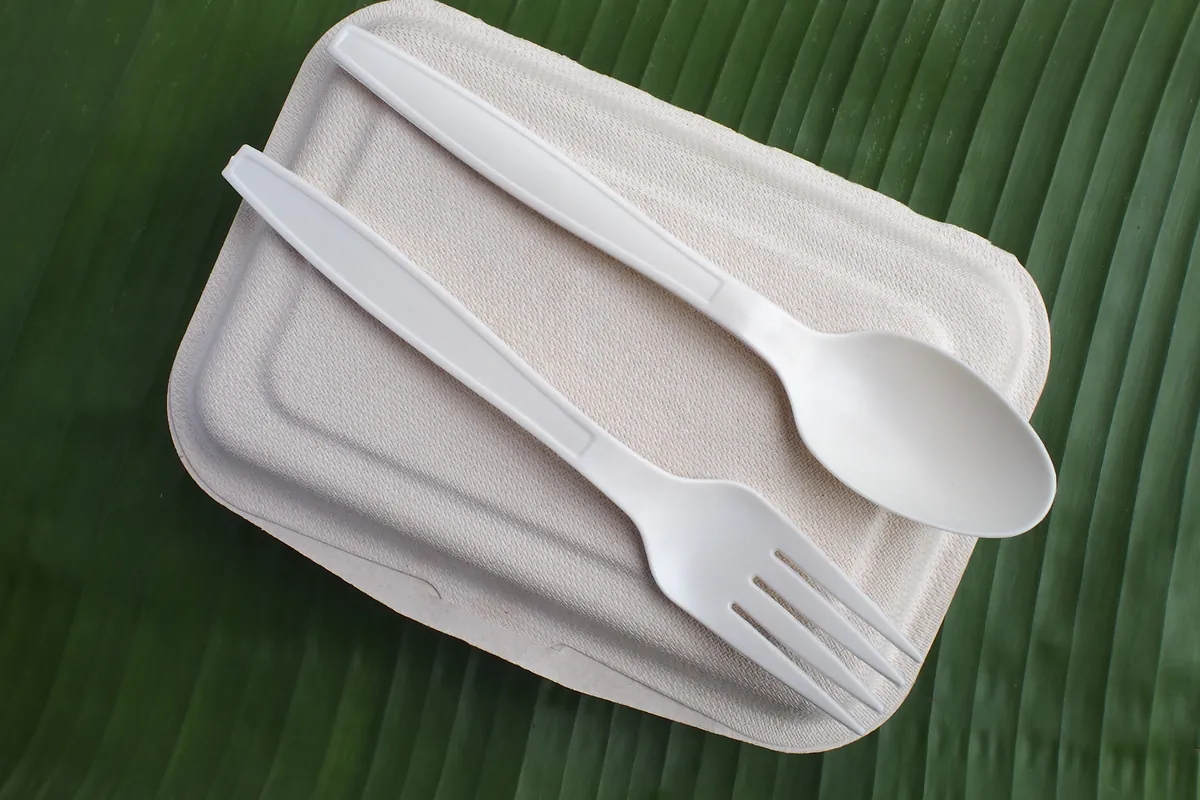 Duo Packaging argues that the PPT disadvantages bio-based plastics by subjecting them to the same recycled-content rules as fossil-based materials.The Waste and Resources Action Programme also welcomed the tax, highlighting that increasing demand for recycled content is significant to counter cheap virgin resin prices.
Moreover, Ecosurety expressed concern over enforcement, incentives, material scope, and how to use the tax revenue.
The UK government states that “the aim of the tax is to increase demand for recycled plastic and in turn stimulate increased levels of recycling and collection of plastic waste, diverting it away from landfill or incineration.” Previously, the government noted a “lack of consensus” among academics and industry over the environmental benefits of bio-based plastics.
Categorizing bio-based materials
Duo Packaging’s concerns are largely related to material scope, stating that the PPT too narrowly focuses on recycled-content targets and misses the opportunity to boost lower-carbon materials.
Brimelow says the adoption of bio-based plastics is still slow. This means that there is not much opportunity to recycle enough volume to create the recycled-content packaging that would be exempt from the PPT.
“A starting point could be to treat low-carbon, bio-based materials in the same way as packaging containing at least 30% recycled plastic,” explains Brimelow.
“Putting the materials on an even footing from a tax-exemption point of view would mean that procurement choices are based more on a material’s environmental performance, rather than trying to mitigate HMRC levies.”
Moreover, she says that some of the money that has been generated through the tax could be invested in bio-based plastics or other similar advanced materials.
 The UK government says the aim of the tax is to increase demand for recycled plastic and stimulate recycling and the collection of plastic waste.Brimelow explains: “Recycling and recyclability are important, but are very much at the end-of-life stage. Advanced packaging materials can create new opportunities for reducing material usage, lowering energy consumption during packaging manufacturing, and improving durability to support packaging reusability.”
Creating circularity
The official HMRC statistics also state that the PPT accrued £250 million (US$337.45 million) from 2025 to 2026, decreasing 4% compared to the previous year.
Of the plastic packaging manufactured in and imported into the UK, 37% was declared as taxable under the PPT. HMRC says that, out of the remaining 63% of plastic packaging, 51% met the 30% or more recycled plastic threshold, 11% was either exported, intended for export, or converted. Less than 1% was exempt because it was used for primary medical packaging.
Brimelow concludes: “There is an opportunity to reduce dependence on virgin fossil plastics and create a circular plastics economy using a combination of recycled and bio-based plastics, but this requires market conditions that favor these newer, low-carbon solutions.”
Recently, Amcor partnered with Tiptree to deliver certified 30% post-consumer recycled films for Tiptree’s shrink films and pallet stretch wrap. Tiptree’s move came ahead of changes to the UK PPT that are due to take effect in April 2027.