



EU glassmakers call for stronger Industrial Accelerator Act amid plant closures


Key takeaways
- FEVE is calling for stronger EU Industrial Accelerator Act provisions as high energy and carbon costs contribute to glass furnace and plant closures.
- The federation wants simplified permitting, flexible industrial acceleration areas, and support for hybrid furnaces, electrification, low-carbon gases, and increased cullet use.
- FEVE says better access to recycled glass and affordable energy is essential to protect European manufacturing, skilled jobs, and low-carbon packaging supply chains.
The European Container Glass Federation (FEVE) sees the Industrial Accelerator Act (IAA) as a sign that European policymakers are placing industrial competitiveness “back at the heart of their policy agenda.”
However, FEVE also asserts that alongside measures to accelerate industrial decarbonization, the EU must address “persistently” high energy and carbon costs and improve access to high-quality cullet — recovered glass used in the production of new glass packaging and a critical raw material for the glass sector.
“Combined with growing competition from alternative packaging materials and non-EU producers, these cost pressures have led to an unprecedented wave of plant closures (six in one year) and furnace closures,” Carlo Pirrone, secretary general at FEVE tells Packaging Insights.

“Only by tackling these challenges together can Europe preserve a container glass industry that supports high-value manufacturing, resilient supply chains, skilled jobs, and the transition to a more circular, low-carbon economy.”
The European Commission proposed the IAA framework in March with the aim of accelerating industrial investment and decarbonization in strategic sectors, impacting packaging production, including glass, steel, aluminum, and net-zero technologies.
“We welcome the proposed list, which explicitly recognizes container glass as a strategic industrial sector. Our sector supports Europe’s global trade strength by enabling exports of high-value goods, from F&B to pharmaceuticals and cosmetics, worth more than €140 billion (US$159.9 billion) and representing 6.1% of total EU exports,” Pirrone continues.
Competitiveness challenges
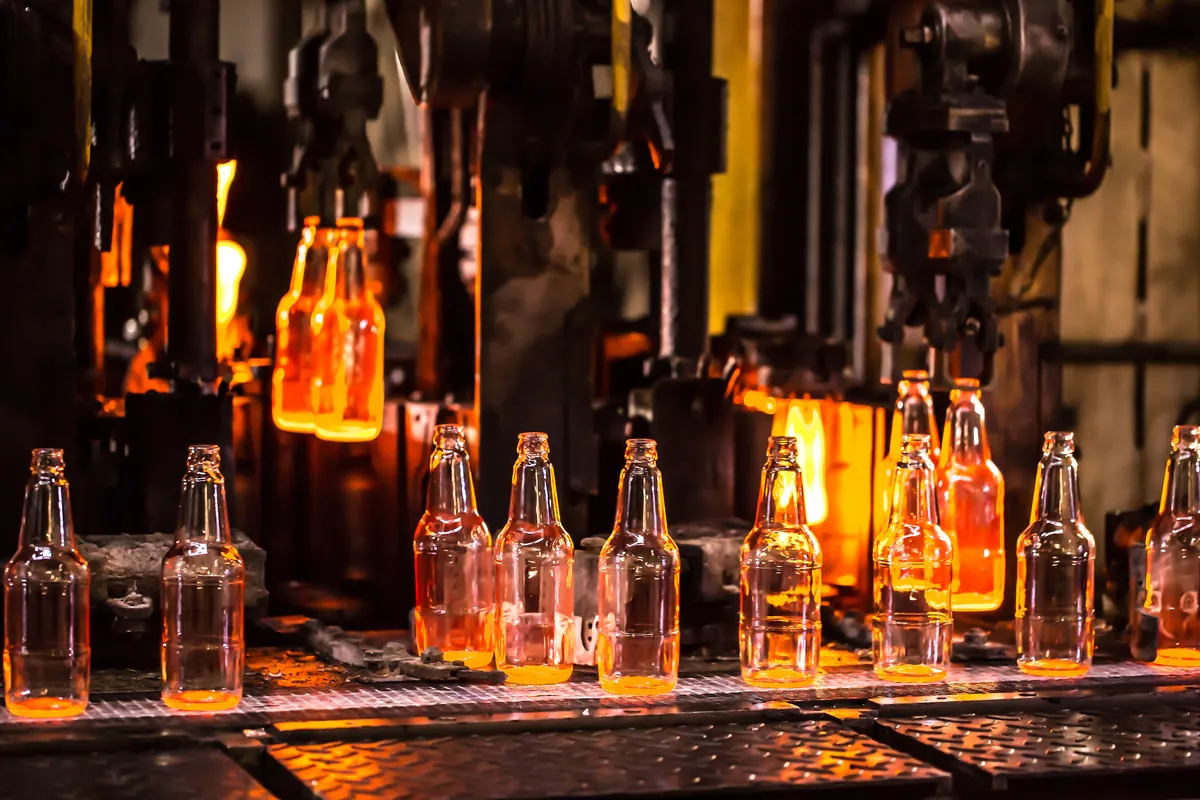 The high energy and carbon costs are the most pressing issue for the EU glass container industry, FEVE says.The EU glass container industry’s most pressing competitiveness challenge is the “persistently high” cost of energy and carbon, FEVE’s Pirrone argues.
“Electricity prices remain well above pre-2022 levels, increasing operating costs while weakening the business case for further electrification as a decarbonization pathway. At the same time, carbon costs under the EU Emissions Trading System are expected to increase, even though low-carbon technologies remain expensive or are not yet commercially viable at scale.”
Pirrone says it has consistently raised these concerns with EU policymakers and that it welcomes the “growing recognition and efforts” in Brussels to address such challenges. “However, further action will be needed to reduce energy and carbon cost pressures and safeguard the long-term future of the container glass sector.”
“Glass is a durable, safe, and infinitely recyclable packaging material. Container glass is essential not only for these value chains but also to reach Europe’s competitiveness and decarbonization ambitions,” adds the spokesperson.
Strengthening IAA
Pirrone says that the IAA is a “first step and a strong policy signal” that can strengthen the EU’s container glass manufacturing base, but only if several provisions are clarified and strengthened to deliver tangible results for the sector.
Firstly, the Act should ensure that a designation as a “strategic industrial sector” confers the previously promised benefits, such as permitting provisions, which should work to support the sector by applying to new and existing installations, he outlines.
“EU member states should have sufficient flexibility under the IAA when designating industrial manufacturing acceleration areas to allow strategic sectors with more decentralized production, such as container glass, to benefit from these areas.”
“The IAA should further ensure the recognition of a diverse range of decarbonization pathways pursued by the container glass sector, including hybrid furnaces, electrification, low-carbon gases, and increased use of cullet.”
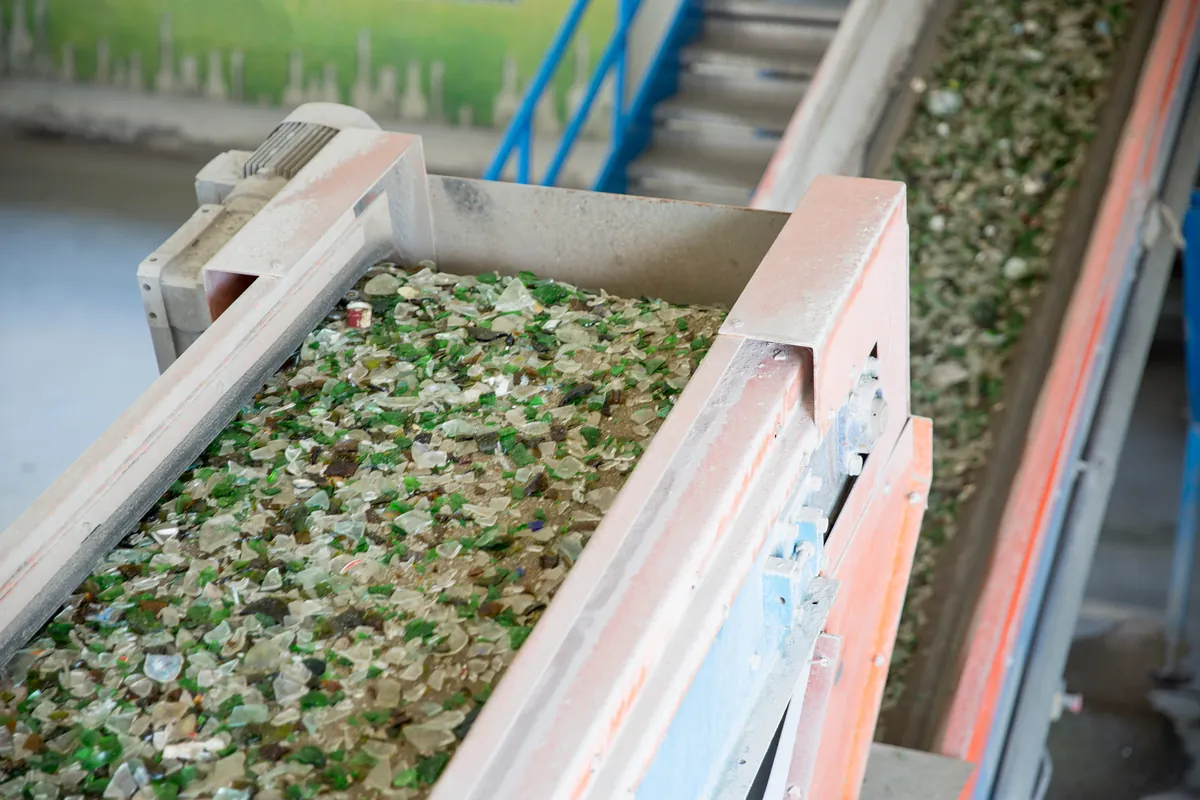 Hybrid furnaces, biomethane, and cullet availability are to the decarbonization of glass production, according to FEVE.Furthermore, the Act should not create unintended cost increases for European manufacturers, particularly for the equipment needed to deploy net-zero technologies and generate renewable energy on site, FEVE adds. The legislation should make it easier, not more expensive, for industry to invest in decarbonization, according to Pirrone.
Decarbonizing energy sources
Pirrone tells us more about the role of hybrid furnaces, biomethane, and increased cullet availability in supporting the decarbonization of container glass production.
“Around 80% of the sector’s emissions come from the combustion of natural gas in glass furnaces, while the remaining 20% are process emissions resulting from the decomposition of carbonates in virgin raw material,” he explains.
“Hybrid furnace technologies can significantly reduce combustion emissions by replacing around 40–80% of the natural gas used in a furnace with electricity. The remaining fossil fuel share will have to be replaced with low-carbon gases such as biomethane.”
He says that these technologies are “proven and effective” pathways to decarbonization because they overcome many of the current limitations of fully electric furnaces, including lower production volumes, challenges in producing colored glass, and constraints when using high levels of cullet.
“Increasing the availability of cullet is equally important. Using more recycled glass reduces the need for virgin raw material. This lowers process emissions, while also requiring less energy to melt, thereby reducing overall energy consumption and associated emissions.”
FEVE points to a report by Close the Glass Loop, representing the glass packaging collection and recycling industry in the EU, that found the collection for recycling across the bloc reached 82.2% in 2024.
“This performance underlines the efficiency and effectiveness of separate collection systems across Europe, especially when considering that 85% of all collected glass packaging is recycled back into bottle-to-bottle production.”
EU Regulations, EU Glass Industry, Container Glass, Industrial Accelerator Act, FEVE, Glass Packaging, Furnace Closures, Plant Closures, Energy Costs, Glass Recycling, Recycled Glass, Cullet, Decarbonization
The high energy and carbon costs are the most pressing issue for the EU glass container industry, Pirrone says.