



EU probes Omya over calcium carbonate supply to paper packaging market

Key takeaways
- The EC is investigating whether Omya has taken advantage of its dominant position in Europe’s calcium carbonate market.
- Regulators are examining alleged exclusive purchasing obligations and rebates that may have restricted competing suppliers.
- The probe comes as demand for paper-based packaging grows under the EU’s PPWR and broader plastic-reduction efforts.

The European Commission (EC) is investigating whether Omya, a Switzerland-based calcium carbonate supplier, has “abused a dominant” position in the paper market.
Calcium carbonates are a mineral compound used in paper packaging as fillers and coating pigments. They are also used to help manufacturers achieve a whiter, smoother, more printable surface while reducing fiber use.
According to the EC, Omya is the largest supplier of calcium carbonates in the European Economic Area (EEA). It told Reuters it is cooperating with the EC’s investigation but has not publicly commented in detail on the allegations.
The formal antitrust investigation aims to find out if the minerals company has pursued exclusive purchasing obligations in the market by requiring its customers to purchase all their calcium carbonates from Omya.

“Calcium carbonates are key to Europe’s paper and cardboard industry,” says Teresa Ribera, executive VP for Clean, Just, and Competitive Transition at the EC.
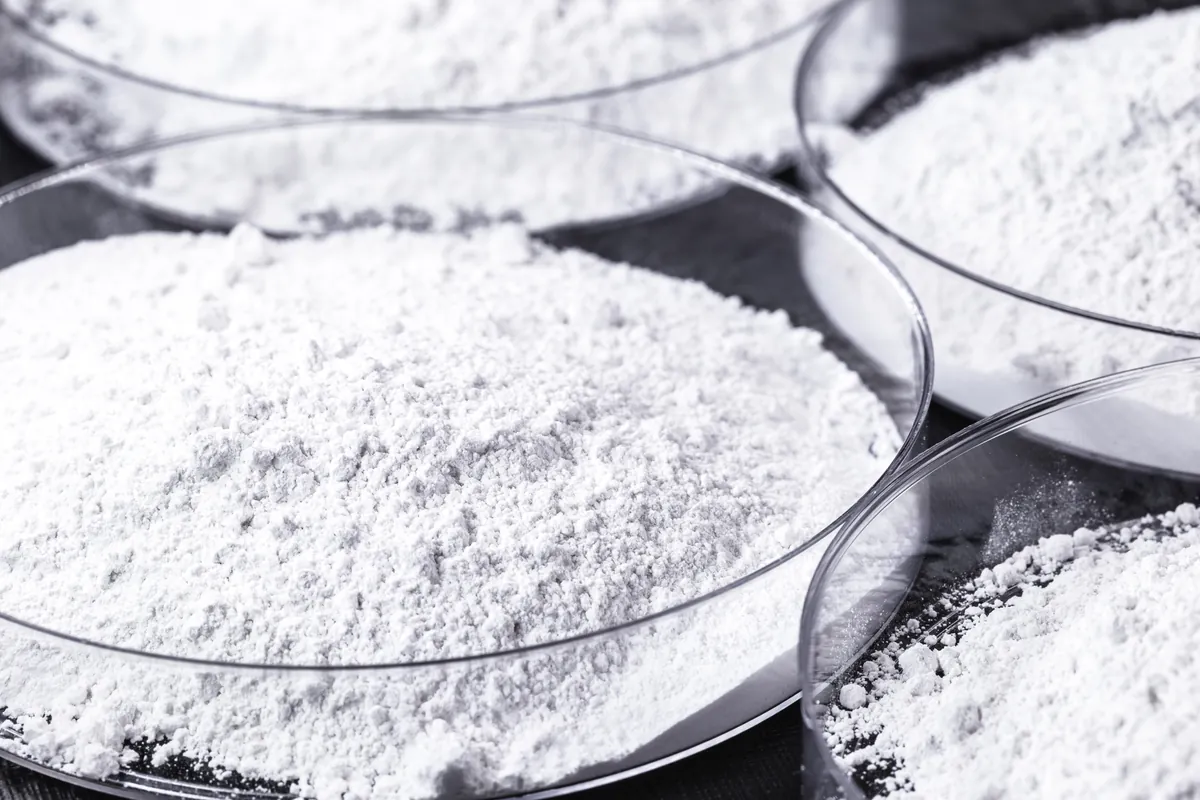 Calcium carbonates are a mineral compound used in paper packaging as fillers and coating pigments.“As Europe increasingly turns to paper-based packaging as an alternative to single-use plastics, ensuring a competitive paper supply chain is more important than ever. This is why we are investigating whether Omya has used exclusivity practices to shut out competing suppliers and restrict customers.”
The investigation will also assess whether Omya has pursued an exclusivity rebate market strategy, which involves providing customers with financial incentives to source all or most of their calcium carbonates from the company.
EU competition rules
The EC says that it is “concerned” that Omya’s practices may have limited other suppliers of calcium carbonates to “effectively compete” in the European paper industry.
“Competitive and affordable supplies of calcium carbonates are important for the industry because these can reduce input costs for paper mills,” states the EC.
Omya’s market strategies are under investigation for potentially breaching Article 102 of the Treaty on the Functioning of the EU and Article 54 of the EEA Agreement.
There is no legal deadline for antitrust investigations, with their duration depending on the complexity of the case, cooperation with the EC, and the exercise of the right of defense.
Demand in paper packaging
The EC positions the investigation as crucial to paper packaging supply, which is “increasingly used as an alternative to single-use plastic packaging.”
The EU’s Packaging and Packaging Waste Regulation (PPWR) is pushing suppliers to innovate alternatives to plastic. Major FMCG companies such as Unilever, Nestlé, PepsiCo, Procter & Gamble, Colgate-Palmolive, and Mars launched The PaperFlex Consortium, alongside The Ellen MacArthur Foundation, to “accelerate the development” of paper-based packaging.
Meanwhile, industry innovations include Mondelēz International’s transition from PET trays to FSC-certified paper trays across its European cookie range, impacting more than 115 cookie products across eight brands, including Milka, Cadbury, Marabou, and Chips Ahoy!
Last month, Tetra Pak advanced into the sweet and dessert category with its Ice Cream Wrap made from up to 85% paper.
The PPWR is also driving suppliers to remove multi-layer plastic barriers, which are often used in paper packaging. Packaging Insights previously spoke to Koehler, Sappi, Paptic, and Metsä Board about the fiber-based barrier solutions that are engineered to match plastic performance and total cost.