
Webinar preview: GEA unpacks seafood packaging and processing trends
Key takeaways
- In an upcoming webinar with GEA and Innova Market Insights, we will look at how convenience, new formats, and recyclability are reshaping fish and seafood packing and processing.
- The webinar will explore how automation, thermoforming, and intelligent loading can help processors improve efficiency and reduce product giveaway.
- The speakers will share why packaging flexibility and material innovation will be critical to meeting the next generation of seafood production requirements.

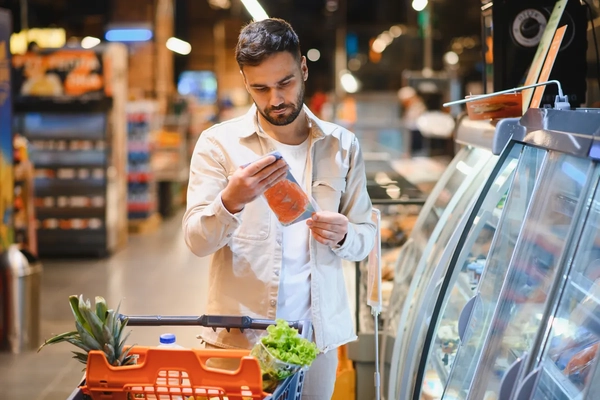
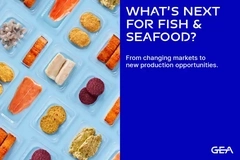
GEA and Innova Market Insights will dive into the latest innovations in fish and seafood packaging and processing technologies in an upcoming webinar hosted by Packaging Insights.
Detlef Volmer, director of technology customer consulting for thermoforming, slicing, and loading at GEA Food Solutions Germany, and Ekaterina Tretyakova, consultant at Innova Market Insights, will explain how shifting market requirements are transforming seafood packaging production.
Volmer and Tretyakova will combine their technological expertise and independent market intelligence during the session titled “What’s next for Fish & Seafood? From changing markets to new production opportunities.”
Registration for the free webinar on December 3 at 2 PM CET is now open.

“New seafood products are increasing the variety that packaging lines need to handle,” Volmer tells us. “We are seeing different portion sizes, convenience-oriented products, marinated and seasoned seafood, and a broader range of fresh, chilled, and frozen formats.”
Tretyakova adds: “Health, convenience, and sustainability are driving innovation, encouraging air-fryer-friendly ready-to-cook products, smaller chilled and ambient portions, and recyclable packaging formats.”
As a result of these changing packaging requirements, Volmer sees fish and seafood processors increasingly requiring systems that can adapt to different products, pack sizes, and concepts without compromising product protection or efficiency.
Opportunities in integrated automation
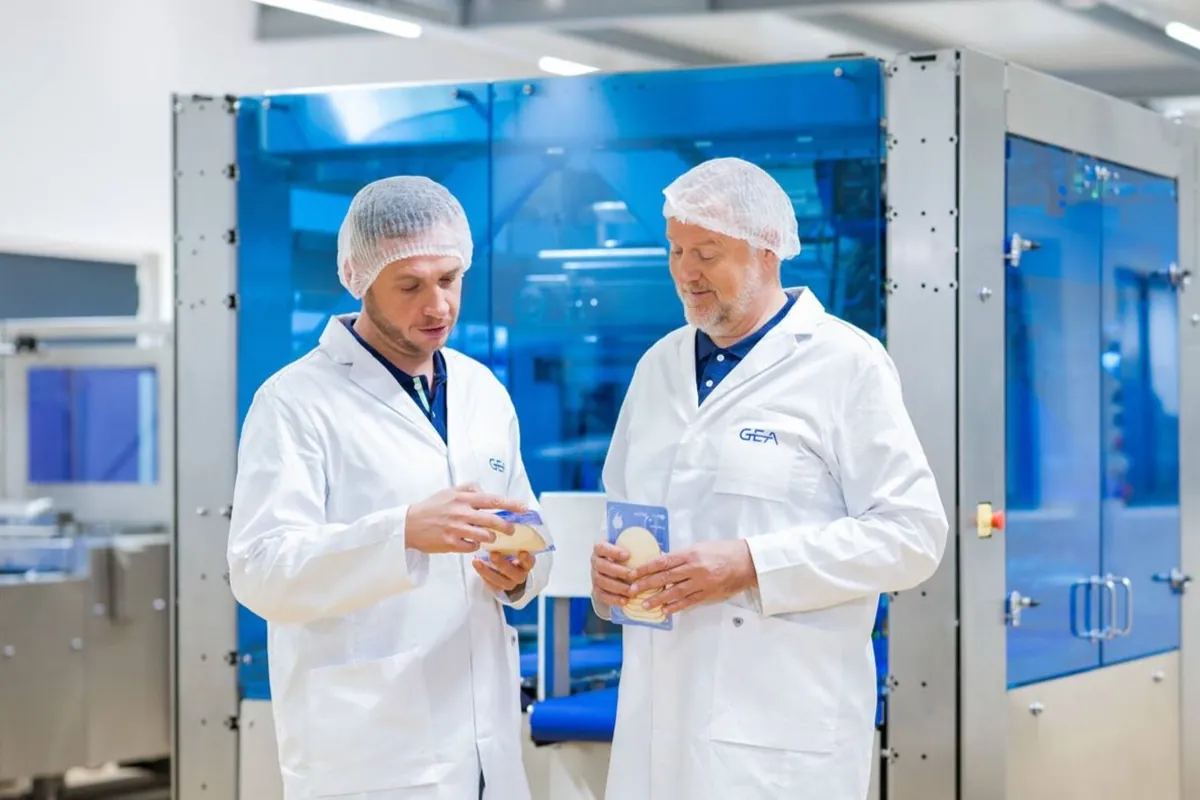 Volmer explains that thermoforming provides a highly automated way of forming, filling, and sealing packaging (Image credit: GEA).GEA will also highlight where new product and processing opportunities are likely to emerge in the fish and seafood space. The webinar will provide further insights into how fish and seafood companies can take advantage of the latest packaging equipment to stay ahead.
“The biggest opportunity comes from looking at loading and packaging as one integrated process,” Volmer points out.
“Thermoforming provides a highly automated way of forming, filling, and sealing packs. Meanwhile, automated loading can reduce repetitive manual handling and improve the consistency of product placement and pack weights.”
He notes that consistency is particularly valuable for seafood, where natural variation in portion weight and shape can make automation challenging.
“Systems that combine weighing, intelligent product allocation, robotic loading, and thermoforming can help processors reduce giveaway while maintaining an attractive and consistent pack.”
As an example, Volmer highlights how GEA helped the Danish seafood processor Danforel to reduce giveaway by around 50%, while minimizing manual handling by combining automated loading and thermoforming.
At the same time, fish and seafood processors are looking for flexible machinery that can handle diverse packaging formats. “Different customers and retail channels may require different portion sizes, materials, or packaging concepts, while product portfolios themselves are becoming more diverse,” the speaker elaborates.
“The key is not flexibility for its own sake, but being able to switch between products, pack dimensions, and packaging concepts with limited downtime while maintaining consistent quality and output.”
Packing fresh vs. frozen
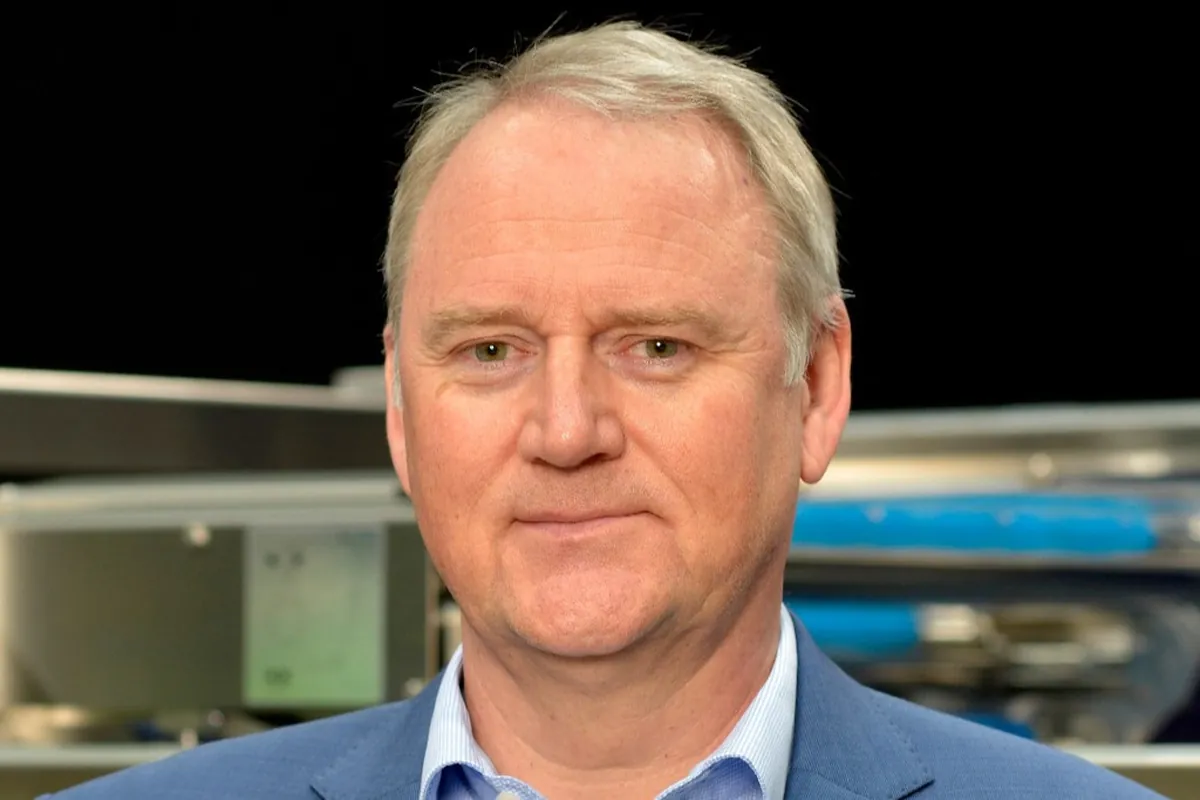 Detlef Volmer, director of technology customer consulting for thermoforming, slicing, and loading at GEA (Image credit: GEA).Further discussing the packaging and processing innovations defining the fish and seafood space right now, Volmer highlights the differences and similarities between solutions for fresh and frozen offerings.
“Fresh seafood is highly sensitive and requires excellent seal integrity, hygiene, and the right packaging atmosphere to support shelf life and product quality,” he details.
“Frozen products place different demands on materials and pack durability throughout freezing, storage, and distribution.”
Fresh and frozen seafood present different packaging challenges, but product protection is central to both, asserts Volmer. “Seafood production environments can also be demanding because of moisture, salt, and intensive cleaning routines.”
“Packaging equipment therefore needs to combine hygienic design, reliable sealing, and robust operation with gentle product handling.”
Meanwhile, Tretyakova outlines that fresh segment is growing faster than the frozen one, according to Innova Market Insights data from 10 countries in North America and Western Europe. Smoked salmon and frozen shrimp are among fast-growing segments in fish and seafood, with 13% and 6% CAGR[MN1.1] [Moving Annual Total (MAT) Aug 22–Aug 26], respectively.
These growth trends create opportunities for premium chilled skin packaging and innovative frozen formats, the consultant adds.
New materials, new challenges
Volmer hints that rather than exploring one single packaging technology, the upcoming webinar will explore the most notable opportunity in combining flexible packaging formats with automation.
“Machinery that can handle recyclable and alternative packaging materials will become increasingly important. The real opportunity is therefore an integrated approach where product handling, automation, packaging format, and material selection are considered together rather than as separate decisions,” he adds.
 Ekaterina Tretyakova, market insights consultant at Innova Market Insights (Image credit: Innova Market Insights).“This allows processors to respond more quickly to changing market requirements while protecting product quality and production efficiency.”
He highlights that the move toward recyclable packaging is making material flexibility much more important in machine design.
Tretyakova points to Innova Market Insights data showing that recyclability messaging appears on 46% of packaging launches (MAT Aug 2026), adding that carton is steadily taking inner-pack share from plastic.
“Convenience, portion control, and sustainability are likely to drive demand for ready-to-cook formats, reduced-plastic packaging, and recyclable monomaterial solutions,” she adds.
Volmer explains that such recyclable packaging is typically associated with monomaterial structures, thinner films, and paper-based concepts. These materials can behave differently during forming and sealing compared with conventional materials, according to the GEA expert.
“Packaging equipment therefore needs precise control of forming, sealing, and material handling to run these structures reliably at industrial scale.”
He shares that, for processors, sustainability often goes beyond selecting recyclable material. “The material also has to run consistently, protect the seafood, provide reliable seals, and support the required shelf life and output.”