


COP31: Island nations urge packaging brands to design for local realities
Key takeaways
- At COP31 in Antalya, Fiji and Vanuatu leaders said plastic pollution and climate change are linked crises hitting small islands hardest.
- Common Seas has released a report urging the Global Plastics Treaty to cut production and set harmonized packaging design rules.
- The NGO is calling for regional EPR schemes so island waste systems can be funded as climate infrastructure.

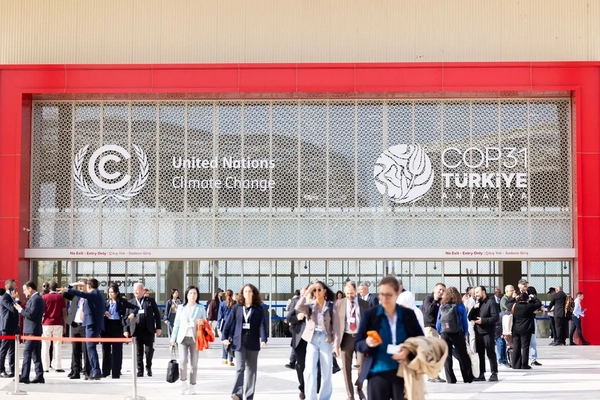
Plastic and climate change are inseparable issues, according to representatives of small island nations at the ongoing UN Climate Change Conference of the Parties (COP31), in Antalya, Türkiye.
Hon. Ralph Regenvanu, Vanuatu’s Minister for Climate Change, and Dr. Sivendra Michael, Fiji’s Permanent Secretary for Environment and Climate Change, called for stronger action to tackle plastic pollution at the COP31 (Nov 9 –20) Zero Waste Pavilion.
Small island nations are among the most vulnerable to climate change and ocean-bound plastic waste, including packaging. As a result, their leaders are calling for their circumstances to be considered at COP31 and at the next round of UN Global Plastic Treaty talks in March 2027.

Packaging Insights speaks to Charlotte Davies, executive director of Common Seas, a UK-based NGO focused on protecting the world’s oceans from plastic pollution, about the packaging industry’s “valuable opportunity to demonstrate leadership and send positive market signals to support practical sustainable solutions to plastic waste in small islands.”
Small Island Developing States (SIDS) governments and regional bodies have shown that they are ready to implement new approaches to EPR that work in their unique circumstances, according to Common Seas.
“From its production to its disposal, plastic packaging sits at the center of both crises for islands,” Davies tells us. “Plastic is made from fossil fuels, and its lifecycle already generates an estimated 4–5% of global GHG emissions, most of it during production.”
“Without action, those emissions are projected to rise from 1.8 to 2.8 billion tonnes of CO2e a year by 2040. So, for packaging producers, there’s a clear link. Reducing virgin plastic use in packaging has a direct impact on GHG emissions as well as waste.”
A climate issue beyond litter
During COP31, Common Seas and partners released The Plastic-Climate Nexus for SIDS,drawing on first-hand testimony and case studies from the Pacific Recycling Foundation and Unite Caribbean, focused on sustainable development.
 Charlotte Davies, executive director of Common Seas (Image credit: Common Seas).The paper is supported by the governments of Fiji, Vanuatu, Guinea-Bissau, and the Secretariat of the Pacific Regional Environment Programme, along with the Pacific Islands Development Forum.
The paper argues that plastic pollution is “not just a litter problem but a climate one,” adding that the two crises “feed each other with islands paying for both.”
“Most SIDS are net importers, relying on packaged goods, often over-packaged,” explains Davies. “But, as their markets are small, they have little influence over how those products are made or packaged. Once the packaging arrives, it becomes a local burden.”
“In small, remote islands, land for landfill is scarce, recycling markets are far away, and waste management costs are high. Too often, this results in practices like open burning, polluting the air and harming community health.”
Climate change then exacerbates the problem, Davies asserts. “Cyclones and storm surges damage waste systems and scatter debris. Single-use plastics block drains and worsen flooding, as communities in Barbados, Trinidad, and Fiji have seen.”
“From there, it is a compounding spiral, with disaster relief often bringing a fresh wave of single-use packaging, and the pollution in turn degrades the reefs and mangroves that protect islands from those same storms.”
In Tuvalu, one of the world’s smallest nations, the main landfill site is next to coastal lagoons and is highly vulnerable to damage from tidal surges.
Harmonized packaging rules
Discussing the global packaging industry’s role in reducing plastic pollution in SIDS, Davies call for the phase out of designs that island nations cannot manage.
“ ‘Recyclable’ means nothing on an island with no realistic recycling routes where recyclate volumes are small, and end markets are thousands of kilometers away.”
“The most effective change therefore requires upstream measures,” she continues. “These include eliminating problematic and avoidable items such as single-use bags, polystyrene, and sachets. Several small island states, particularly in the Pacific, are already implementing bans on these high-impact products.”
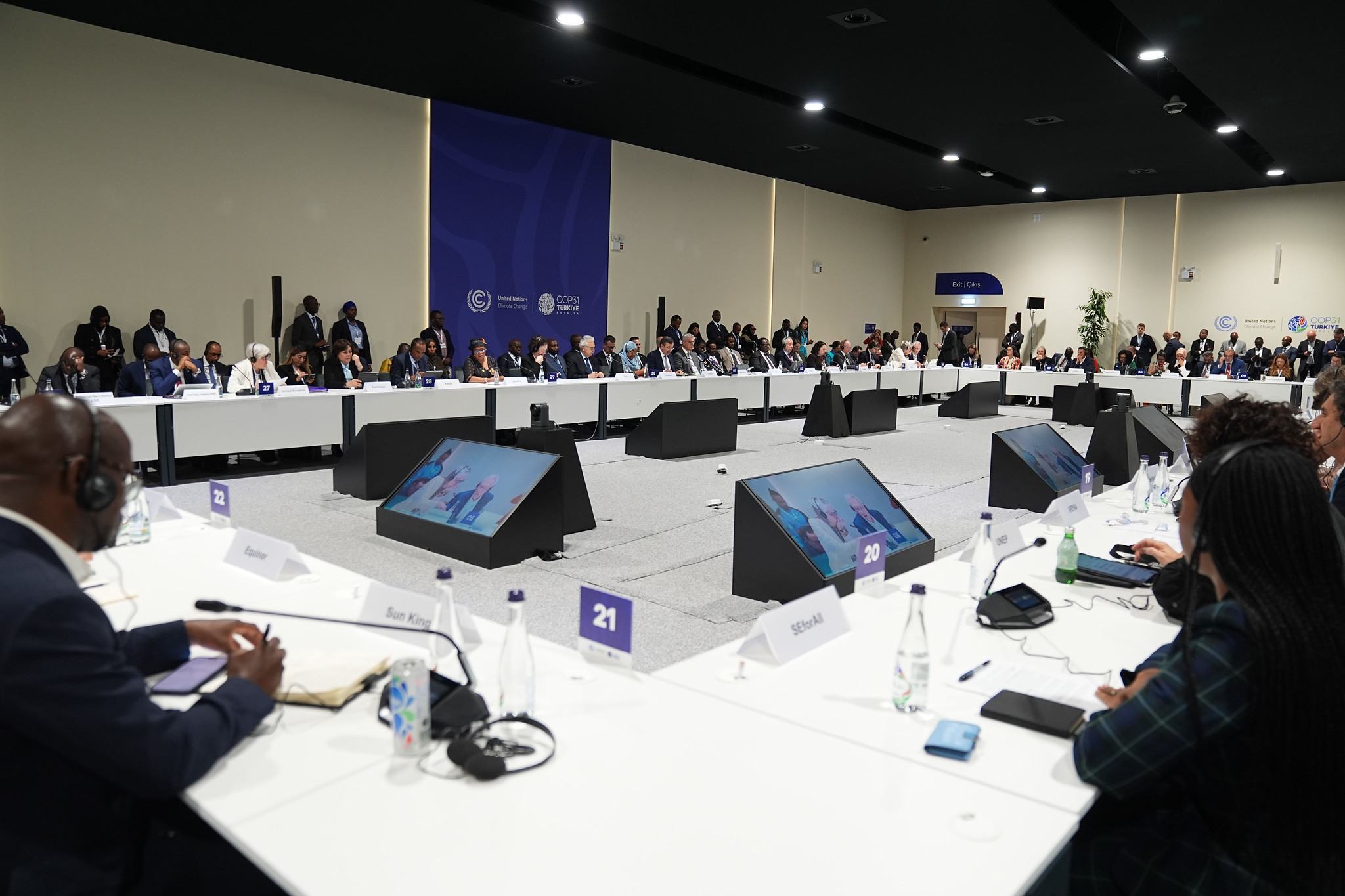 At COP31, island nations call for packaging designs that reflect local waste management and recycling realities (Image credit COP31).Key upstream interventions also include cutting “unnecessary” packaging on imported goods, designing for reuse and refill, and removing chemicals of concern to human health, Davies outlines.
Previously, Packaging Insights discussed the importance of designing packaging suitable for SIDS with the National Environment Service of the Cook Islands, the Samoa Conservation Society, and Oceana. We also spoke to the TUI Care Foundation about its packaging recycling project in Curaçao.
Davies continues: “While many SIDS are demonstrating leadership in addressing plastic pollution on a domestic level, they have very little market power on their own, so these changes need to happen at a global level, not just at the island border.”
For this reason, SIDS and Common Seas are emphasizing the importance of establishing harmonized design rules through a Global Plastics Treaty, circular business models, and EPR fees that reward better design.
In another recent interview with Packaging Insights, Julio Cordano, Chair of the UN Intergovernmental Negotiating Committee on Plastic Pollution, disputed NGO concerns regarding the omission of plastic production and accountability in his Global Plastics Treaty “Aid to Negotiations.”
Industry support for a Global Treaty
Common Seas says that a potential UN Global Plastics Treaty could “vastly accelerate” solutions to the effects of plastic pollution on island nations. Daviess adds that it is equally important to act now.
“Islands cannot recycle their way out of a problem of this scale and complexity. So, the treaty must cover the whole lifecycle of plastics, with measures to reduce production, eliminate problematic products and chemicals of concern, and improve product design,” notes Davies.
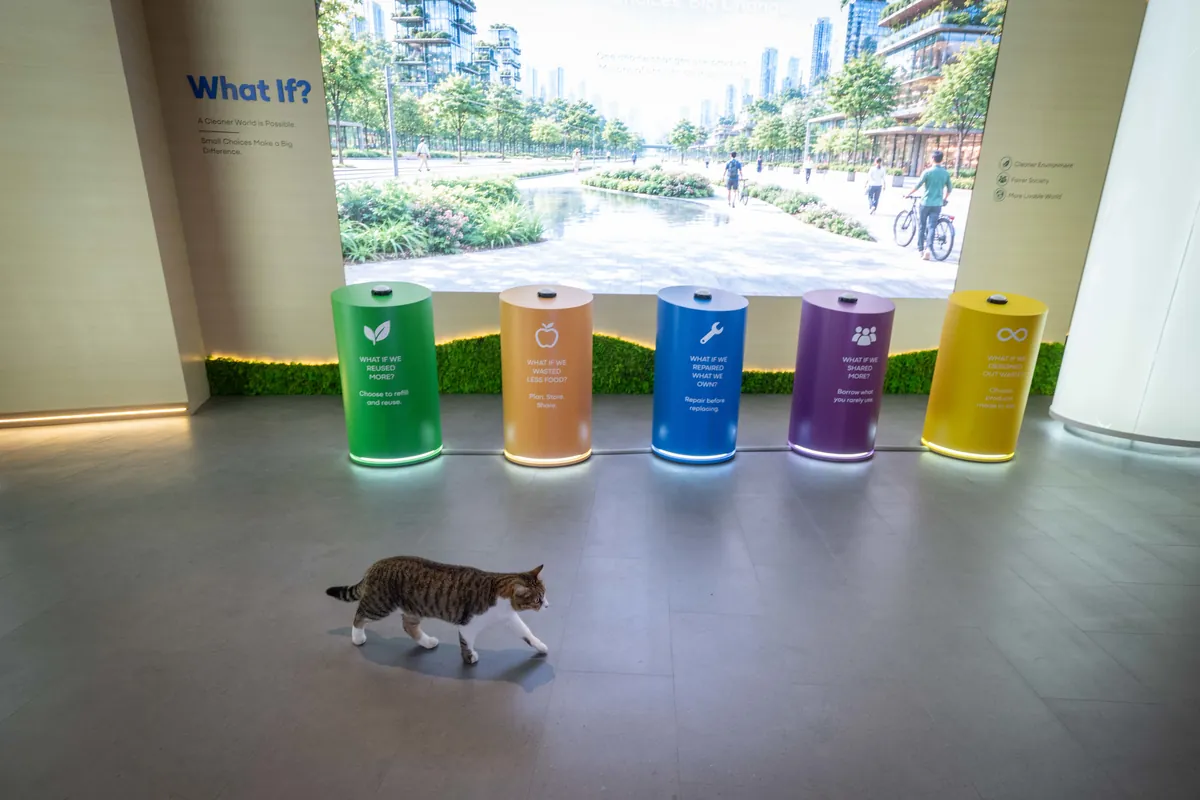 Common Seas urged the Global Plastics Treaty to address plastic production, packaging design, and waste management (Image credit COP31).For SIDS specifically, she argues the treaty should recognize their special circumstances through substantive provisions, not just preamble language. “It should build climate risk into its rules on preventing and cleaning up pollution, including plastic that arrives from beyond their borders.”
A Global Plastics Treaty that takes the needs of SIDS into consideration should provide finance that is accessible, predictable, grant-based, and additional, according to the NGO. It adds that the Treaty should legally require harmonized EPR, with tailored support for remote geographies, such as a global EPR hub.
“This requires support from all sectors, to be ahead of the rules when they arrive and ensure they work well for all,” Davies points out.
“For packaging brands, there are several things to do now: Look for ways to reduce packaging and design for the recovery options that islands have. Share data and participate in joint initiatives to plan fair fees and standards, and support regional EPR and reuse pilots before they become mandatory.”
Ahead of INC-5.4 in March 2027, island governments are asking negotiators to make sure the Plastics Treaty and the climate process work together on island shores, where their impacts meet, Common Seas highlights.
“Organizations from across sectors can endorse the calls to action and continue to be part of the solutions,” says Davies.
Island EPRs
Davies further explains how packaging EPR schemes can support waste collection and recycling in SIDS.
“On a small island, a waste system is also climate infrastructure, which needs adequate financing. EPR is a proven tool for generating dedicated, ongoing funding for waste management at the scale needed.”
She notes that EPR schemes designed for large markets cannot simply scale down to small islands, where volumes are small, populations are dispersed, and transport costs are high.
 Regional EPR schemes could help island nations fund waste collection, recycling, and climate-resilient infrastructure (Image credit COP31).“Our research with Circulearth, The Waste and Resources Action Programme, Africa Circular, the Australia, New Zealand and Pacific Islands Plastics Pact, and the Global Plastics Policy Centre, found that a regional approach could overcome many of these constraints and improve investment conditions.”
Under such a regional scheme, neighboring islands could pool resources, share infrastructure, and align rules, she details. “Forty organizations have endorsed that vision, including Nestlé, WWF, and several SIDS governments. We are now exploring the first regional scheme in a SIDS context with the Indian Ocean Commission.”
EPR in SIDS should also be built for climate reality, Davies highlights. She says that the fees should cover clean-up, collection, recycling, informal waste workers, and reuse. The waste systems should be treated and financed as climate infrastructure that keeps running through cyclones and floods, she adds.
“Beyond EPR, some island states have backed a fee on primary plastic polymer production to help fund the clean-up of legacy marine plastic that washes up on their shores.”
“This would be a means of supporting the people who already do much of this work. Informal collectors are among the most exposed when disasters strike, and the extra money from this fee could be channeled into protections for them.”