

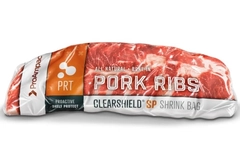


FSSC warns packaging reduction can drive food waste if protection fails

Key takeaways
- The foundation FSSC warns that reducing packaging material can increase food loss and waste if protection, shelf life, or usability are compromised.
- Packaging design should be assessed case by case, considering food type, supply chain conditions, and regulatory requirements.
- FSSC 22000 Version 7 aims to strengthen requirements for packaging design to support food waste prevention.
 Antoinette Maake, technical officer at Foundation FSSC (Image credit: Foundation FSSC).
Material reduction innovations are growing across the F&B industry as regulations and sustainability targets attempt to reduce packaging waste. However, Antoinette Maake, technical officer at Foundation FSSC, warns that only when essential food-protection and usability functions remain “fully effective,” can material reduction contribute to environmental benefits.
Foundation FSSC is the Foundation for Food Safety Certification, an independent NGO based in the Netherlands that manages the FSSC 22000 food safety certification scheme.
Maake argues that producers must design packaging on a case-by-case basis, as products are influenced by a variety of factors, such as food category, supply chain conditions, consumer needs, and regulatory requirements.
Packaging Insights sits down with Maake to discuss the Foundation FSSC’s work on helping F&B businesses address food waste and material reduction efforts.
Why does reducing packaging material not always result in a lower overall environmental impact?
Maake: For food, packaging’s main role is to contain, protect, maintain quality and shelf life, and enable safe storage and use. A truly sustainable solution isn’t just “less packaging” but designing packaging that provides necessary protection with minimal environmental impact.
A packaging option that uses less material might seem better at first, but if it’s prone to damage, offers poor barrier protection, shortens shelf life, or can’t be resealed, it can lead to unnecessary food loss and waste (FLW).
Globally, households, food service, and retail wasted about 1.05 billion tons of food in 2022, representing 19% of food available to consumers, according to UN Environment Programme’s Food Waste Index Report. Separately, the UN’s Food and Agriculture Organization estimates that 13.3% of food was lost after harvest and before reaching retail in 2023. Combined, FLW accounts for 8–10% of worldwide GHG emissions, nearly five times the emissions from the aviation sector.
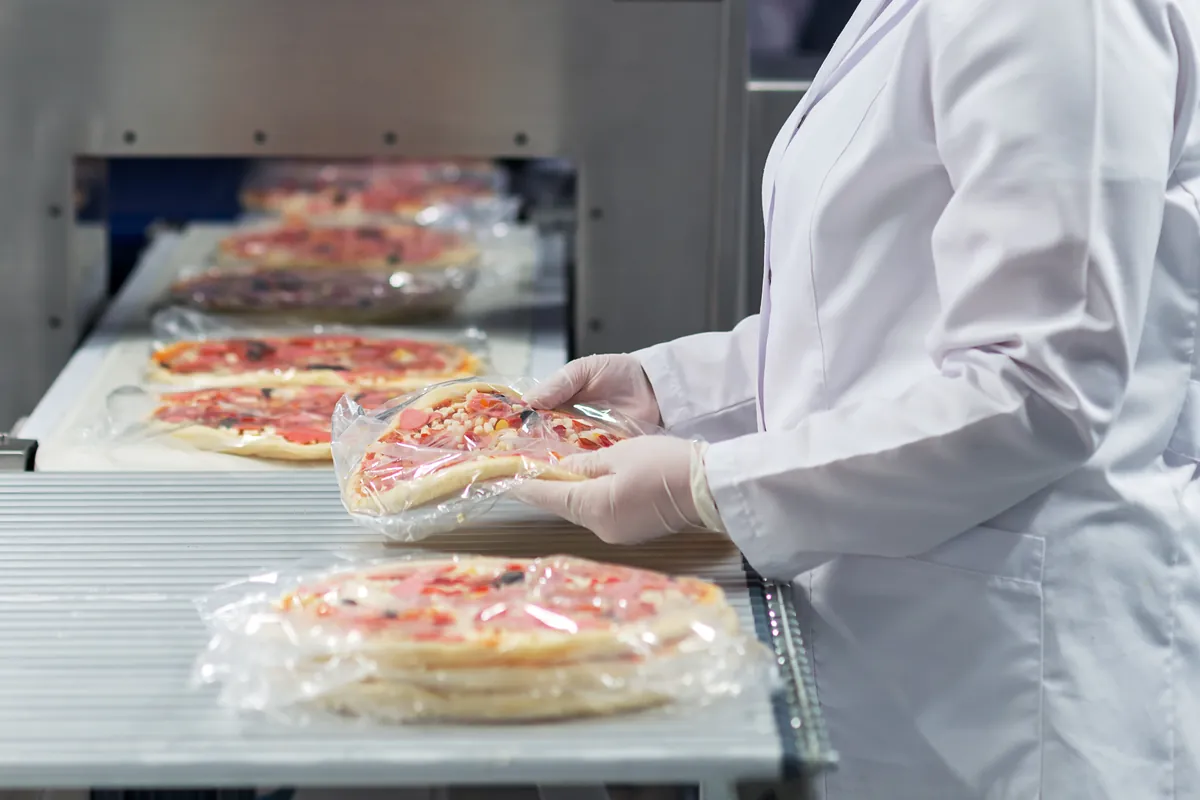 Maake says material reduction only adds sustainability benefits when packaging continues to protect food effectively.In practice, companies should adopt a balanced, evidence-driven strategy. Reducing packaging material can be advantageous if it still provides essential protection, shelf life, and usability. However, decreasing material in a way that causes more FLW would negate the intended sustainability benefits.
Which packaging design features are most effective in preventing food spoilage?
Maake: There is no single “perfect” packaging design feature that prevents food damage and spoilage while reducing total waste across the supply chain. Packaging design teams need to assess the most appropriate packaging solution for each product case. The right approach will vary by food category, supply chain conditions, consumer needs, and regulatory requirements. Considering these dimensions together enables product developers, packaging technologists, sustainability teams, and food-safety professionals to evaluate packaging design more holistically.
For example, a carbonated soft drink requires packaging with sufficient structural strength to withstand internal pressure and prevent leakage during storage and distribution. Structural integrity, however, is only one of the many packaging functionalities that help keep edible products safe.
Cheese, by contrast, may require a more complex barrier design to support prolonged aging, when required. Effective oxygen and moisture barriers can help prevent oxygen ingress that may promote aerobic mold growth while retaining moisture to keep the cheese from drying out or losing weight. In addition, the packaging must withstand heavy loads and stacking pressure during handling and storage.
In both cases, the central principle is that packaging does not exist independently of the food it protects or the system in which it is used. Its effectiveness depends on the product, the supply chain, infrastructure, relevant loss and waste risks, and how consumers handle and use it.
How can companies balance material reduction with preservation and consumer usability?
Maake: From a food safety management perspective, FSSC recognizes that packaging must do more than use less material: it must protect food effectively, preserve quality and shelf life, and support consumer use. Material reduction can be an important sustainability objective, but it should never compromise packaging performance or food safety.
 Maake stresses that packaging design should reflect the product and the conditions it faces across the supply chain.The Australasian Institute of Packaging’s (AIP) Save Food Packaging Design Principles offer a useful framework for organizations designing packaging and packaging materials.
Developed by AIP together with Royal Melbourne Institute of Technology University and End Food Waste Australia, and subsequently globalized through the World Packaging Organization, the principles help F&B businesses consider how packaging can minimize FLW while continuing to meet food safety, quality, and sustainability objectives.
FSSC 22000 Version 7 incorporates applicable FLW reduction aspects of these principles into its product design and development requirements for organizations that design primary packaging or packaging materials. This reflects our role as a Food Safety Management System Certification Scheme owner, facilitating resilient packaging solutions that protect food and help prevent avoidable FLW, with food safety as the overriding principle.
The scheme does not prescribe packaging material reduction targets or specific packaging material choices, while it is still recommended that these are considered within the design of packaging or packaging material.
Rather, under Part 2 of the scheme, clause 2.5.13 (g), it requires organizations that design primary packaging and packaging material to consider whether packaging design can effectively contain and protect products from spoilage and damage, preserve and extend shelf life, minimize FLW, and provide clear consumer handling, storage and preparation instructions.
Only when these essential food-protection and usability functions remain fully effective can material reduction add sustainability benefits.
How should packaging teams measure and demonstrate their contribution to waste prevention?
Maake: Packaging manufacturers in Food Chain Category I under FSSC 22000 are not required to set FLW reduction objectives or use prescribed measurement techniques. However, understanding the requirements applicable to their food manufacturing customers is important for designing packaging that supports broader waste-prevention efforts.
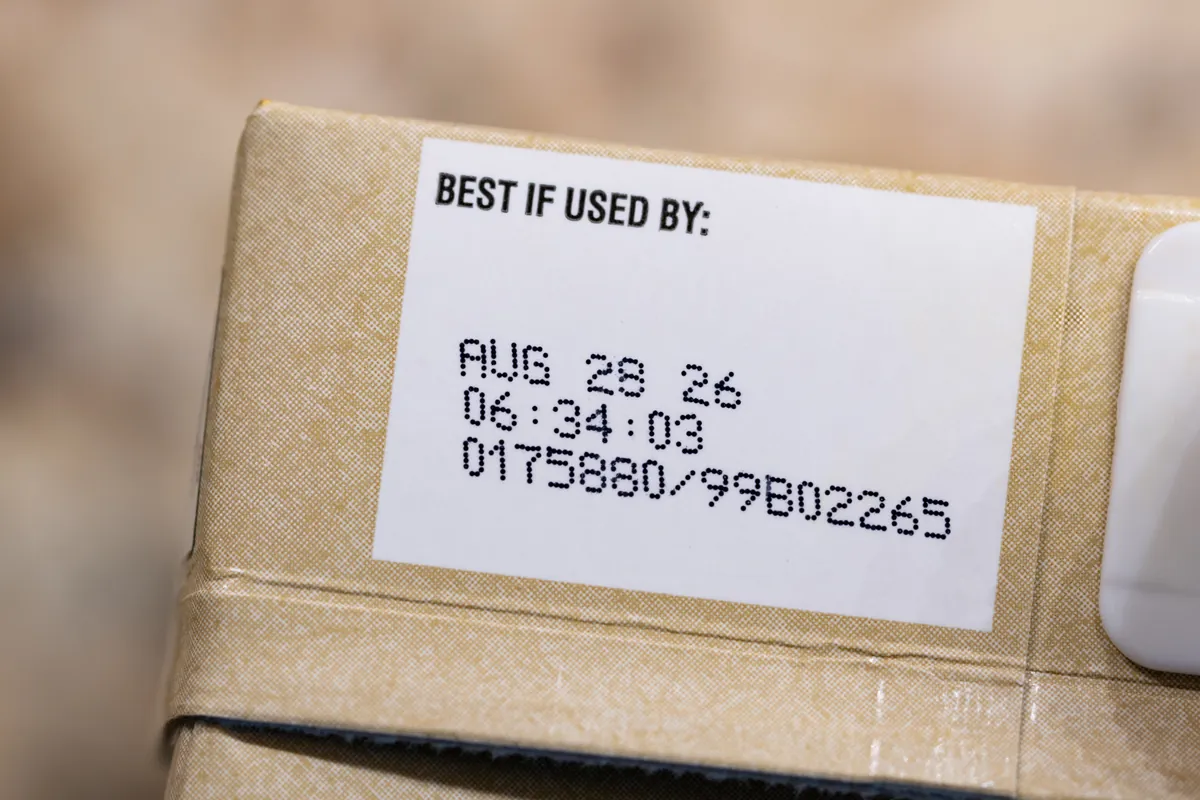 Maake says packaging teams can help reduce food waste by validating shelf life and minimizing product-loss risks.This is where the new requirement under 2.5.13 (g) comes in and plays a vital role in designing primary packaging and packaging material that can ultimately help reduce FLW while ensuring food safety is maintained.
Under FSSC 22000 Version 7, food manufacturers must establish a documented FLW policy, supported by measurable objectives, targets, and timelines. Their approach should include establishing a baseline, identifying where losses occur, investigating root causes, and monitoring progress at defined intervals.
Packaging teams can therefore demonstrate their contribution by working with customers to understand relevant product-loss risks, such as damage in distribution, insufficient shelf life, spoilage, or unclear storage, and preparation instructions. They can then provide evidence that packaging design choices help mitigate these risks. For example, through shelf life validation, transit testing, usability assessment, and clear consumer guidance.
This creates a practical link between the food manufacturer’s measurable FLW objectives and the packaging manufacturer’s technical expertise in designing packaging that helps food remain protected, safe, usable, and fit for consumption for longer.