


Digital printing systems raise new cybersecurity concerns


Key takeaways
- Connected digital printing workflows can expose packaging producers to unauthorized access, data loss, and operational disruption.
- Bobst, Xeikon, Mondi, and Xaar highlight encryption, access controls, anonymized identifiers, and controlled data workflows as key safeguards.
- Personalized packaging can limit privacy risks by using regional content and smart identifiers.

As the printing industry continues to digitalize, it is becoming more important for packaging producers and operators to ensure they have secure software that complies with privacy and data regulations.
Digital printing transfers digital files directly onto various materials without using physical printing plates. The process, like many digital interactions, is vulnerable to various cyber threats or loss of information, which can be detrimental to packagers and brands.
Problems can arise from unauthorized system access, personal data protection, and operational quality. Managing these emerging risks in the digital printing process can help prevent financial loss, legal penalties, and reputational damage.
Packaging Insights speaks to Bobst, Mondi, Flint Group Digital Xeikon, and Xaar about the systems they have in place to mitigate the risk of unsafe digital printing scenarios.
“We use controlled data workflows, meaning job-specific data is not permanently stored locally on presses,” says Patrick Graber, marketing director for Product Line Labels at Bobst.
“Our customers use anonymized identifiers like ID numbers supplied by their Management Information System platform. We also utilize secure, encrypted connections to the cloud that isolate presses from the customer’s internal network.”
Although there are few publicly documented cyber incidents involving packaging-printing presses, various real-world examples of vulnerable systems in digital printing operations have exposed the potential risk of unsecure systems.
Last year, security researchers found a critical remote code execution flaw inside the PostScript of HP LaserJet Pro and Enterprise digital printers. Although the flaw affected specific HP printers, the research highlighted the wider security risks associated with PostScript processing and network-connected print workflows.
Similarly, the US Cybersecurity and Infrastructure Security Agency detected the PrintNightmare vulnerability in 2021, which exploited weaknesses in the Windows Print Spooler service, potentially allowing attackers to execute code and gain system access.
Windows and HP have since released security updates addressing the vulnerabilities.
Danny Mertens, marketing manager at Flint Group Digital Xeikon, says that data protection starts with workflow design. “At Xeikon, we see secure personalization as a combination of controlled data handling, restricted access, and closed-loop production processes.”
Reducing data exposure
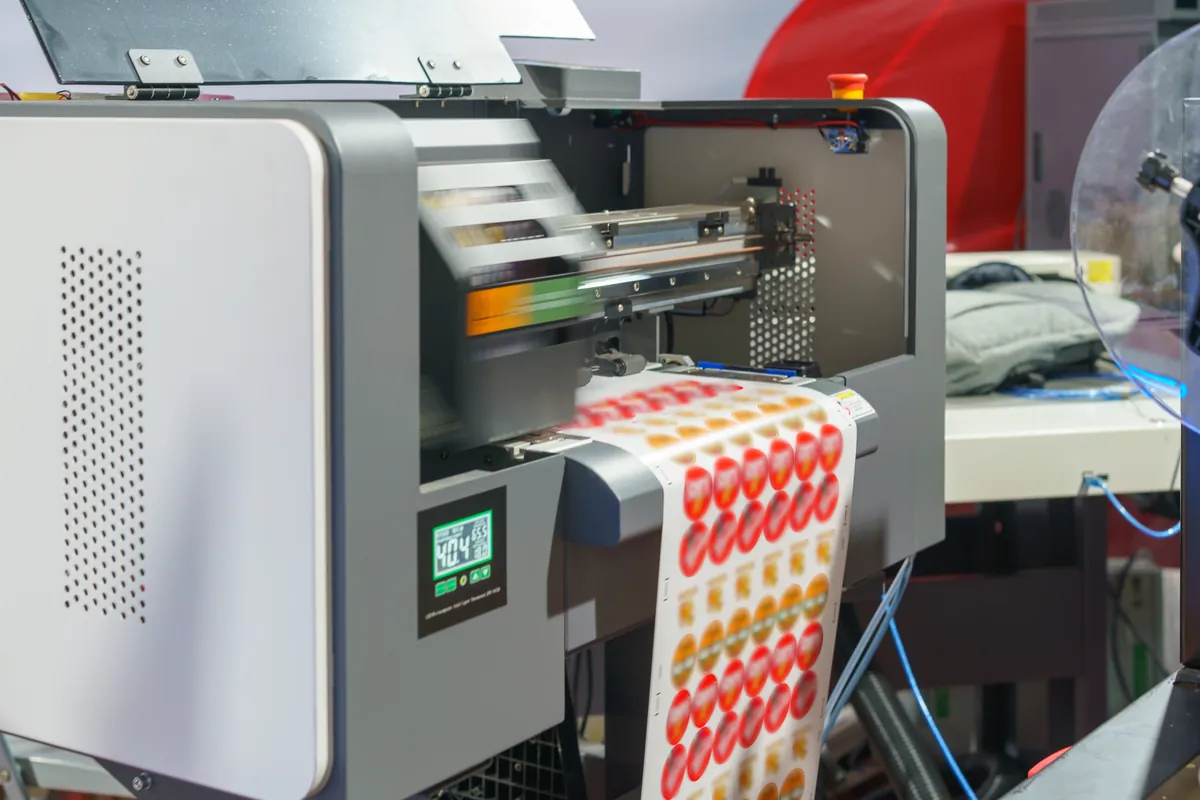 Secure software is becoming essential as digital printing exposes packaging workflows to cyber and data risks.Mondi and Xaar say they generally do not handle consumer data directly. Mondi keeps all the data at the consumer end, while Xaar uses an original equipment manufacturer, a third party that supplies equipment, components, or systems integrated into a company.
“Our printheads and ink systems integrate into workflows where data can be managed and applied accurately, with their reliability reducing the risk of errors, reprints, or manual intervention,” says Neil Cook, head of strategic marketing at Xaar.
He asserts that high-quality print performance plays an important role in data protection.
Cook attests: “By enabling stable, repeatable printing at speed, our technology supports best practices in secure data handling across customized and variable data applications.”
Mondi’s sales director at Ebersdorf, Bernd Köbler, explains that the company itself doesn’t handle sensitive or private data.
“Serial barcodes, which contain unique numbers, are linked to data only at our customers’ end, and it enables logistics processes to be managed without containing any personal data,” he explains.
Personalized packaging
Personalized packaging was named one of Packaging Insights’ Top Packaging Trends for 2026. It has become a key tool for brands to boost consumer engagement and loyalty. By using digital printing, brands can create limited edition or regionally tailored packaging, making products feel exclusive.
The key with security, personalization, and digital printing is distinguishing between relevance and intrusion, says Mertens.
.webp) Packaging producers are using encryption, restricted access, and controlled workflows to protect sensitive print data.“Consumers appreciate packaging that is more relevant, more localized, or more interactive, but they also expect their data to be managed responsibly. That means the industry should not assume that ‘more personalization’ automatically means ‘more personal data on pack.’”
Packaging producers are using encryption, restricted access, and controlled workflows to protect sensitive print data.“Consumers appreciate packaging that is more relevant, more localized, or more interactive, but they also expect their data to be managed responsibly. That means the industry should not assume that ‘more personalization’ automatically means ‘more personal data on pack.’”
“In many cases, the best balance comes from using smart identifiers, regionalization, campaign logic, or consent-based engagement instead of exposing sensitive information directly on the printed package,” notes Mertens.
“It is about creating intelligent, connected packaging that can adapt content, enable traceability, or support brand interaction in a way that is privacy-aware.”
He adds that any personalization strategy must align with the customer’s own legal and compliance framework, whether that is the EU General Data Protection Regulation (GDPR) in Europe or other applicable regulations. “The technology should enable secure production, but governance and responsible data practices remain essential.”
Meanwhile, Cook adds that package personalization does not have to rely on sensitive consumer data, pointing to Xaar’s project with Diageo, Kammann, and Marabu on Johnnie Walker bottles, which showed how digital inkjet can “individualize decoration without compromising privacy.”
Security beyond digital printing
As the industry innovates in the digital printing space, efforts are increasing to secure the connected systems and digital workflows supporting the technology. These include digital certificates and encryption, authentication and access control, intrusion detection and prevention systems, as well as increased cybersecurity training for employees.
.webp) Privacy-aware personalization allows brands to customize packaging without exposing consumer information.But for Bobst’s Graber, digital printing’s commitment to security should extend “far beyond the machinery.”
Privacy-aware personalization allows brands to customize packaging without exposing consumer information.But for Bobst’s Graber, digital printing’s commitment to security should extend “far beyond the machinery.”
“It runs through the core of Bobst’s business. For example, we employ a dedicated Data Protection Officer and have a long-standing partnership with network security specialist ei3 to ensure we meet and go beyond legislation like GDPR.”
He outlines that Bobst also implements a virtual desktop system, built on Microsoft Azure, which uses enterprise-grade cloud infrastructure, and its cloud solution, Bobst Connect, is ISO 27001-certified. “This ensures that we maintain a secure-by-design philosophy that underpins everything we do as a business.”
The same is true for Flint Group’s Mertens, who states that “the print engine is only one part of the chain.”
“The broader workflow must ensure that sensitive variable data is managed only by authorized parties and is not unnecessarily exposed throughout the production process.”