



Avery Dennison: Smart labels becoming “media channels” to consumers

Key takeaways
- QR codes, RFID, and other digital triggers are transforming labels into consumer engagement channels.
- Item-level digital identities can improve supply chain visibility, reusable packaging tracking, waste reduction, and data collection for AI-driven decision-making.
- EU regulations, including the DPP, PPWR, and Ecodesign rules, are accelerating demand for labels that support traceability.
 (All image credits: Avery Dennison).
Smart technologies like QR codes and radio frequency identification (RFID) are transforming labels from passive features on packaging to points of contact with consumers, but only if brands commit to a long-term digital content strategy, says Noam Assael, CPG business ventures director, Material Group, EMENA, at Avery Dennison.
Packaging Insights sits down with Assael to discuss how upcoming consumer interactions, regulations, and data collection are converging to demand more from labels. Increasingly, labels are part of a consumer’s experience with a product, while also enhancing traceability and validation of product credentials.
How are technologies like QR codes and RFID transforming consumer engagement through product labeling?
Assael: Technologies such as QR codes and RFID are evolving labels from passive identifiers into active digital gateways. For consumer packaging goods brands, this transforms the physical label into a powerful owned-media channel.
Beyond the initial purchase, these technologies facilitate a “physical” bridge, allowing brands to unlock richer brand experiences that help to build stronger consumer relationships and also improve supply chain and inventory management.
The benefits include enhanced transparency, loyalty, consumer touchpoints, and frictionless checkout.
An example of this in action is our recent collaboration with The Consumer Goods Forum and Reposit to launch the world’s first city-scale, multi-retailer, and multi-brand reusable packaging collaboration in Ottawa, Canada.
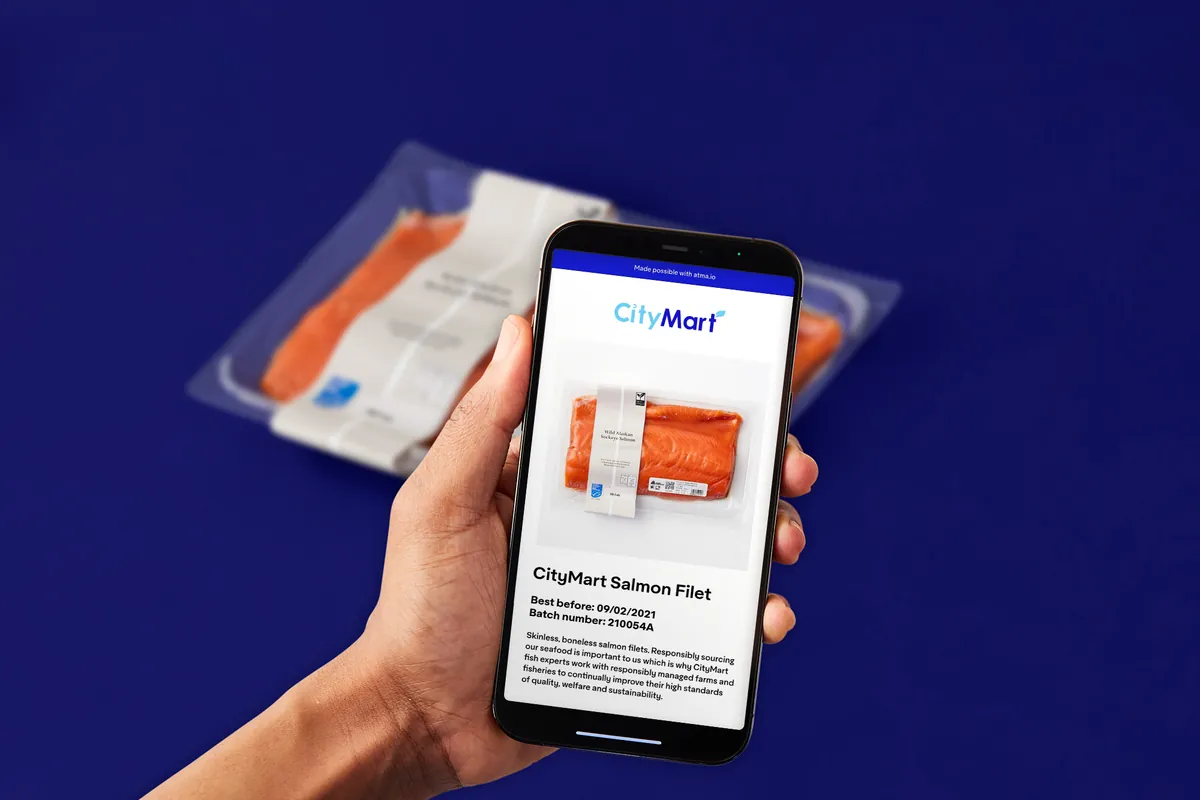 Smart labels turn packaging into digital touchpoints that support consumer engagement, product authentication, and supply chain traceability.The collaboration will enable consumers to consistently buy, return, and reuse everyday packaging across multiple stores and product types. This includes shampoo, conditioner, body wash, hand wash, dish soap, laundry liquids, and home cleaning products.
The program, which aims to revolutionize packaging systems and drive meaningful change in the fight against plastic pollution, involves brands like L’Oréal, P&G, and Unilever. It will help minimize infrastructure costs and operational complexity for businesses while enabling brand differentiation through creative labeling rather than bespoke packaging formats. The system is using a combined QR, RFID, and ultra-high frequency (UHF) digital trigger.
For consumers, a QR code is used to inform consumers where packaging can be returned, to facilitate the deposit return, and to provide coupons for future purchases.
For managing and optimizing the system, UHF-RFID is used to track and generate data related to reusable packaging. In addition, the UHF-RFID assists in automating processes, reducing costs, and ensuring scalability.
What are the benefits of integrating digital labels into the supply chain?
Assael: Integrating digital triggers, specifically UHF, RFID, and Bluetooth Low Energy (BLE), into the label or packaging allows for item-level intelligence and a strong data source for AI systems that help improve the supply chain.
By creating a “digital twin” for every product, via cloud-based platforms like Avery Dennison’s atma.io, brands achieve end-to-end visibility, operational efficiency, waste reduction, and conditional monitoring.
How do interactive labels enhance the consumer experience and influence purchasing decisions?
Assael: In an era of “the empowered consumer,” information is the primary driver of intent. Interactive labels may influence decisions at the point of sale by validating claims, by providing instant verification of organic, fair trade, or carbon-neutral certifications that are often too complex for a physical label.
It can also allow consumers to instantly access reviews or tutorials, bridging the gap between the tactile experience of a physical store and the information-rich environment of e-commerce.
Lastly, digital triggers, such as near field communication and RFID, can assure consumers that the product they are buying is original, safe to use, and not counterfeit.
What challenges do brands face when implementing advanced labeling technologies?
Assael: While the benefits are clear, the transition requires navigating several strategic hurdles. A major challenge is ensuring the easy application of digital triggers to packaging without slowing down high-speed production lines. Furthermore, encoding and linking the digital ID to the specific product data must be seamless and automated to maintain operational efficiency.
Another is to ensure that the digital trigger does not interfere with the recycling stream of the primary packaging. Avery Dennison is heavily focused on following the design for recycling guidelines to solve this.
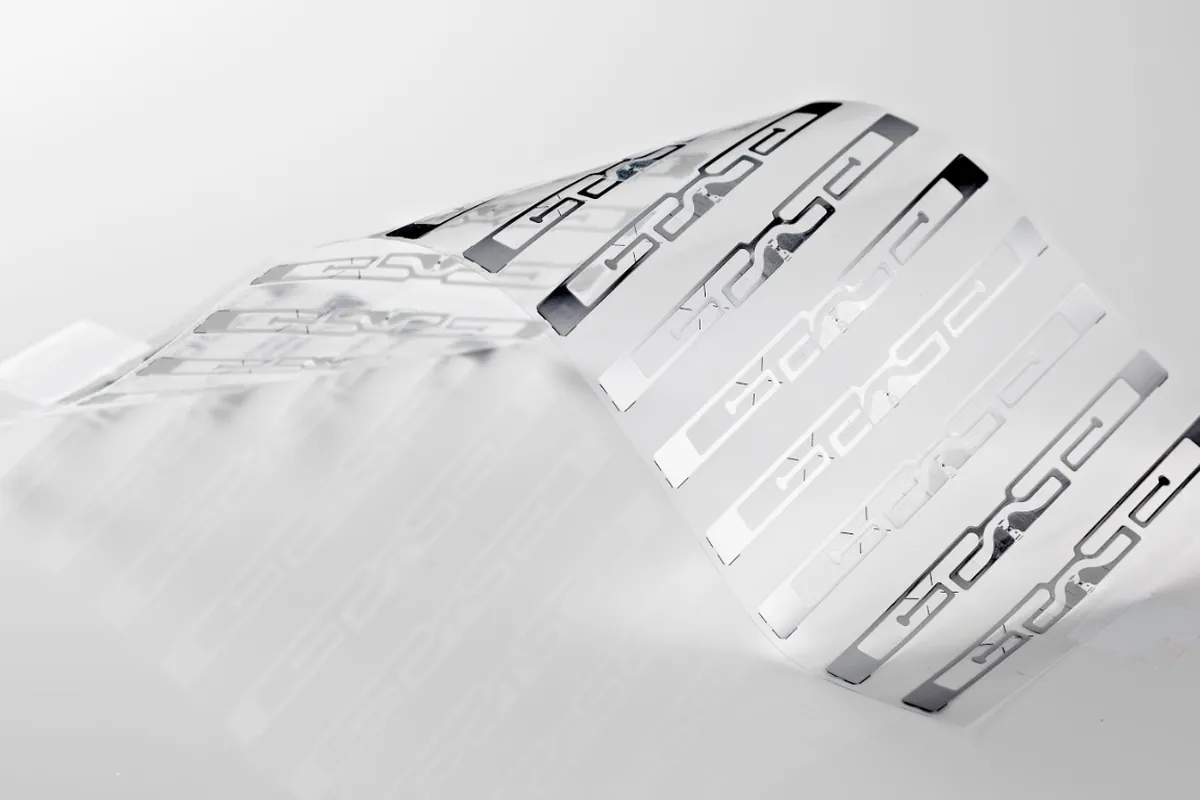 QR codes and RFID can help brands track reusable packaging while guiding consumers through returns, deposits, and future purchases.Meanwhile, another challenge is the ability to keep digital content dynamic and relevant. A QR code is only as valuable as the experience it leads to; brands must commit to a long-term digital content strategy, updating content constantly. Lastly, one difficulty is shifting the view of a label from a “packaging cost” to a “data-generating asset” that provides return on investment through reduced operation cost, reduced waste, and increased sales.
In what ways do you see the future of labeling evolving with emerging technologies?
Assael: There are two primary regulations that will drive RFID adoption. The Digital Product Passport (DPP) means we are moving toward a world where every physical object has a digital birth certificate. Secondly, the EU’s Packaging and Packaging Waste Regulation (PPWR) mandates significant shifts toward a circular economy by enforcing strict reuse targets and boosting traceability.
PPWR is mandating that a digital trigger, such as RFID, be used for rotation counting. Digital labels can support these regulations through asset tracking, proof of compliance, and operational efficiency.
Other trends and regulations that are also emerging include ambient sensing. Technologies such as BLE not only identify a product but also monitor its condition (temperature, freshness, or tamper-evidence) in real-time.
As global regulations, like the EU’s Ecodesign for Sustainable Products Regulation, begin to mandate digital transparency, the label will become the primary tool for circularity, facilitating easy sorting, reuse, and high-quality recycling.
Additionally, labels will act as the data entry point for AI-driven supply chains, where predictive analytics use the data created by the digital triggers to automatically adjust production levels based on real-time consumer interaction and sell-through.