

Chemical recycling scales amid regulatory support and environmental concerns

Key takeaways
- Dow says regulatory recognition of chemical recycling and mass balance accounting could unlock investment.
- EU research finds that chemical recycling typically converts only 30–50% of plastic feedstock back into plastic, while costs remain high.
- GAIA warns of toxic emissions, hazardous waste, and overstated recycled-content claims related to chemical recycling.
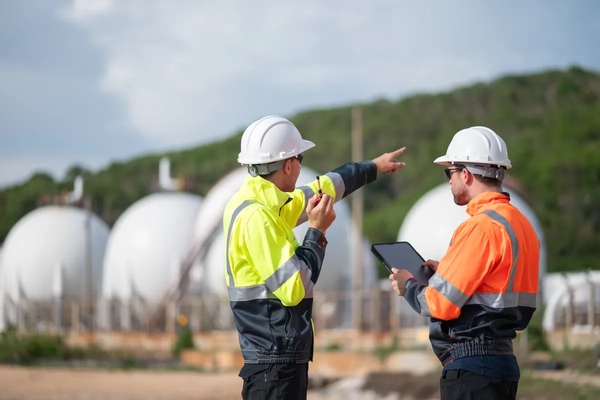
Chemical recycling is entering a new stage of investment and regulatory support as developments in the US and EU aim to provide greater regulatory certainty — but questions over economic viability and environmental performance continue.
In chemical recycling, mixed and contaminated plastics are broken down into their basic chemical building blocks to create new raw materials.
Some plastic manufacturers assert that chemical recycling offers a new pathway to process hard-to-recycle materials and contribute to a circular economy, with regulatory clarity and strong market demand essential to further development.
“Enabling policy frameworks, including recognition of advanced recycling and mass balance approaches, help unlock investment, while early and sustained demand signals across the value chain can provide the confidence needed to scale infrastructure,” Marc van den Biggelaar, global product director for Circular and Renewable Solutions at Dow Packaging and Specialty Plastics, tells Packaging Insights.
However, environmental groups caution that some chemical recycling can pose risks to human and environmental health, and argue that the technology does not address plastic pollution caused by overproduction.
Weyinmi Okotie, program manager for Clean Air at Global Alliance for Incinerator Alternatives (GAIA), tells us: “Chemical recycling is energy-intensive and often results in hazardous waste, toxic emissions, and GHGs.”
Packaging Insights speaks to Dow and GAIA to further uncover the latest developments in chemical recycling, as well as highlight some of the criticisms the process has attracted.
Tackling hard-to-recycle plastics
Van den Biggelaar highlights that chemical recycling is suitable for hard-to-recycle packaging that cannot be mechanically recycled. A large portion of flexible packaging contains multiple layers, each with many different chemicals and materials.
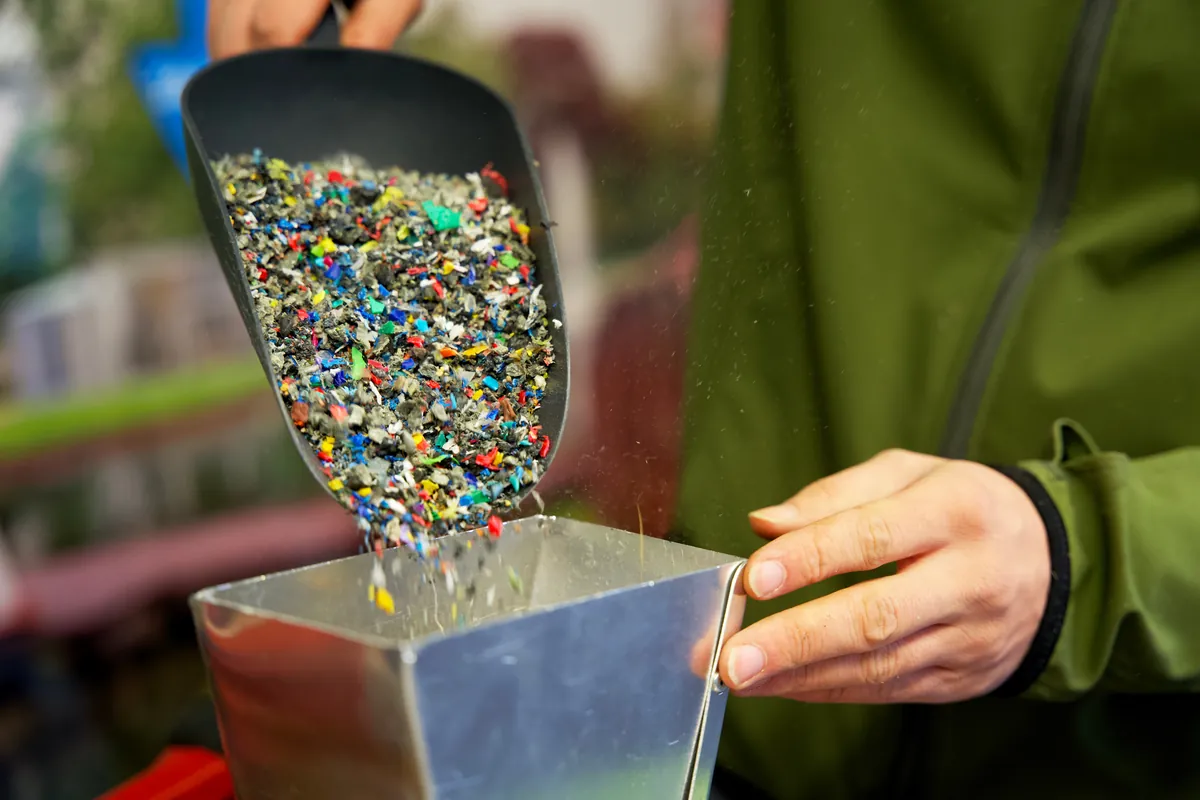 Dow says supportive policies and mass balance accounting are crucial to scaling chemical recycling.Okotie holds a different view. “Chemical recycling is often promoted as a solution for flexible, multilayer, and other types of plastics that are hard to recycle mechanically. However, the evidence does not support the claim that it can realistically recycle these waste streams on a large scale (commercially).”
He points to a 2023 report by environmental NGO Beyond Plastics, in collaboration with the International Pollutants Elimination Network, that details chemical recycling as a “false solution” to plastic pollution.
Van den Biggelaar also acknowledges that advanced recycling capabilities are still in the scaling phase, stating that continued investment and further regulatory certainty will be “critical to improving efficiency, quality, and yield across recycling technologies.”
Other barriers to development include limited infrastructure and feedstock availability, inadequate collection, sorting, and pretreatment, and packaging designs that are difficult to recycle, says the Dow executive.
Plastic yields and fuel outputs
A recent report by the European Commission’s (EC) Joint Research Centre presented a mixed picture of the waste management process.
It found that, while the technology has the potential to contribute to recycled-content targets, it typically converts only 30-50% of plastic feedstock back into plastic. Additionally, it found that recycled polymers remain more expensive than virgin or mechanically recycled material.
Weyinmi Okotie, program manager for Clean Air at GAIA, says: “Historically, a large portion of the output from technologies such as pyrolysis has been used as fuel rather than being turned into new plastic. The conversion of plastic into fuel does not count as circularity.”
He points to the fact that the EU considers waste-to-energy as energy recovery rather than recycling. Last year, the EC unveiled proposals for chemical recycling that adopt a “fuel-use excluded” mass balance accounting approach under the Single Use Plastics Directive.
Mass balance accounting
One method to track the amount of recycled content in packaging is through mass balance accounting. The approach keeps track of recycled material when it is mixed with virgin material in a factory. Companies record how much recycled material goes into the overall system and assign that amount to certain finished products.
In June, the EU adopted a mass balance methodology that allows chemically recycled plastic to count toward recycled-content targets for single-use beverage bottles.
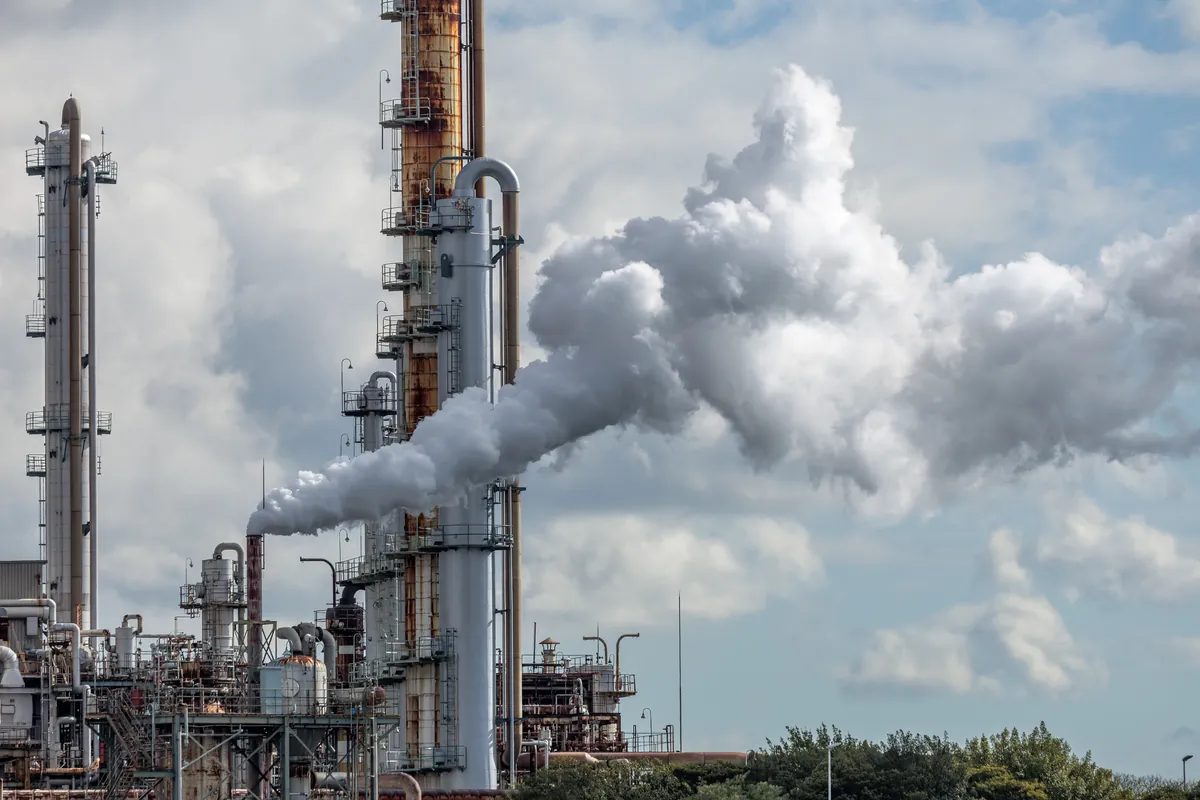 GAIA warns that chemical recycling can produce hazardous waste, toxic emissions, and greenhouse gases.“Mass balance accounting enables the traceability of recycled content through complex, integrated production processes when materials are not physically segregated at every stage,” says Van den Biggelaar.
“This is particularly important for advanced recycling, where circular feedstocks are introduced into existing petrochemical infrastructure to produce new materials.”
He adds that the mass balance approach is “fundamentally” an enabler of scale and investment. Without a framework, integration of chemically recycled feedstocks into industrial systems and bolstered market confidence becomes “difficult.”
However, environmental groups have warned that mass balance accounting could lead to “unsubstantiated claims” about the amount of recycled content in packaging products. They argue that the approach allows recycled-content credits to be allocated to particular products even when the recycled material cannot be physically traced into them.
Okotie says that regulators must ensure that mass accounting systems “do not inflate the recycled-content figure.”
For Van den Biggelaar, EU recognition of chemically recycled content in mass balance accounting provides regulatory clarity and certainty needed to “support investment decisions and accelerate development.”
He says: “Ultimately, mass balance is not just a technical mechanism. It is a critical bridge between innovation and scalability, helping advanced recycling move from pilot projects to industrial-scale deployment and enabling a more circular packaging system.”
Hazardous emissions
In the US, one current conversation around chemical recycling centers on whether chemical recycling operations can be designated as “manufacturing” rather than “waste incineration” under the Clean Air Act.
Critics argue that this could reduce environmental permit requirements and construction costs, but it remains a proposal by the Environmental Protection Agency.
To Okotie, this conversation is critical. “Regulators must not impose less stringent environmental standards on chemical recycling by merely classifying the facilities as ‘manufacturing’ rather than waste-management operations, since these processes are known to produce toxic emissions, contaminated outputs, hazardous residues, and wastewater, and should therefore be subject to strict environmental controls,” he urges.
He says that regulators should require comprehensive environmental impact assessments and should mandate independent monitoring and the public disclosure of the toxic elements associated with chemical recycling.
Circular solution or overstated promise?
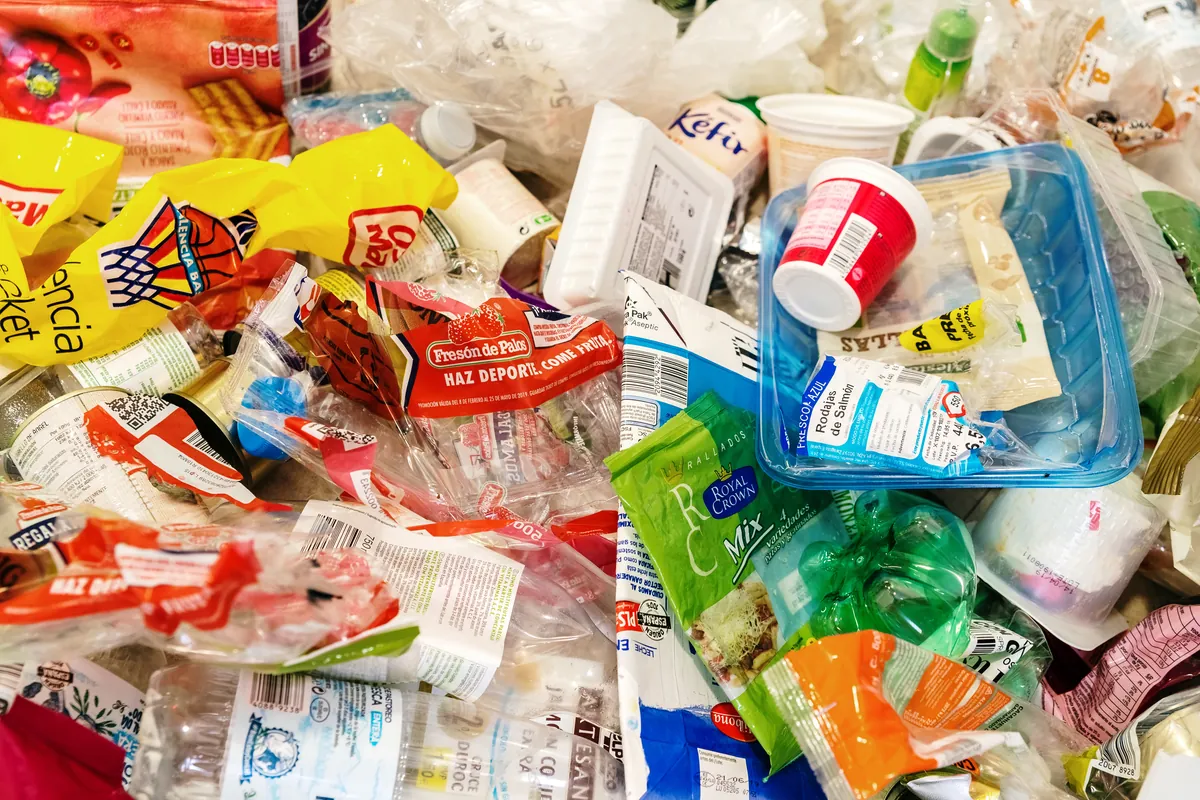 Chemical recycling could tackle hard-to-recycle plastics, but economic and environmental concerns remain.The conversation around chemical recycling is nuanced and complex. Industry representatives and environmental organizations broadly agree on the need to reduce plastic pollution, but methods to do so vary.
For Van den Biggelaar, EU policy alongside continued infrastructure development is critical for chemical recycling to gain mainstream adoption. “Advanced recycling technologies remain capital-intensive, and the industry must continue building the broader ecosystem needed to support growth,” he says.
“When supportive policy frameworks, infrastructure development, investment, feedstock availability, and value-chain collaboration align, advanced recycling can become a critical enabler of circularity for flexible packaging.”
On the other hand, from GAIA’s perspective, chemical recycling, if left unregulated, could endanger human health and divert from other objectives in the waste hierarchy, which are prevention, reduction, and reuse.
Okotie concludes: “Safeguards should not be confined to the activities taking place within a chemical recycling facility; regulation has to protect both communities and workers throughout the entire plastics lifecycle and must make sure that funding for these technologies does not undermine more important solutions.”
“The main question that policymakers should be asking is not ‘How can we deal with increasing amounts of flexible plastic waste?’ but rather: ‘Why are we still producing packaging which cannot be safely and sustainably managed from the very beginning?’”