


Out with PFAS On with performance. How do you develop an oil and grease barrier that works beyond the laboratory?
September 2026


Removing PFAS changes more than the coating chemistry. This technical paper sets out five principles for designing fibre-based barriers, from choosing the right base paper and forming a continuous film to testing performance under production and end-use conditions. Explore the principles alongside examples from Avebe’s development work.
This technical paper is brought to you by Royal Avebe.


READ THIS NEXT: Dual-head Redundancy Non-Stop Sleeve Labeling by Bricspack
Fiber-based
Pack Expo 2026: Yangi targets US packaging demand with dry-formed fiber
Yangi is expanding its dry-forming molded fiber into the US market as part of its “international expansion effort” following a Swedish Energy Agency grant announced earlier this year. The Cellera range features...
Fiber-based
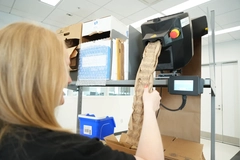
Sealed Air expands fiber-based cushioning portfolio with compact ProPad Mini
Sealed Air has launched the ProPad Mini, a protective packaging cushion that maximizes limited pack station space and reduces operator movement in e-commerce products. The company says that e-commerce operations demand faster,...

Fiber-based
Fiber packaging sustainability claims face recyclability reality check
While the paperization trend continues to inspire product launches, there is growing attention to certain fiber-based claims that overlook the complexity and nuance of the material. Packaging Insights speaks to experts from...