



Pack Expo 2026: APC to explore how geopolitics and EPR reshape flexible packaging

Key takeaways
- APC says geopolitical disruption is shifting flexible packaging sourcing toward supplier diversification, regional supply chains, and resilience.
- At Pack Expo 2026, APC will showcase packaging innovations supporting material reduction, recyclability, and consumer convenience.
- Expanding US EPR programs are prompting brands to weigh packaging redesign costs against compliance fees and long-term environmental goals.

American Packaging Corporation (APC) will examine how geopolitics and regulations have shaped the packaging industry over the past year and how their influence is expected to evolve in 2027, at the upcoming Pack Expo 2026 in Chicago, US (Oct 18–21). It is also set to present a range of flexible packaging solutions that respond to consumer and regulatory demands.
Ahead of the show, Packaging Insights speaks with APC’s Kevin Bergeson, director of purchasing, Seth Holmen, VP of R&D and technical solutions, and Shawn Banaszak, corporate sustainability and compliance engineer, about how geopolitical shifts, tariffs, and regulations are reshaping global supply chains and material choices.
This year marked a turbulent time for the flexible plastic packaging and petrochemical markets, with the US–Iran war and Strait of Hormuz blockade leading to supply, cost, and transport disruptions.
As a result, Bergeson says that flexible packaging sourcing has shifted from lowest-cost to “risk-balanced” sourcing.
“Brand owners are increasingly diversifying suppliers, regionalizing portions of their supply chains, and qualifying alternative sources for critical flexible packaging materials to reduce exposure to tariffs, geopolitical disruptions, and transportation volatility.”
Flexible packaging wasn’t the only packaging material to face supply chain disruptions this year, with glass and aluminum packaging producers also facing shortages and delays.
Bergeson continues: “At the same time, companies are evaluating sourcing decisions through a broader lens that includes total landed cost, business continuity, lead-time reliability, and supply chain resilience.”
He predicts that supply chain uncertainties will continue into 2027, adding that the “most successful” companies will be those that prioritize flexibility in supplier networks, maintain strong strategic partnerships, and “proactively plan for disruption.”
Bergeson will discuss in detail the impact of geopolitics at Pack Expo 2026 in the presentation 2027 Outlook: Geopolitics Impacting Flexible Packaging.
Long-term market resilience
In addition to geopolitical market disruption, trade policies are also shaping the flexible packaging market, particularly as producers and brands respond to regulatory pressure, says Holmen.
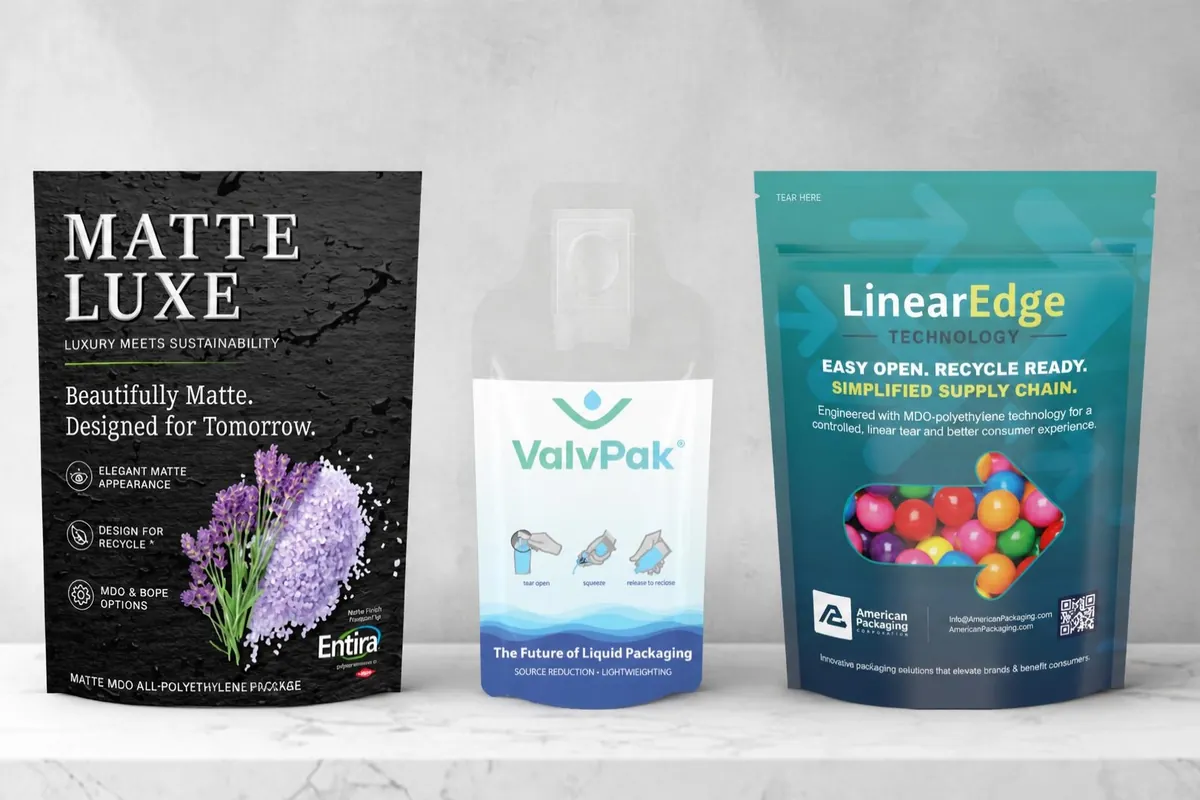 APC's flexible packaging line-up to be presented at Pack Expo 2026 in Chicago, US (Image credit: APC).He adds that, against this backdrop, materials, supplier relations, and packaging design must be considered long-term endeavors that also work in the current market and regulatory landscape.
At Pack Expo 2026, APC will showcase ValvPak liquid pouch packaging, Matte Luxe recyclable matte PE packaging for luxury products, and LinearEdge, a controlled-opening solution. The solutions support personal care, home care, and food product applications, such as sauces, with designs that reduce material use and offer recyclability in compatible waste streams.
Jeff Travis, senior manager of Innovation and Sustainability at APC, says: “This is an exciting moment for flexible packaging as brand owners look for solutions that can do more — more for performance, sustainability, and for the consumer experience.”
While these innovations tap into current regulatory and consumer demands, Holmen highlights that the push toward “more sustainable packaging materials is challenging.” Because of this, he adds that ensuring the longevity of packaging technologies is “of high consideration” to APC.
As for wider implications on the flexible packaging market, Holmen explains that the shift to long-term sustainable packaging solutions is “driving more transparency and collaboration between brands and their packaging suppliers.”
The “value of redesign” for EPRs
As EPR regulations expand across the US, packaging costs are becoming increasingly linked to recyclability and circular performance. Previously, Packaging Insights explored how EPR legislation in the US is expanding through the country, with states like California, Oregon, and New York facing the brunt of industry and public attention.
At Pack Expo 2026, APC will conduct the presentation EPR Compliance — Optimize Packaging to Minimize Financial Impact, on the tools, technologies, and guidance that can help brand owners navigate the policy.
Banaszak says: “With EPR programs ramping up across the country and several programs already active, it is a great time for brand owners to understand how their products and packaging are impacted today and how that impact may change in the future as more states enact EPR legislation.”
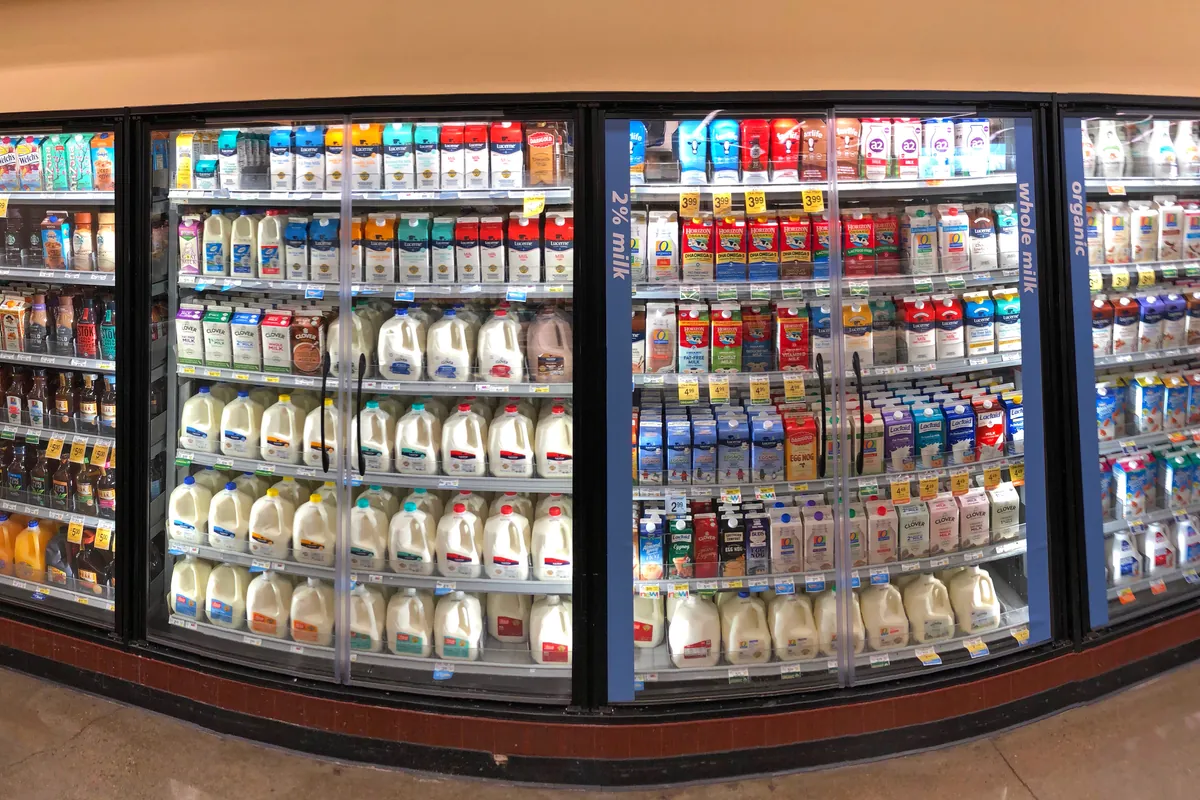 The US's state-level approach to EPR means that producers will have to understand and comply with varying requirements, outlines Banaszak.He highlights how the state-level approach to EPR means that producers will have to understand and comply with varying requirements.
“It’s helpful to begin with an analysis comparing available package solutions against the proposed EPR regulations to understand current compliance risks and financial impacts of different choices,” Banaszak continues.
“This helps establish the value of redesign. Leading packaging suppliers can help facilitate this discussion using calculation tools, which quickly show brand owners the comparison of incremental versus full recyclability outcomes.”
Some industry players have highlighted the unintentional impact of the circularity measure, calling for EPR legislation to be implemented “equitably.” The Recycling Partnership’s recent report revealed that US e-commerce companies are making packaging lighter to save on shipping costs. However, this is creating challenges for residential recycling systems in many parts of the country.
Earlier, the Alliance for Mission-based Recycling argued that EPR legislation in the US should not include film and flexible packaging in curbside recycling programs, explaining that these materials cannot be recycled on a large scale due to complex material composition and limited end markets.
APC’s Holmen says that weighing the functional, barrier, and aesthetics properties of flexible packaging against current EPR fees is “critical” to understanding how to move forward with the legislation.
“Packaging changes will present challenges and may include equipment modifications which could slow down the transition timeline and impact the project budget,” he continues.
“Short-term versus long-term strategies and the resulting benefits can be analyzed and selected, justifying the resourcing to transition products to packaging that will optimize a brand’s financial and environmental goals.”