
Braskem and Toyota Tsusho expand bio-based PE adoption in Japan
Key takeaways
- Braskem and Toyota Tsusho are promoting sugarcane-derived, bio-based PE in Japan to reduce packaging-related GHG emissions.
- Cosmetics and personal care packaging are key growth areas for bio-based PE, with increasing adoption in bottles, tubes, caps, and closures.
- Japan leads the region in bio-based plastics adoption, while demand is growing in China, South Korea, and Australia.

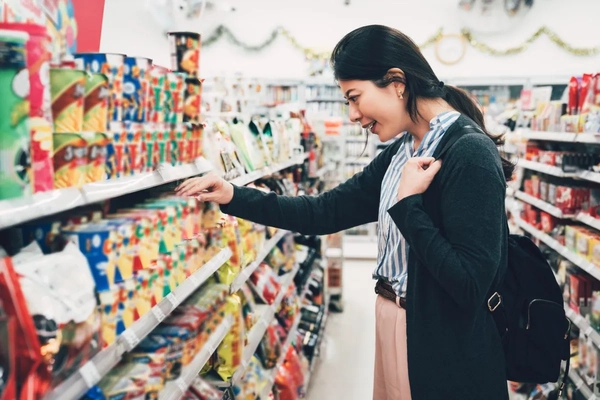
Braskem and Toyota Tsusho, the trading company of Toyota Motor Group, highlight their partnership on sugarcane-derived, plant-based PE for packaging as an alternative to fossil fuel-derived PE to help reduce GHG emissions while maintaining performance.
The companies note that Japan is the most advanced market in East Asia for bio-based materials. They say that packaging companies are increasingly adopting bio-based PE across different applications, including shopping bags, food packaging, and everyday consumer products.
Frederico Campos, business director Asia Pacific at Braskem, tells Packaging Insights: “Our strategy in Asia is anchored in the same global value proposition that guides our I’m green bio-based portfolio worldwide: helping brands make a measurable reduction in the carbon footprint of their products as part of the transition to a low-carbon circular economy.”

“Japan has played a pioneering role in building demand, supported by a strong policy and certification framework for biomass plastics. Our focus there is to help partners move from initial adoption to higher bio-based content across more packaging applications.”
Supporting renewable narratives
At Highly Functional Material Week Tokyo 2026, Toyota Tsusho told us that according to the results of an LCA conducted by a research team at the University of Tokyo, plant-based PE shows lower emissions over its entire life cycle.
.jpg) Frederico Campos, business director Asia Pacific at Braskem.The LCA calculated GHG emissions from sugarcane production through to final incineration.
The company says major brands in Japan are increasingly adopting bio-based alternatives as the government strengthens its plastics policies to encourage the use of recycled and bio-based materials.
“I’m green bio-based starts from sugarcane, which captures CO2 as it grows, so brands get a material with a negative carbon footprint from cradle to gate, without compromising performance or recyclability,” Campos adds.
“In Asia, Japan continues to set the pace, and the opportunity now is to raise bio-based content across more packaging. We see the strongest momentum in cosmetics and personal care.”
“Brands in this category are building their positioning around natural and renewable ingredients, and they increasingly want the packaging to tell the same story as the formula. I’m green bio-based PE has been commonly used in bottles, tubes, caps, and closures. It offers the same performance and design flexibility as conventional PE.”
Measurable carbon reductions
Campos shares that China, South Korea, and Australia are also moving quickly as brands look for measurable ways to cut packaging-related emissions..webp) Campos says that personal care brands seek packaging that reflects their products’ natural, renewable positioning.
“Increasingly, brand owners in the region are evaluating packaging materials through a product carbon footprint lens and against their broader decarbonization commitments, creating demand for solutions that can deliver measurable reductions in lifecycle emissions while maintaining performance and recyclability,” he says.
“We apply this proposition to the specific maturity and needs of each market. China, South Korea, and Australia are seeing growing interest from brands that need credible, measurable pathways to meet their emissions targets. There, our focus is on building understanding of the material and working with local converters to accelerate qualification and launches.”
Braskem’s Carbon Reduction Calculator allows companies to quantify the emissions savings of switching from fossil-based PE to its I’m green bio-based PE for specific products. According to the company, the data can make the carbon case “concrete and comparable” when evaluating materials.
Recently, Packaging Insights spoke to Braskem about the future of the flexible packaging market. The company predicts that sustainability will continue to be one of the key drivers of innovation in the sector.