
Packaging industry tackles recycling data gaps with global platform
Key takeaways
- Systemiq and Earth Action have launched the Packaging Data Hub to standardize recycling data across 50 countries and 12 plastic packaging formats.
- The platform helps businesses compare recycling performance, validate sustainability claims, and prepare for EPR, PPWR, and ESG reporting requirements.
- The Hub reveals that only 18% of plastic packaging is recycled across the 50 countries assessed, while flexible packaging recycling rates stand at approximately 10%.

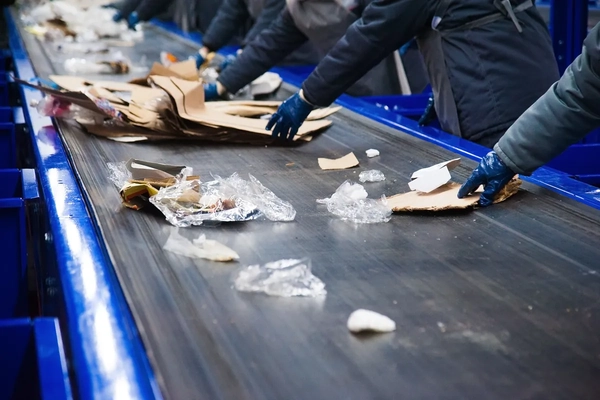
Systemiq and Earth Action, backed by partners Amcor and Colgate-Palmolive, have launched the Packaging Data Hub, a data platform that aims to help businesses tackle gaps in packaging recycling data.
The Packaging Data Hub taps into industry demand for trusted evidence of recycled materials, especially as EPR legislation and the EU’s Packaging and Packaging Waste Regulation (PPWR) require brands to validate sustainability claims.
The solution aims to address the “persistent challenge” of recycling rates pulled from different sources that use contrasting definitions and methods of calculation.
Packaging Insights sits down with Systemiq and Earth Action to discuss how the Packaging Data Hub can help businesses navigate recycling regulations and improve packaging decisions.

“Packaging teams are making decisions now that will shape what reaches the market for decades. To do that well, they need to know two things, whether their packaging can be recycled, and whether the systems exist to recycle it where it’s sold,” Julien Boucher, co-founder at Earth Action, tells us.
“Until now, the figures available to answer that have come from different sources using different definitions, which makes it hard to compare markets.”
The Packaging Data Hub draws information from more than 100 vetted public and proprietary sources, according to the companies. It also harvests data from partnerships with producer responsibility organizations, recyclers, and materials recovery facilities.
Improve data, improve recycling rates
The Packaging Data Hub aims to help businesses compare material recyclability performance across different markets, acknowledging that regions can have distinct sustainability requirements.
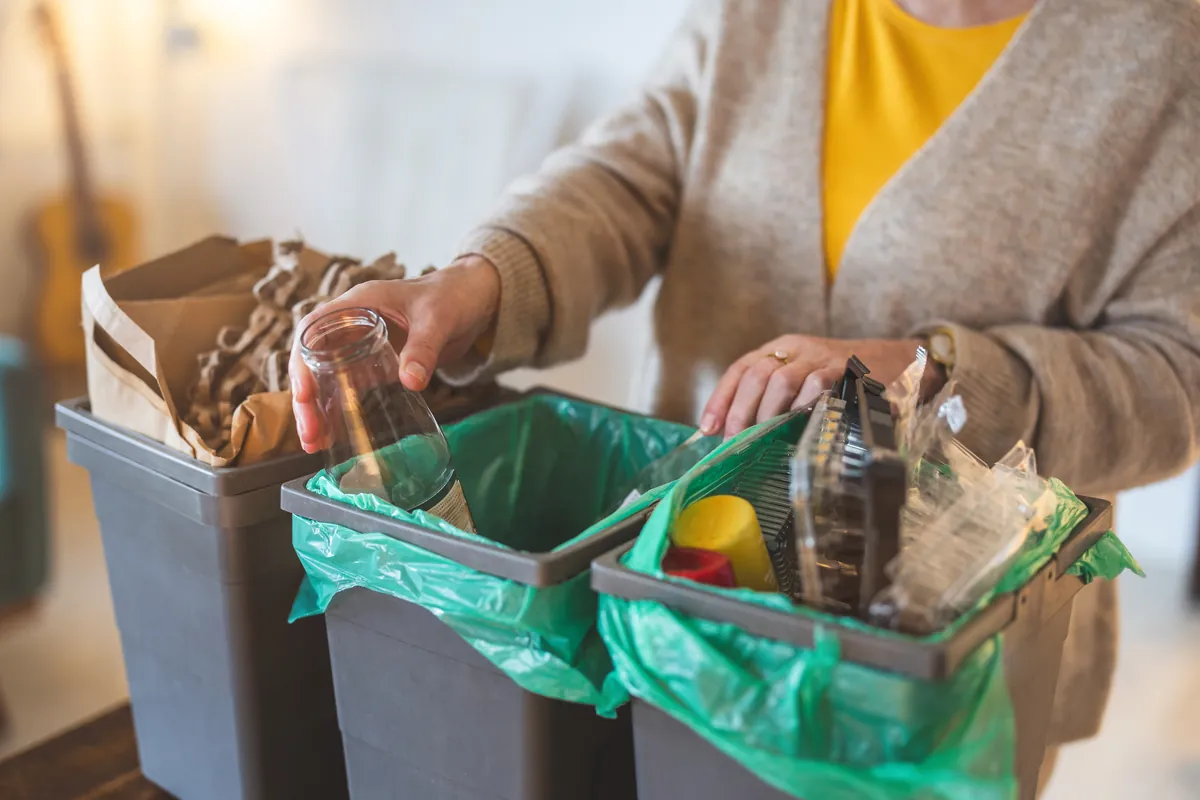 The Packaging Data Hub aims to help businesses access standardized recycling data across global markets.“Standardized data gives companies a consistent baseline across markets. They can see which formats are falling short and where and prioritize accordingly,” says Sarah Perreard, co-founder at Earth Action.
The tool also aims to help businesses know where to invest next and set up region-specific packaging strategies. Moreover, Perreard says that the Packaging Data Hub’s figures can help businesses prepare for Ellen MacArthur Foundation (EMF) Global Commitments and requirements under CDP (formerly the Carbon Disclosure Project), as well as Scope 3 calculations and ESG disclosures.
“Making the evidence behind each number visible is what allows businesses, investors, and policymakers to direct resources where they will have the most impact,” she adds.
The case for recycling data
Systemiq and Earth Action say that as recycling requirements increase, data gaps risk leaving businesses vulnerable and facing expensive redesigns, misdirected investment, or unidentifiable data.
Meanwhile, consumers are increasingly raising concerns about the growing volume of packaging pollution, with critics pointing to low industry recycling rates.
According to data amalgamated by the Packaging Data Hub, approximately 18% of plastic packaging is recycled across the 50 countries it covers, accounting for around 80% of the world’s plastic packaging waste.
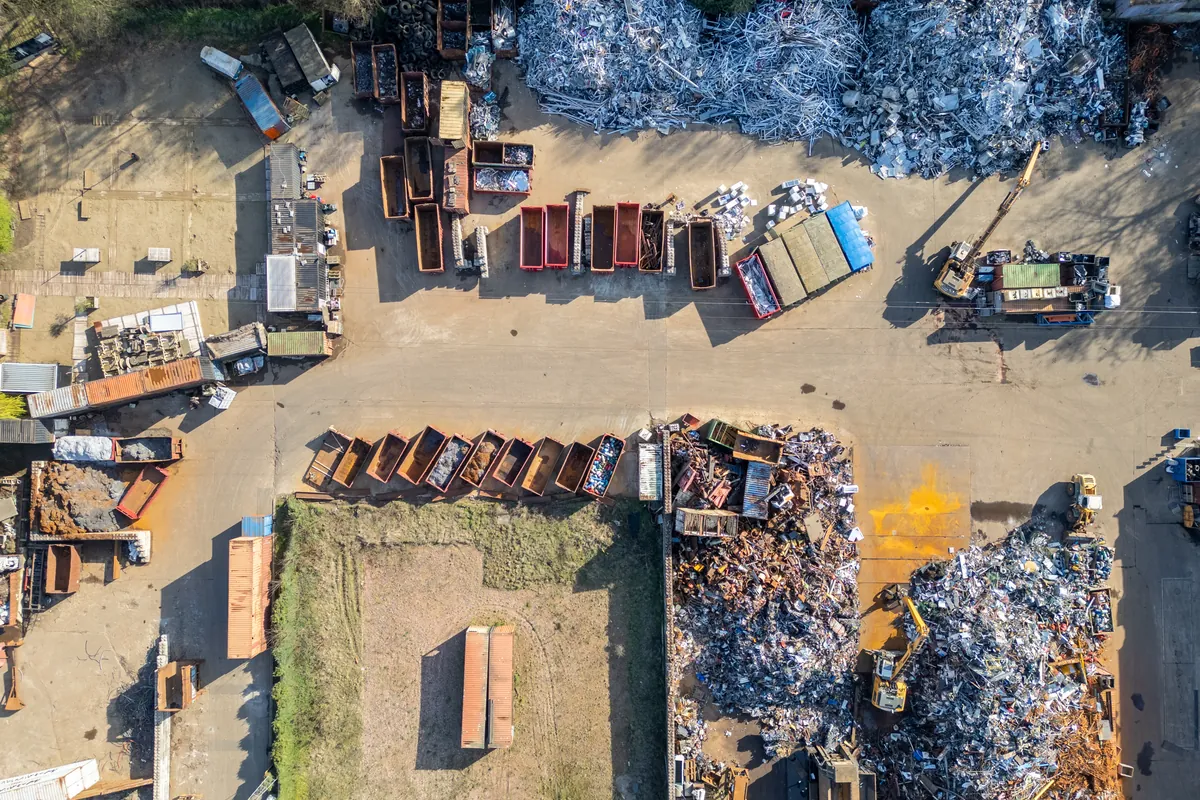 The Packaging Data Hub finds that approximately 18% of plastic packaging is recycled across the 50 countries it covers.Yoni Shiran, partner and plastics and packaging lead at Systemiq, says: “The 18% figure counts only the plastic that comes out of the recycling process as usable material. That makes it visible how much is lost along the way. A significant share is lost at collection and sorting, before it ever becomes recyclate.”
The Packaging Data Hub also finds that flexible packaging makes up around 40% of plastic packaging waste, with only around 10% currently recycled. “Formats such as these are often multi-material and harder to collect and sort, and end markets for the recycled material remain limited,” explains Shiran.
Shiran argues that policy can make a “measurable difference” in tackling packaging waste, pointing to the Packaging Data Hub’s assessment that in low- and middle-income countries, recycling rates are roughly twice as high as in places where EPR schemes exist.
“That points to the role of well-designed EPR in funding the collection and sorting infrastructure that recycling depends on,” he outlines.
Industry collaboration
The Packaging Data Hub aims to become a “trusted source” of information for businesses. Alongside Amcor and Colgate-Palmolive, its corporate partners also include Mars, Nestlé, Unilever, that helped shape, test, and validate the methodology behind the data tool through a Technical Advisory Board.
 Flexible packaging accounts for around 40% of plastic packaging waste, but only approximately 10% is currently recycled.Meanwhile, a steering committee comprising the EMF, WWF, CDP, Waste and Resources Action Programme, Global Plastic Action Partnership, and The Consumer Goods Forum will promote the Packaging Data Hub across their networks as a “credible” source of recycling data.
The initiative was funded by EIT Food, an EU-backed food innovation community, and the Röchling Foundation, a German charitable foundation focused on plastics, environmental protection, and the circular economy.
Boucher explains that the Hub brings together harmonized data on 50 countries and 12 plastic packaging formats.
“Companies can compare how a specific format performs from one market to another, rather than relying on broad material averages. Every figure is shown with its sources and a confidence level,” he highlights.
Systems that aim to gather correct and accurate recycling data are increasing as producers and businesses respond to EPR and PPWR pressure.
Recently, Circpack by Veolia and Mars partnered to map global packaging recycling rates to address gaps between reported recycling rates and actual material recovery, using a new scientific methodology developed by researchers at Imperial College London, UK.