


California agriculture coalition calls for SB 54 repeal

Key takeaways
- Agricultural coalition CAP argues that California’s SB 54 imposes excessive fees and compliance burdens on the agricultural sector.
- The coalition says the EPR framework could restrict essential food and agricultural packaging needed for safety and shelf-life.
- CAP is calling for SB 54 to be replaced with a system focused on recycling infrastructure, equitable fees, and stakeholder input.

A coalition of agriculture industry representatives in California, US, has called the state’s SB 54 “unworkable as written” and argues for its repeal.
The Plastic Pollution Prevention and Packaging Producer Responsibility Act, known as SB 54, is California’s EPR law. It aims to manage packaging and single-use plastic foodservice ware across the state.
However, the Californians for Affordable Packaging (CAP) argues that the EPR legislation will raise costs for farmers, food producers, and businesses.
“California made up recycling targets, disincentivized circularity by placing a cap on packaging, and put draconian fines and fees on top of an overly rigid regulatory scheme,” Adam Regele, founder of Regele Consulting — a member of the coalition — tells Packaging Insights.
“Agricultural producers are most concerned about the enormous fees, source reduction mandates that disincentivize circularity investments, and the lack of protections for packaging that is necessary for food safety, shelf life, and transportation.”
He underscores the importance of food packaging for the agricultural sector in preventing spoilage and keeping products affordable, which CAP argues SB 54 will affect.
CalRecycle — the state agency responsible for administering and implementing SB 54 — offers exemptions for certain packaging types required by FDA and USDA food safety rules, such as microbial-barrier films, oxygen- or moisture-control layers, seals, liners, and caps needed to prevent contamination.
In guidelines for applying for an exemption, CalRecycle says that producers and packagers must “demonstrate that it is not reasonably possible to use any alternative packaging or packaging components that would avoid the conflict” between California’s packaging rules and mandatory federal food or agricultural requirements.
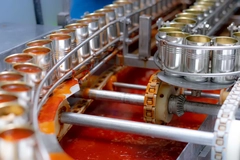
.webp) CAP argues that the EPR legislation will raise costs for farmers, food producers, and businesses.The EPR sets out to reduce packaging waste by 25%, achieve a 65% recycling rate for single-use plastic packaging and foodservice ware, and ensure that all single-use plastic packaging and foodservice waste is recyclable or compostable.
CAP argues that the EPR legislation will raise costs for farmers, food producers, and businesses.The EPR sets out to reduce packaging waste by 25%, achieve a 65% recycling rate for single-use plastic packaging and foodservice ware, and ensure that all single-use plastic packaging and foodservice waste is recyclable or compostable.
The agricultural sector’s concern with SB 54 is not the first time the new EPR law has been under pressure. It is also facing legal scrutiny from environmental NGOs, who argue that CalRecycle acted beyond its mandate by adopting regulations that conflict with the law’s legal obligation.
Yet while the environmental NGOs argue that SB 54 isn’t doing enough to prevent packaging waste, CAP contends that the costs and penalties are excessive. Regele points to more transparent and equitable fees and stronger stakeholder input as key to SB 54’s success.
Affected producers
The agricultural coalition says that farmers and producers are facing uncertain compliance requirements, with potential restrictions on essential packaging.
Regele says that dairy cartons, jugs, clamshell packs, corrugated boxes, plastic films, bags, wraps, and glass containers will feel the greatest impact from the law. “SB 54 is not just a plastics law, it impacts all substrates.”
He urges the state to focus on other methods to improve plastic packaging waste in the state, such as recycling infrastructure, collection systems, and end-markets.
“A workable replacement would keep California’s waste reduction goals but create realistic compliance pathways for food and agricultural packaging that are necessary for safety, shelf life, and product integrity.”
Steve Gross, president and CEO at Wine Institute, adds that California’s EPR needs to “slow down” and root the legislation in “real economic analysis” to avoid higher costs for producers and consumers.
US’s EPR developments
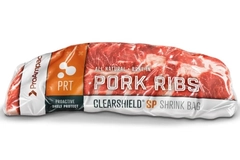
.webp) CalRecycle offers exemptions for certain packaging types required by FDA and USDA food safety rules.The implementation of EPR laws in the US is drawing significant industry and environmental attention, as groups diverge on the most effective way to reduce the potential harm of packaging pollution.
CalRecycle offers exemptions for certain packaging types required by FDA and USDA food safety rules.The implementation of EPR laws in the US is drawing significant industry and environmental attention, as groups diverge on the most effective way to reduce the potential harm of packaging pollution.
In June, New York’s Packaging Reduction and Recycling Infrastructure Act failed to pass for a third consecutive year. Meanwhile, in Oregon, the National Association of Wholesaler Distributors secured a preliminary injunction blocking enforcement of the state’s EPR law, arguing that it imposes burdensome fees and taxes on distributors.
However, Sahar Mehrabzadeh, chief revenue officer at Bay Cities, a packaging solutions company based in California, told Packaging Insights that the EPR legislation is progressing throughout the US.
“With one in five US residents already living in an EPR state, these rules are steadily reshaping how brands think about materials, package design, labeling, and end-of-life responsibility,” she asserted.
CAP urges policymakers in California to replace SB 54 with a framework that protects food safety, preserves essential packaging, reflects real-world recycling infrastructure, and “avoids placing new costs on California families during an affordability crisis.”