

Mondelēz and PepsiCo trial digital watermarks to improve flexible packaging recycling

Key takeaways
- Mondelēz International, PepsiCo, Constantia Flexibles, and other companies are trialing digital watermarks on flexible packaging collected in Belgium.
- The HolyGrail 2030 technology helps sorting equipment identify packaging types and separate food-contaminated materials.
- The real-world trial aims to support greater supplies of recycled plastic as companies prepare for the EU’s upcoming recycled-content requirements.
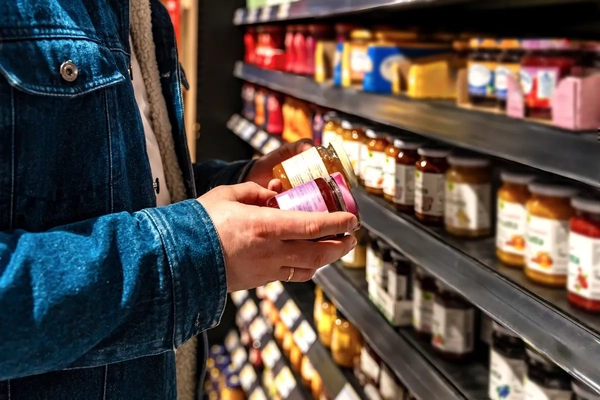
Mondelēz International, PepsiCo, and Constantia Flexibles are trialing invisible digital watermarks through the HolyGrail 2030 consortium to help identify and sort flexible packaging for food-grade mechanical recycling in Belgium.
Digital watermarks on wrapper, films, and other plastic food packaging collected by Belgium’s local recycling systems aim to help recognize packaging that has been in contact with food, which can complicate recycling processes.
The trial is part of the HolyGrail project, which brings together around 79 local European and global companies to research intelligent sorting.
“HolyGrail 2030 is a pivotal, cross-industry initiative for better sorting and recycling of flexible packaging in the EU,” says Richard Akkermans, European R&D packaging productivity and sustainability manager at Mondelēz International.
“In order to be ready for the ambitious recycled content targets in the EU Packaging and Packaging Waste Regulation, this market demonstration aims to provide the real-life technical learning that the value chain needs in order to increase the availability, compatibility, and affordability of recycled plastic coming from new technologies.”
A digital watermark is a printed code on packaging that is then read by specialist sorting equipment and can identify packaging type and food-contaminated products. The sorting trials are led by Fost Plus, a Belgian recycling and reuse company.
Sorted bales of flexible plastic packaging waste are sent from Belgium to Hündgen Entsorgungs’ sorting center in Germany, where high-resolution cameras supplied by machine vendor Pellenc ST read the digital watermarks.
Philippe Gendebien, business innovation manager at Fost Plus, says: “Belgium’s household collection system provides a strong real-world environment to test how digital watermarking can support more accurate sorting of flexible packaging.”
Digital watermarking
The trial is indicative of a growing collaboration between FMCG brands, industry, and circular initiatives, as well as tapping into the smart technology trend that pushes the boundaries of the conventional protective role of packaging.
“The design and printing process is more than decoration. It can become an enabler of circularity,” says Dietmar Lenko, VP Consumer Innovation & Product Sustainability at Constantia Flexibles.
“By integrating digital watermark technology directly into the printed design, we support the identification of flexible PP packaging in sorting facilities. Applied across a large area of the pack surface, the watermark can remain detectable even when the packaging is damaged.”
Recently, the Kraft Heinz company joined Polytag’s Ecotrace program, which uses UV tag technology to capture data on single-use plastic packaging. Polytag also partnered with Multi-Color Corporation Global, a premium label solutions provider, to enable brands to incorporate Polytag’s UV tag technology directly into in-mold labeled packaging.
Recycling flexible packaging
Flexible packaging can be challenging to recycle because of its multi-layer construction. Industry efforts to tackle this have included designing monomaterial structures, investment into chemical recycling, and sector-wide collaborations, such as the HolyGrail 2030 project, that aim to understand the full lifecycle of flexible packaging products.
Dominika Maruszak-Dankbaar, senior packaging sustainability manager, Global Foods R&D at PepsiCo, says: “Flexible plastic packaging remains one of the more complex areas of packaging circularity, and progress will require collaboration across the entire value chain.”
She adds that through HolyGrail 2030, PepsiCo is exploring how digital watermarking could support more effective sorting and help generate real-world recycling insights.
“Initiatives like this are important because no single company can drive this kind of system change alone,” she notes.
Flexible packaging that is food-contaminated presents another hurdle for its recycling. Mechanical recycling streams rely on pure, clean packaging to be effectively repurposed after processing. Flexible packaging contaminated by food often disrupts this process, potentially leading to reduced recycling output.
Liz Morrish, CEFLEX Leadership Team – operations director, says: “Food-contact recycled content is where the industry has some of the biggest challenges and the least time. This trial moves testing from evidence-gathering into commercial reality, which is exactly what bridging the gap between ambition and the 2030 targets requires.”
Balancing performance and sustainability
The packaging industry is increasingly tackling product freshness and demand for recyclability, with some pointing out that packaging most importantly needs to protect the product. British confectionery and snack foods company Pladis is also part of the digital watermarking product.
“Snack packaging has an important job to do: it protects product quality, keeps food fresh, and helps reduce waste,” says Russell Avens, director, Breakthrough Packaging, Innovation and Technology at Pladis.
“The challenge is ensuring that packaging can also be identified, sorted, and returned to use at scale without compromising the quality and safety consumers expect from food packaging.”
Food protection is the primary function of F&B packaging. But amid rising environmental concerns, consumers are demanding that the sector design circular and safe solutions. Packaging Insights recently spoke to Elopak and Stora Enso about packaging techniques that can mitigate food waste, highlighting innovations beyond packaging materials. They each stressed that while reducing packaging waste is vital, technologies that reduce food waste must not be overlooked.