



Packaging labels evolve amid regulatory and recycling demands

Key takeaways
- Packaging labels are evolving in response to regulations, driving demand for recyclable materials, compatible adhesives, and greater product transparency.
- Innovations include paper-based security labels, selective adhesive coatings, and multifunctional packaging formats, alongside QR codes and Digital Product Passports.
- Industry experts highlight the importance of clear recycling instructions, consumer education, and designing labels for recyclability and visual appeal.

Just like other components of packaging, labels are undergoing significant changes as evolving regulations, recycling requirements, and digital technologies reshape their design and functionality.
Packaging Insights explores the latest trends and developments in labeling alongside On Pack Recycling Label (OPRL) and Securikett, which discuss the impact of regulations, as well as with Wyda Packaging USA, which highlights the importance of communicating sustainability factors, such as recyclability, to consumers and brands.
“Regulations such as the EU’s Packaging and Packaging Waste Regulation (PPWR) and the Ecodesign for Sustainable Products Regulation are increasing the importance of recyclability, material compatibility, and product transparency,” a spokesperson for Securikett, an Austrian provider of security labels and tamper protection, tells us.

“Our approach is to consider these requirements at the earliest stages of label development. This includes paper-compatible security solutions, optimized adhesive applications, and durable identification labels.”
The company highlights its Codikett platform, which supports compliance with the EU’s Digital Product Passport framework by connecting unique product identifiers with digital information, including traceability, material, and compliance data. “The objective is to help brands prepare for evolving requirements without compromising product protection.”
Meanwhile, Celeste Costa, head of sales and marketing at Wyda Packaging USA, the US branch of the global packaging company headquartered in Brazil, says: “Clarity matters as much as the choice of material. A consumer needs to understand which part of a pack the recycling claim applies to and what to do with it after use. Saying a material is recyclable is different from saying the complete package is sustainable.”
“This information should be consistent with the pack itself and useful in the market where it is sold. Changing requirements makes that precision more important: the claim, the actual materials, and the disposal instructions need to agree. Changing requirements must also be followed by consumer education. People can get confused about whether a package is recyclable and how they should dispose of it.”
Labels under PPWR
Last week, the European Commission pushed back the implementation of its updated labeling rules under the PPWR to the second quarter of 2027, while confirming that the adoption process will include public consultation.
 Jude Allan, managing director at OPRL (Image credit: OPRL).OPRL, a UK-based non-profit certification scheme for “environmental” labeling, welcomed the move while asking for additional clarity on implementation.
“The two-year window for changing label designs will be extremely challenging,” Jude Allan, managing director at OPRL, tells us. “The impact will be felt from initial design to manufacture and printing.”
“Those producers with extensive product ranges typically upgrade packaging designs in batches. Since we do not yet know whether the deadline refers to packaging on-shelf or in production, they should consider how they will manage full-scale adaptations across their entire portfolio if the legislation requires.”
With the Implementing Act now expected in the second quarter of 2027, Allan says businesses should start preparing now. “Once the implementation act for labeling is in place, packaging producers will have two years to ensure that all products are correctly labeled. These changes will take place in conjunction with a phased shift to recyclable formats and recycled-content requirements.”
She outlines that the first step for affected businesses should be to ensure that they understand the composition of packaging, meaning not just its basic materials, but also considering other factors that may affect recyclability. “This extends to secondary and tertiary packaging that you may not have previously collected data against or considered the requirement for labeling.”
“Secondly, clarify which countries you are trading in, in order to be prepared for any country-specific requirements,” she adds.
When it comes to label design, it will be crucial to communicate effectively with different areas of the chain, continues Allan. “While we cannot give specific design briefs, we can talk to designers, manufacturers, and printers about scale and lead-in times. They can also begin to think about how to make space for labels.”
Innovating during changing tides
Costa tells us that the latest labeling innovation by Wyda is a pouch that holds the folded cardboard lids and carries the branding, “combining functions that had been treated separately.”
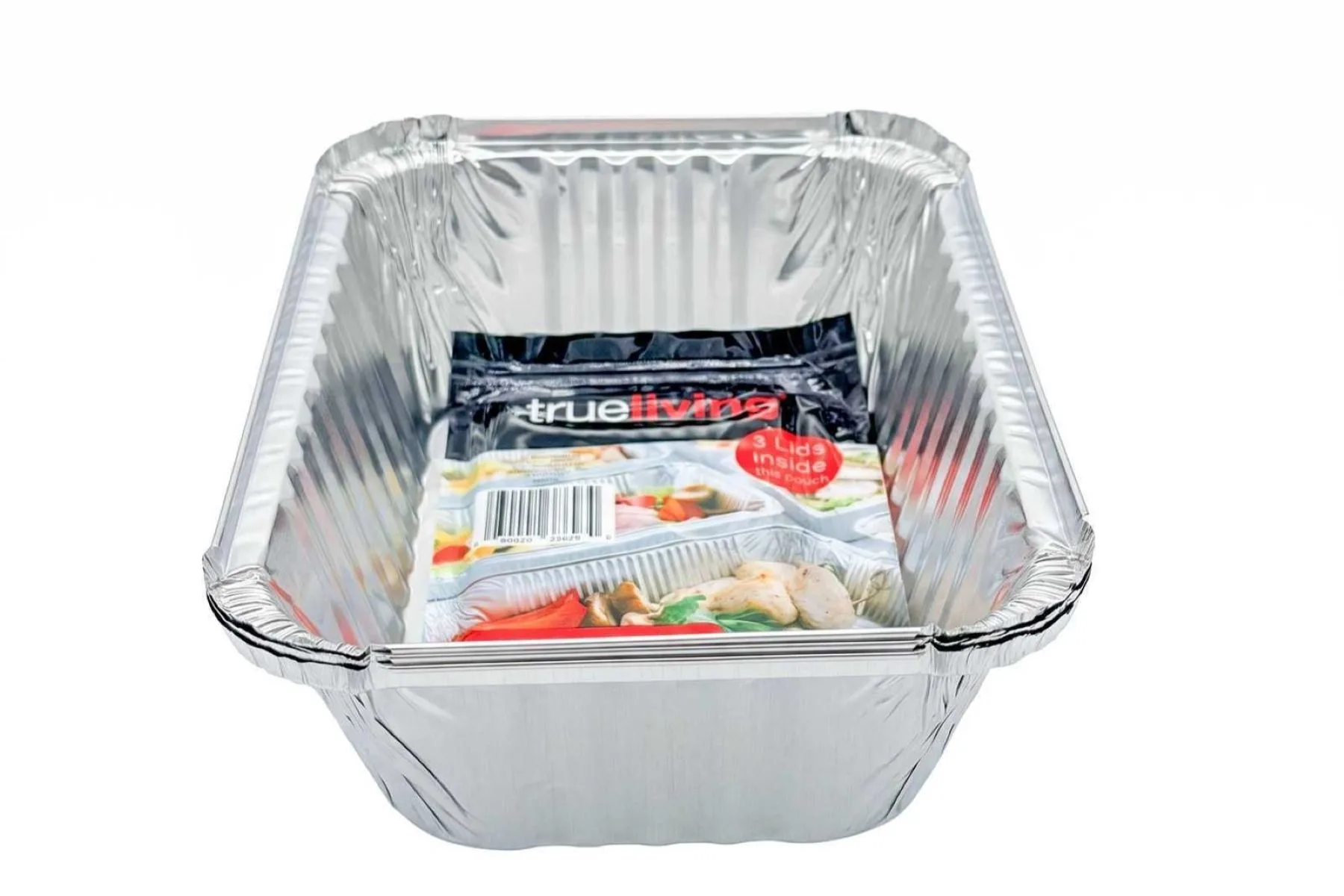 Wyda’s pouch label can hold a folded cardboard lid and carry the branding (Image credit: Wyda Packaging).“For us, useful innovation starts with a problem on the packing line. In our pan-and-lid kits, the aluminum pans were damaged during assembly, and applying a conventional label directly to them added to that risk. Since the change [to our pouch], assembly time efficiency has improved by 30%,” she shares.
“The broader lesson is to assess the whole pack. Reducing the weight of one component is only part of the picture if the packing process is also damaging usable material. The pouch addresses that production problem; a claim about net material reduction or improved recyclability would need a separate comparison of the components and waste involved.”
Securikett says one of its key innovations is Structure Coating, a technology that applies adhesives only where it is functionally required, rather than across the entire label surface. “This reduces adhesive consumption and can improve recyclability while maintaining the security performance of the label.”
“We are also continuously expanding our It’s Paper range of paper-based security labels and tapes. Our latest developments include highly transparent paper security seals, which provide tamper evidence without covering important packaging information or design elements.”
The company spokesperson asserts that these innovations demonstrate that product security, resource efficiency, and packaging design can be addressed together.
Designing for recyclability
Discussing labels’ role in designing packaging that is recyclable, Securikett’s spokesperson notes a “clear shift” toward labels that are a part of the overall packaging system rather than separate components.
“For paper and cardboard packaging, our PaperVoid labels and tapes are designed to be recycled together with the packaging, including adhesives selected for compatibility with paper recycling,” the spokesperson continues.
Meanwhile, Wyda Packaging USA’s Costa points out that some companies are looking for alternatives such as recycled paper and compostable fibers to improve recyclability and reduce waste, or even removing some labels to reduce materials.
“The development I would look for is a label system designed around the material it will enter at the end of use. The label, adhesive, and main package need to be considered together, along with the collection and processing available in that market,” she adds, echoing Securikett’s sentiment.
For plastic packaging, adhesive technology is particularly important, according to Securikett. “Our Structure Coating enables precisely controlled adhesive application, reducing the amount of adhesive used and supporting improved wash-off behavior in suitable recycling processes.”
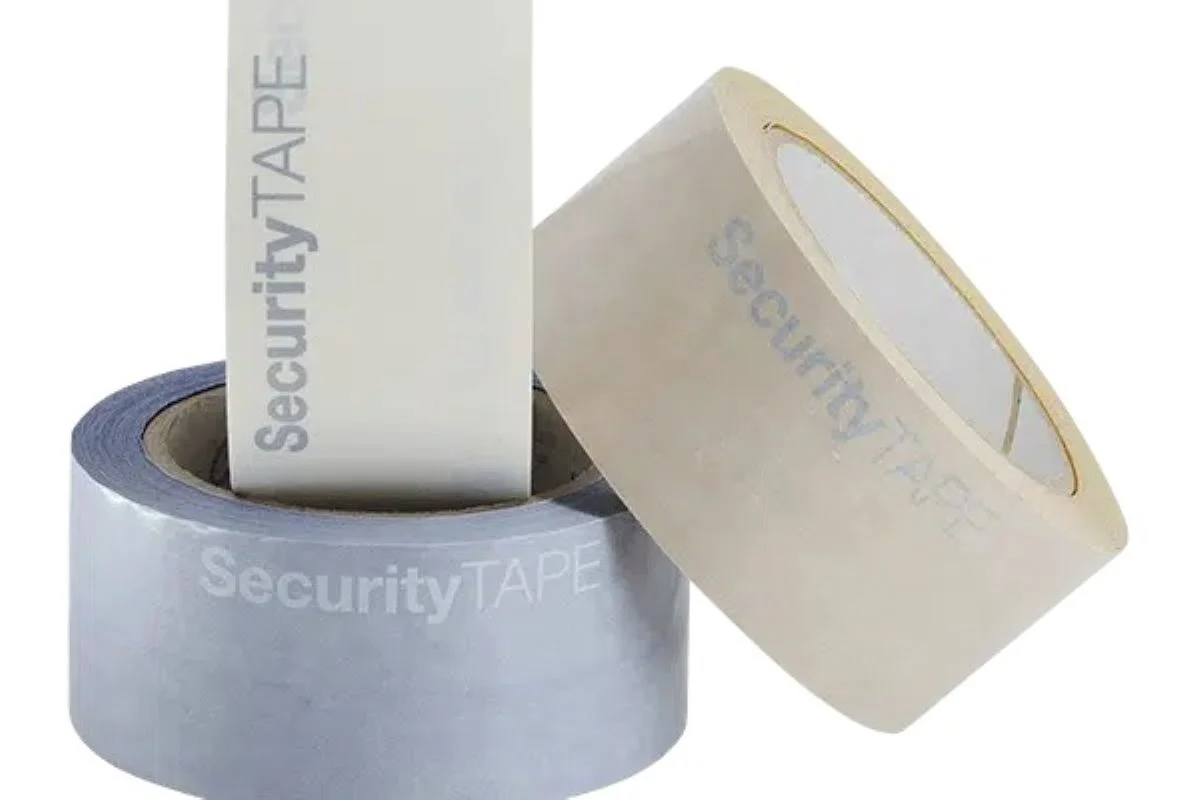 The company highlights the importance of selecting the appropriate label construction for the specific packaging material and recycling stream.
Costa adds that infrastructure and consumer understanding are also part of the challenge.
“That is how I would assess a proposed improvement: does it help the pack move through an actual recycling system, and is the disposal instruction clear enough for the consumer to follow? A promising label technology still needs evidence for its application.”
OPRL’s Allan points to the significance of consumer engagement as a “crucial factor” in any packaging reform. “As designs ensure that packaging becomes more recyclable, we need consumers to dispose of items correctly.”
“OPRL’s research will shed light on consumer attitudes and understanding, but one important distinction to make is that the new labels are likely to refer to material and format rather than to act as direct instructions. We know from our research that consumers may need further instruction for recyclability, with calls to action such as ‘wash’ or ‘scrunch.’”
Balancing durability with visuals
Addressing the importance of balancing labels’ performance and durability with their visual appeal, Costa says that a package must match a customer’s expectations and the way the product will be used.
“Retailers can differentiate through product gauge, pack formats, shelf presentation, and the overall customer experience. Those decisions belong together. For labels, I would apply the same discipline: the branding must be clear, the pack must hold up through handling, and the application process must suit the product.”
“Wyda’s pouch is one practical example because conventional labeling was contributing to pan damage. Moving the branding onto the component holding the lids addressed that problem.”
She also points out that a “better-looking” or “easier-to-assemble” packaging still requires component-specific evidence before it can make a recycling claim.
Securikett’s spokesperson similarly argues that different applications require different solutions. “A security seal on cardboard packaging has different performance requirements from a durable identification label intended to remain attached throughout a product's lifecycle. Our development process takes these differences into account.”
“Sustainability should not come at the expense of functionality, security, or design. Our highly transparent paper-based security seals are a good example. They allow packaging graphics and important information to remain visible while providing tamper-evident protection.”
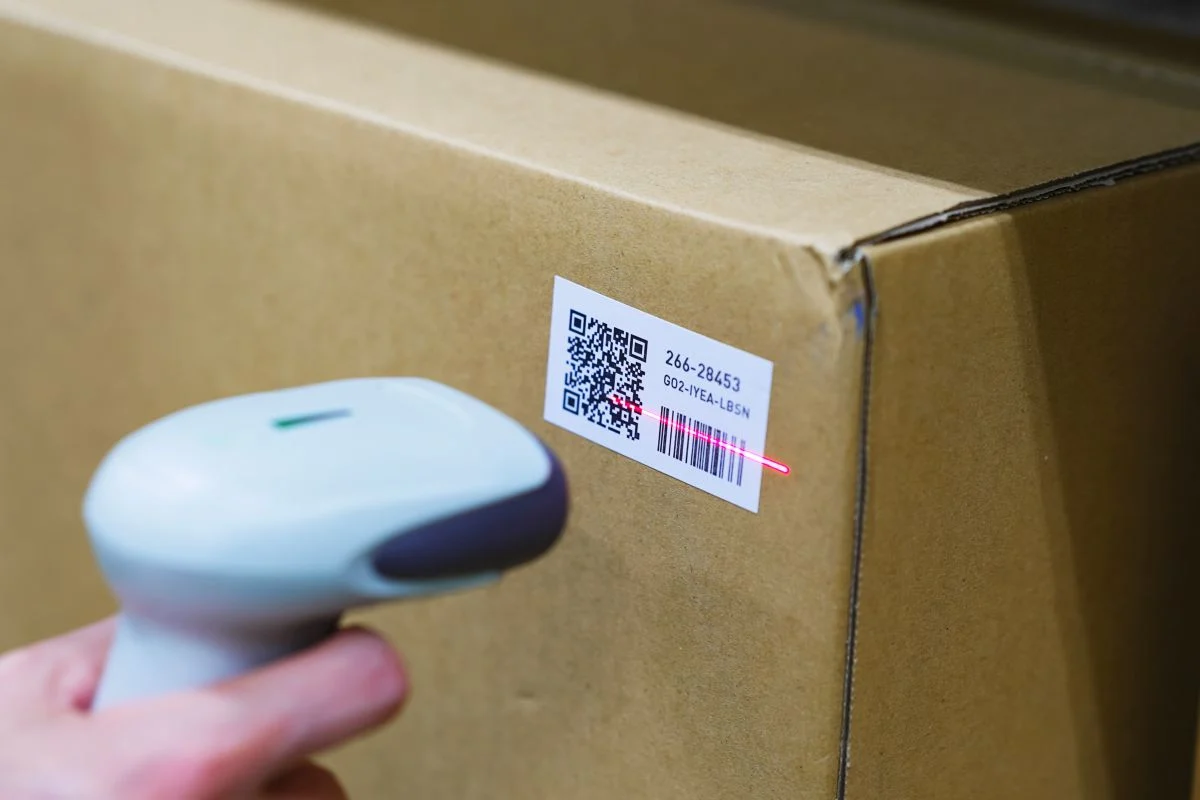 Labels are expected to play a key role in connecting packaging to digital data.“At the same time, our Structure Coating technology demonstrates how material consumption can be reduced through precise adhesive application without sacrificing essential label functions.”
Upcoming trends in labels
Securikett’s spokesperson expects three developments to play a particularly important role over the next few years: material-efficient label constructions, greater compatibility with recycling processes, and the integration of physical labels with digital product information.
“Technologies such as selective adhesive coating will help reduce material consumption, while paper-based and recycling-compatible label constructions will become increasingly important.”
“At the same time, labels will increasingly serve as digital access points. Unique QR codes and Digital Product Passports can connect physical products with information about authenticity, origin, materials, and lifecycle management.”
The company says that the future lies in multifunctional labels that combine product protection, resource efficiency, and digital connectivity in a single solution.
OPRL’s Allan notes that the EU’s PPWR labeling rules will introduce EU-wide waste-sorting labels with the aim of helping consumers sort waste effectively, identify reusable packaging and items included in deposit return systems, and indicate recycled and bio-based content.
“Once the EU has finalized its labeling system, the UK will follow to define its own labelling system. It is anticipated the UK’s packaging EPR labels will most likely align with the EU, to meet the requirements of the Windsor Framework.”
Wyda’s Costa adds that discussions in labeling have moved beyond putting a retailer’s name on a standard product. “We have seen interest in different sizes, formats, and product bundles, with shelf presentation forming part of that differentiation. Labels have to work with those choices.”
“Materials will be part of that shift too: different materials such as recycled paper, alternative glues, and reducing or removing materials that can be harmful.”
She also expects clearer communication about materials and disposal to matter more in the months and years ahead. “A claim is only useful if people understand which component it describes and what action to take.”
“The opportunity is to make the package easier to use and easier to understand, while ensuring the design works in production. Sometimes that will mean combining functions, as with our pouch; other applications will need a different solution.”