



Nivea, ExxonMobil and partners develop 22% PCR PE shrink film

Key takeaways
- Nivea is adopting a collation shrink film containing 22% post-consumer recycled PE for selected skin care packaging.
- The four-party collaboration combines Green Worms’ PCR, ExxonMobil’s polymer, and Vardhaman Polypacks’ film conversion expertise.
- The partners say the film maintains shrink balance, puncture resistance, tensile strength, and elongation despite incorporating recycled content.
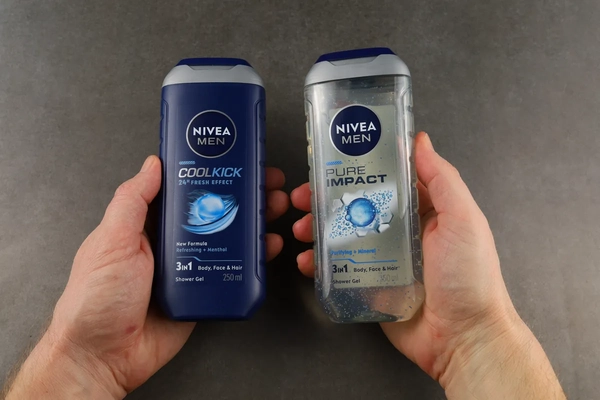
ExxonMobil Signature Polymers, Nivea, Green Worms, and Vardhaman Polypacks have developed a 22% post-consumer recycled (PCR) PE collation shrink film for Nivea skin care packs, such as body lotion bottles and tubs.
The solution is said to balance machine direction and transverse direction shrinkage, compared to a reference film where transverse direction was “very high.”
Meanwhile, it also aims to achieve “improved” elongation and tensile properties compared to virgin polymer film, as well as strong puncture resistance “despite the incorporation of PCR content.”
“This four-party collaboration demonstrates how value-chain partnerships can help deliver scalable film solutions with sustainability benefits such as incorporation of PCR content without compromising quality,” says ExxonMobil.
The solution combines Vardhaman Polypacks’ film conversion abilities, Green Worms’ PCR granules produced from flexible packaging waste, and ExxonMobil’s Exceed Stiff+m 0238 polymer.

Green Worms is an India-based waste management company that collects dry ocean-bound plastic waste in Kerala, Tamil Nadu, and the Andaman region. It produces PCR pellets from plastic waste such as milk pouches, trash liners, general liners, and collation shrink films.
Meanwhile, Vardhaman, also based in India, is a packaging converter and long-term supplier of collation shrink films to Nivea.
Balancing performance & material efficacy
Collaboration across the value chain is increasingly positioned by the industry as key to helping “deliver more environmentally conscious packaging and help companies reach their goal of reducing use of virgin plastics.”
ExxonMobil also notes that material performance remains a “key priority” for brands.
Packaging Insights spoke to Peak Nano, ProAmpac, Uflex, and SIG about this at Pack Expo 2026, discussing how the packaging industry’s efforts to reduce material, increase PCR content, and simplify structures to support recyclability without compromising performance.
Recent research by ExxonMobil and researchers at Michigan State University, Trayak, US, evaluated five common packaging applications and 47 packaging systems, finding that PE can “often” lower environmental impact across a product’s full lifecycle.
Sustainability goals meet reality
Nivea’s parent company, Beiersdorf, aims to reach net zero by 2045. To align with this, Nivea aims to integrate PCR PE content into the collation shrink packaging for its skin care products. It recently incorporated a 95% recycled aluminum tin for its classic personal care brand Nivea Creme.
As concern around plastic pollution and climate change grows, large FMCG companies are increasingly innovating to reach self-imposed sustainability targets.
Recently, Coca-Cola, Nestlé, and Danone committed to changing recycling claims advertised on their plastic bottles in the EU.
Meanwhile, Unilever met its own plastic reduction goals, but Greenpeace argued that its targets fall short of addressing the full scale of plastic pollution.
Despite a wave of commitment to addressing practices that contribute to climate change and plastic pollution in the early 2010s, many FMCG companies, such as Coca-Cola, Unilever, and PepsiCo, have now rolled back sustainable packaging targets, citing cost and resource pressures.