


PET thermoform collection rises as rPET use declines, finds industry research


Key takeaways
- NAPCOR finds PET thermoform collection reached 264 million pounds in the US and Canada in 2024, despite recycling infrastructure and market pressures.
- Post-consumer rPET use in thermoform feedstock dropped from 18% to 12%, widening the circularity gap.
- Advanced sorting and chemical recycling could support food-grade PET recovery, but policy, investment, and end-market demand remain critical.
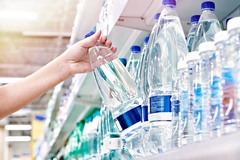
PET thermoform collection in the US and Canada has increased despite recent losses in domestic recycling capacity, market instability, and imported recycled PET (rPET), finds new research from the National Association for PET Container Resources (NAPCOR).
According to NAPCOR’s 2024 PET Thermoform Market Analysis, 264 million pounds of PET thermoforms were collected for recovery in 2024. This total includes domestically recovered material and exports for recycling.
NAPCOR’s report outlines the challenges hindering PET recycling and calls for policy and investment to strengthen North America’s recycling infrastructure.
“Recovered material is already being incorporated back into PET thermoforms in non-food and non-medical applications at relatively high levels, but the share of these applications is small compared to food and foodservice packaging,” Lauren Laibach, NAPCOR’s director of data services, tells Packaging Insights.

She outlines that the main barriers to PET use in foodservice packaging are related to performance, food contact regulation, and infrastructure limitations. “Pricing pressure from more economical virgin PET is also a major component.”
The research found that virgin PET accounted for 79% of thermoform feedstock purchases, while the use of post-consumer rPET declined from 18% to 12% between 2023 and 2024.
“This represents a widening circularity gap for PET thermoforms despite increased collection,” states the report.
Laibach says that NAPCOR’s PET Thermoform Committee aims to engage stakeholders in the PET recycling chain to improve quality and performance for recovered thermoforms.
Recycling technologies
The research argues that advanced sorting technologies, like AI-enabled sortation, can improve PET thermoform recovery.
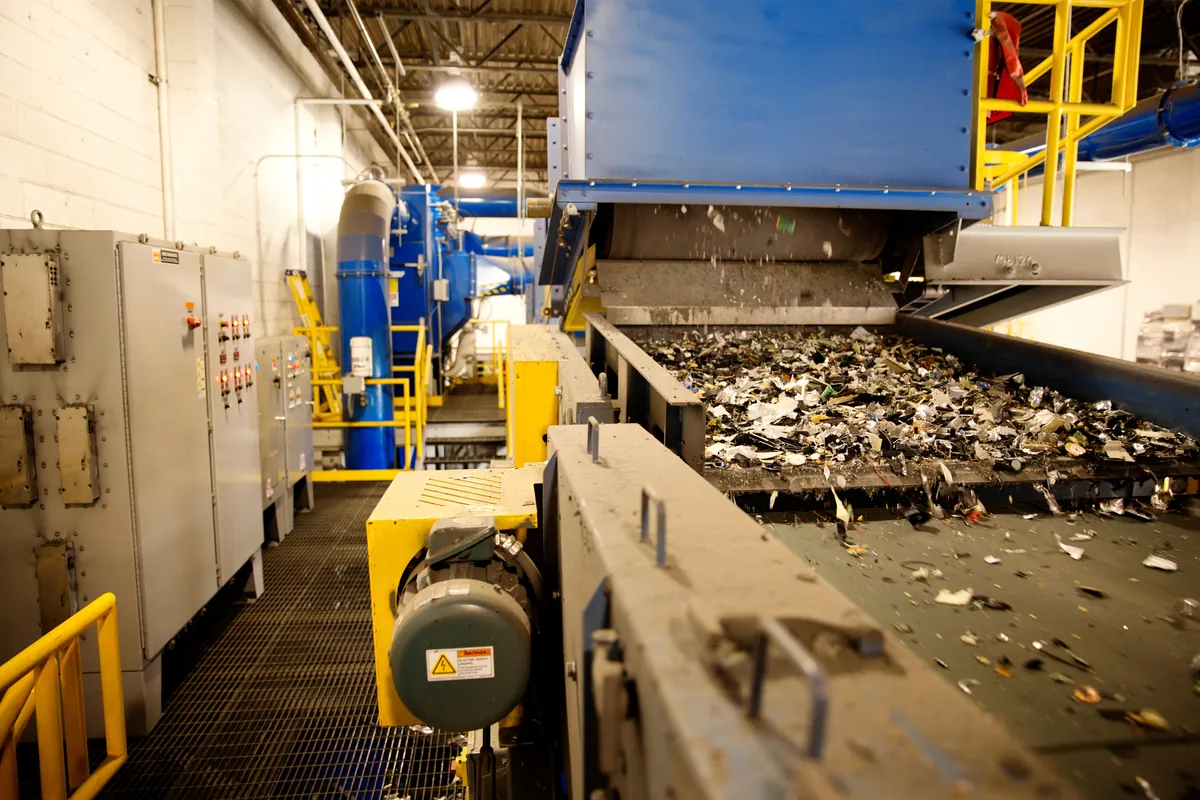 The research argues that advanced sorting technologies can improve PET thermoform recovery.Srinivasan “Shankar” Prabhushankar, NAPCOR’s technical director, tells Packaging Insights about how advanced sorting and chemical recycling can help increase rPET use in food contact packaging.
“Advancements in optical sortation and robotics have helped reduce the impacts caused by non-PET ‘look-alike’ thermoform packaging that contaminates the PET stream. Even so, mechanical recyclers generally have an upper limit for preferred thermoform content in curbside PET bales because it is associated with increased yield loss and material quality concerns compared to PET bottles.”
The report also notes that recycling challenges remain due to contamination, processing losses, and the limited availability of dedicated thermoform recycling infrastructure.
Prabhushankar adds: “Chemical recycling is an ideal pathway to drive further recovery of PET thermoforms because even with contaminants such as lidding films, labels, and adhesives, the packaging can be broken down into high-quality raw materials suitable for creating new, food-grade PET.”
He adds that chemical recycling can “unlock greater potential” for thermoform-to-thermoform circularity in the food contact sector than is offered by mechanical recycling alone.
“But additional interventions to bridge the gap between recovery and end-market demand will likely still be required.”