
Biodegradable PLA-lined cups release more microplastics than PE solutions, study finds

Key takeaways
- Researchers have found that PLA-lined paper cups release significantly more microplastics than PE-lined alternatives when exposed to hot liquids.
- The study highlights the need to assess food-contact materials beyond sustainability labels.
- Researchers call for greater transparency around cup coatings and improved design of liners that reduce microplastic exposure.
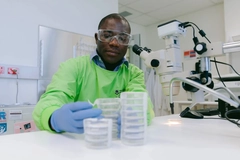 Dr. Elvis Okoffo, research fellow at QAEHS.
Researchers from the University of Queensland, Australia, have discovered that single-use paper cups using bio-based polymer liners released more microplastics than some of those using fossil-based plastic polymer liners.
The University of Queensland’s Queensland Alliance for Environmental Health Sciences (QAEHS) examined single-use cups lined with PE and the biodegradable plastic polylactic acid (PLA). Researchers found that the two types of cups both released plastic particles, but the PLA or biodegradable plastic-lined cups released 12 times more.
Dr. Elvis Okoffo, research fellow at QAEHS, tells Packaging Insights: “Our findings highlight that replacing conventional plastics with materials marketed as ‘biodegradable’ does not necessarily mean there will be less plastic particle release during use.”
“This does not mean that PLA is inherently worse than PE, but it shows that we need to look beyond labels such as ‘biodegradable’ and consider how these materials behave during real-world use, including their potential to release micro- and nanoplastic particles.”
The study, published in ACS Food Science & Technology, highlights that biodegradable plastic materials can contribute to a significant amount of nanoplastics exposure during routine use.
Evaluating real-world particle release
Okoffo underscores that a hot beverage cup made mostly of paper does not mean that the cup is plastic-free, as many contain a thin plastic lining that provides water resistance and structural integrity.
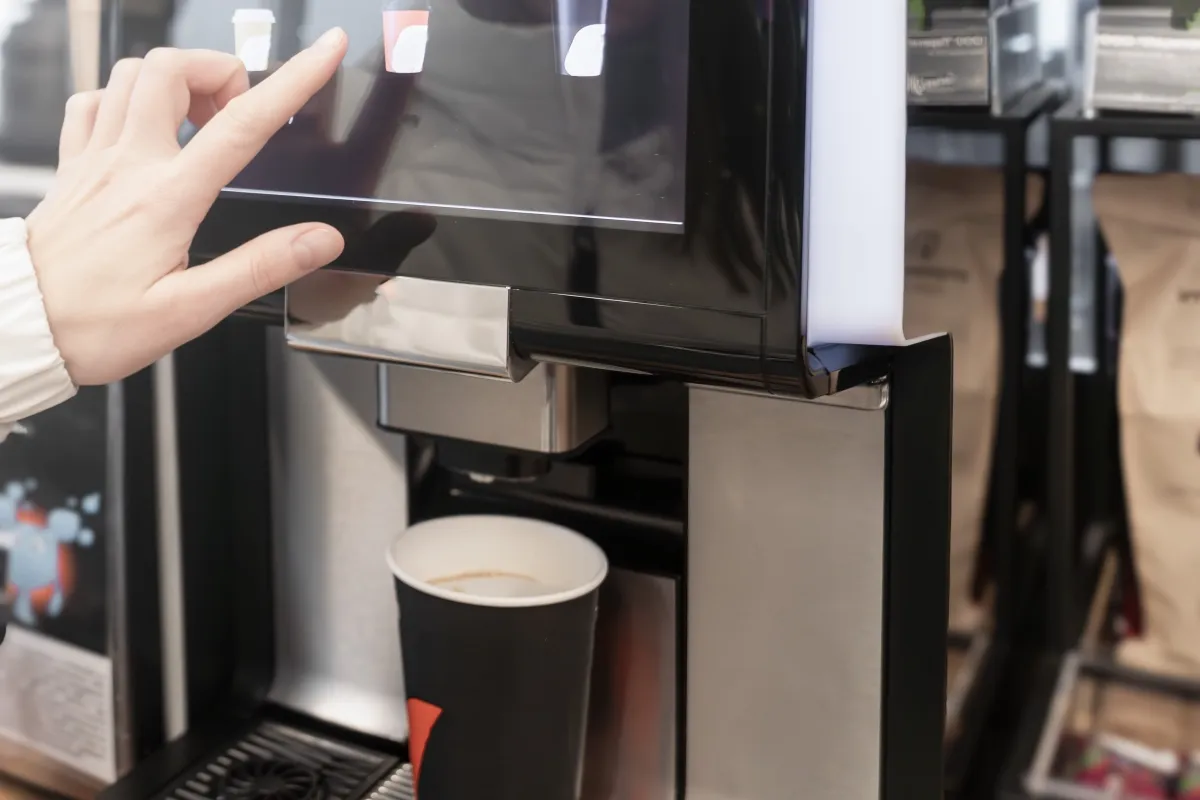 Scientists underscores that biodegradable plastics can release nanoplastics during routine use.“Our results show that plastic-lined paper cups release substantial quantities of micro- and nanoscale plastic material when exposed to hot water. Policymakers and regulators could consider whether testing for micro- and nanoplastic release should form part of the safety assessment of food-contact materials, particularly products designed for hot beverages,” he says.
The scientist tells us that greater transparency is essential because consumers currently have limited information about the coatings, additives, and other materials used in food-contact packaging.
“A paper-based product, for example, may still contain a polymer coating or other additives that are not obvious from the packaging. Better disclosure and more comprehensive assessment of food-contact materials would help consumers make more informed choices and would also encourage the development of safer and more sustainable packaging alternatives,” Okoffo explains.
“Product manufacturers could consider developing cup linings that release fewer plastic particles when exposed to hot liquid. By combining better product design, improved labeling, and public awareness, we can help limit the amount of plastic entering both our bodies and the environment.”
This week, scientists from the Food Packaging Forum Foundation urged that the assessment of food contact chemicals be evaluated in groups of structural similarity, rather than on an individual basis.
Last month, a white paper released by experts at the University of Technology Sydney Business School, Australia, underscored the business risks of failing to respond to scientific evidence and consumer awareness of the potential harms associated with microplastics.
Meanwhile, Cleanr, a US eco-technology start-up, announced the plan to launch a stainless-steel straw filter designed to reduce microplastics and other contaminants in reusable water bottles.