


Plasma coating found to boost moisture resistance of bio-based packaging films


Key takeaways
- NC State researchers developed a plasma-based surface treatment that improves the moisture resistance of CNF films.
- The technology reduced water absorption in CNF films while maintaining their structural properties, but further testing is needed.
- The research could support alternatives to multilayer fossil-based flexible packaging, although commercialization challenges remain.

Bio-based cellulosic nanofibril (CNF) films from natural fiber are touted as a more environmentally-friendly alternative to conventional fossil-based flexible plastic films used in packaging. However, CNF films’ moisture absorption properties can compromise their structural integrity, according to scientists at North Carolina State University (NC State), US.
The research team used plasma technology to layer a protective coating on the surface of CNF film to reduce water absorption and improve its moisture resistance. This can prevent the film from losing strength and reducing its gas barrier performance, which in packaging, can compromise product protection and shorten shelf life, according to the researchers.
“This research provides a practical strategy for turning natural plant and tree fibers into functional, water-resistant packaging,” says Nathalie Lavoine, an associate professor in the Department of Forest Biomaterials at NC State. “It moves society one step closer to replacing everyday plastic wraps with renewable, biodegradable materials.”

Discussing what needs to happen before the plasma treatment can be tested in commercial packaging applications, Lavoine tells Packaging Insights that several key research steps are still required.
“While our current study successfully achieved liquid water resistance, further work is needed to optimize the water vapor barrier performance for higher-sensitivity food products,” she details. “Additionally, testing for oxygen, grease, and other barrier properties will need to be conducted, as those evaluations were not part of this initial study, along with investigating production scaling.”
The study, published in Applied Surface Science, found that one of the plasma-treated coatings lowered CNF films’ water absorption to less than 1%, while another weakened the film’s moisture barrier, allowing more water vapor to enter.
Surface modification of cellulose nanofibril films via organosilicon deposition using dielectric barrier discharge plasma (DBD) plasma for packaging applications - ScienceDirect
The researchers explain that these results show that the dielectric barrier discharge (DBD) plasma technology used in the experiment can accurately control how CNF films interact with moisture, “opening new possibilities for plant-based packaging.”
Replacing conventional plastic
 Nathalie Lavoine, an associate professor in the Department of Forest Biomaterials at NC State (Image credit: NC State).The NC State researchers point out that conventional packaging products such as potato chip bags, confectionery wrappers, and squeeze pouches are usually made by fusing multiple layers of petroleum-based plastics with materials like aluminum foil or paper.
According to Innova Market Insights data for the period between July 2021 and June 2026, flat pouches accounted for 50% of snack packaging launches. Cup packaging formats showed the fastest growth, while plastic was the dominant packaging material.
In a recent conversation with Packaging Insights, experts at Greiner Packaging, LyondellBasell Industries, PureCycle, and TNA Solutions said that flexible packaging still dominates the snack market.
The layers of such flexible packaging are difficult to separate at standard recycling facilities, the researchers highlight. “As a result, it may end up in landfills, where it can eventually break down into microplastics that can contaminate soil and water.”
The research team behind the plasma treatment for bio-based CNF films says that their discovery could help curb the environmental footprint of plastic.
Scaling bio-based films
Further highlighting the issue of moisture absorption for bio-based films, the research team points out that if CNF were used in a potato chip bag and that bag were exposed to high humidity, moisture could permeate the film and reach the chips inside. This would likely lead to the chips losing their crispness and becoming stale.
Additionally, moisture promotes the development of bacteria in some foods, resulting in foodborne illness.
The scientists argue that their plasma treatment tackles this by modifying the surface of CNF films to block water, while also preserving the original mechanical performance and structural integrity of the films’ cellulose.
According to Lavoine, the primary advantages of the plasma treatment are that it is more sustainable than traditional chemical coating processes that can use large amounts of water, generate heat, and produce toxic waste.
She says that the plasma technology is scalable and already used in some packaging processes, which she expects to facilitate a “seamless integration” into existing manufacturing lines.
The researchers say that CNF films’ permeability can make them suitable for medical products such as breathable wound dressings, but this property has to be minimized for packaging applications where moisture resistance is essential.
Challenges ahead
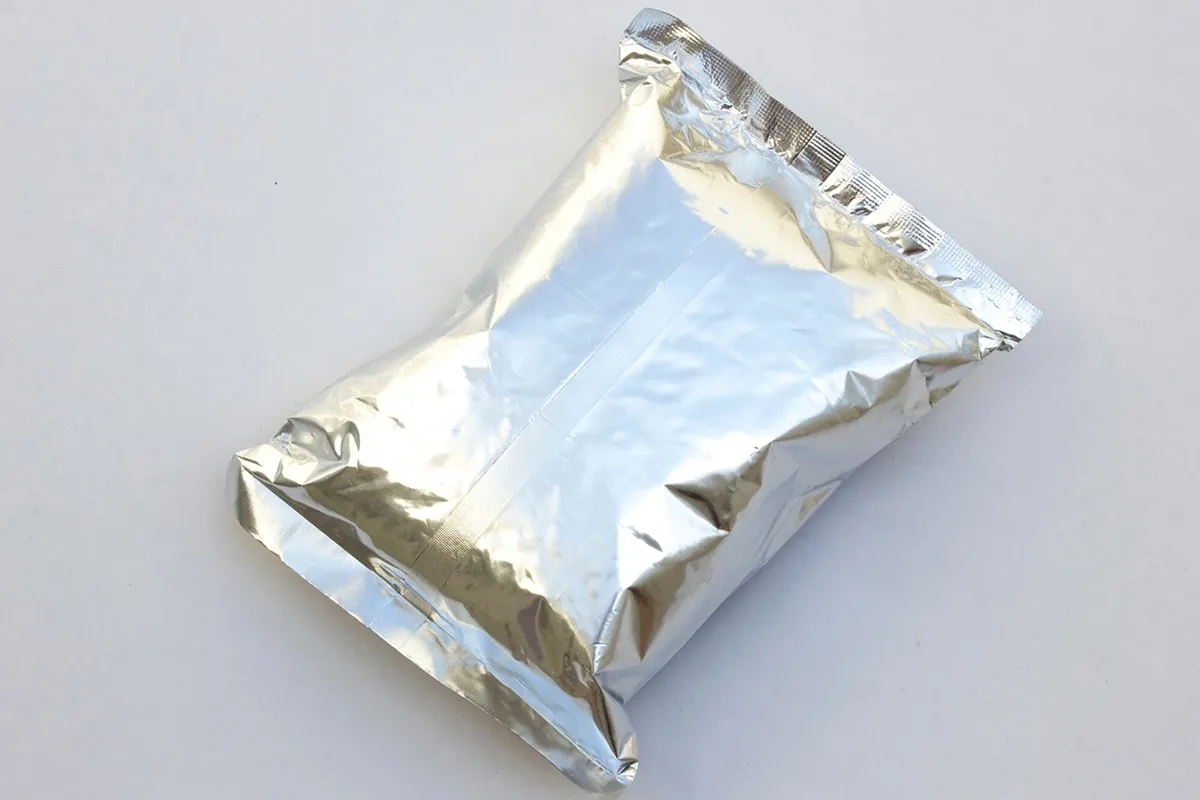 NC State’s plasma surface treatment could improve the moisture resistance of certain bio-based films (Image credit: NC State).Lavoine outlines that she and her team still need to address several challenges before their DBD plasma treatment reaches real-world production, including refining the process to stop water vapor from leaking through.
“Since this particular study focused on the underlying fundamental science of plasma-treated CNF films, our research was designed to establish basic proof-of-concept rather than commercial or applied performance,” she explains.
“As a result, we did not test parameters like heat-sealing, specific food packaging applications (like chips or confectionery), or industrial machinery compatibility.
Lavoine says additional testing and optimization are also required to determine coating speeds, energy use, and physical durability to test if the material can cope with real-world handling while remaining economically viable, as well as environmentally and socially safe.
In recent bio-based film and packaging commercialization news, Innomost developed a bio-based barrier coating from upcycled Nordic birch bark for food, dried goods, and non-food packaging.
Additionally, Südpack launched Planova, a bio-based, biodegradable polylactic acid (PLA) film solution for potted plants, while TotalEnergies Corbion introduced Luminy Foam 50F, a high melt strength PLA for extrusion foamed packaging.
However, some question the environmental sustainability credibility of bio-based packaging materials.
For example, when the Publications Office of the EU published a study concluding that bio-based plastic packaging can support the climate-neutrality goals of the Packaging and Packaging Waste Regulation, advocacy groups ECOS, Rethink Plastic Alliance, Fern, and the Environmental Paper Network expressed concerns regarding the toxicity of bioplastics.