


Packaging premiumization defies supply chain strain at Fi Africa and ProPak MENA 2026


Key takeaways
- At Fi Africa and ProPak MENA 2026, experts identified premiumization and sustainability as the dominant F&B packaging trends across the Middle East and Africa.
- FSSC's Necat Kirkil argues packaging is now a leading purchasing differentiator in the MENA region, with regional regulation shifting toward circularity.
- Expectations vary by sub-region, but sustainability, food safety, and supply chain resilience are converging as shared priorities.
The global supply chain instability and evolving regulatory environment are impacting F&B packaging choices in Africa and the Middle East, with premiumization and sustainability emerging as key trends driven by Gen Z consumers.
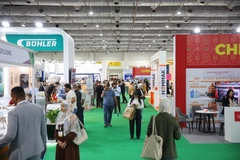
These developments were highlighted by packaging industry experts at Fi Africa and ProPak MENA 2026, the region’s largest food ingredient and F&B packaging exhibition, held at Egypt’s International Exhibition Center (June 2–4) and attracting over 400 exhibitors and around 16,000 attendees from more than 35 countries.
At the trade show, Necat Kirkil, regional representative at FSSC, the global non-profit and independent certification scheme, held a workshop on global food safety requirements and regulatory expectations, food safety management systems, and harmonization.

“In the Middle East and North Africa (MENA) region, packaging has become one of the most important drivers of consumer purchasing decisions,” Kirkil tells Packaging Insights. “Regional cultural alignment is particularly important. Packaging that reflects local values, traditions, and consumer preferences often creates a stronger connection with consumers and helps brands stand out in increasingly competitive markets.”
He argues that packaging has become the key differentiator on the shelf, even when competing products contain similar ingredients.
“The region’s relatively young and highly digital population is also accelerating change. Exposure to global brands, social media, and e-commerce has increased demand for premium packaging experiences, particularly in the Gulf Cooperation Council (GCC), while also raising awareness of sustainable, reusable, and environmentally responsible packaging solutions.”
Beyond appearance, consumers are paying greater attention to packaging’s role in preserving product quality, ensuring food safety, extending shelf life, and reducing food waste, Kirkil notices.
“This is particularly relevant in a region where food security remains a strategic priority for many governments. As a result, the most successful packaging solutions are those that combine strong shelf appeal with sustainability, functionality, and consumer trust.”
Regulations drive recycling and reuse
 Necat Kirkil, regional representative at FSSC, the global non-profit and independent certification scheme.Rather than a single regulation affecting the entire region, the key trend across MENA is a gradual shift toward more sustainable packaging requirements and circular economy initiatives, asserts Kirkil.
“Governments are increasingly supporting sustainability investments, not only for large manufacturers but also for SMEs, encouraging the development of recyclable, reusable, and resource-efficient packaging solutions.”
“Several countries are already taking concrete steps. The United Arab Emirates (UAE) has introduced measures to reduce single-use plastics, while Saudi Arabia’s Vision 2030 agenda is driving investments in recycling, waste reduction, and circular economy infrastructure. Across the region, sustainability is increasingly moving from a corporate initiative to a policy priority.”
Last year, the UAE announced a pilot EPR, and Saudi Arabia issued new fruit and vegetable packaging requirements for improved food safety and circularity.
Kirkil says this transformation is the result of domestic objectives as well as international trade requirements. “Many MENA manufacturers supply European and global markets and will increasingly need to align with evolving expectations on recyclability, material reduction, traceability, and environmental performance.”
“In particular, developments such as the EU’s Packaging and Packaging Waste Regulation are expected to influence packaging design and material choices well beyond Europe.”
Coping with disruptions
The recent supply chain interruptions and geopolitical tensions have reinforced the importance of resilience and food security, according to Kirkil.
“As a result, governments are encouraging greater local manufacturing capacity and more resilient supply chains. Packaging plays a critical role in this transition by extending shelf life, reducing food loss and waste, protecting food safety, and supporting the efficient movement of products through increasingly complex supply chains.”
“The pace of change will vary across the region. Some countries are already leading the transition, while others are progressing more gradually. However, the overall direction is clear: sustainable, food-safe, and resilient packaging solutions are becoming a business necessity rather than a future aspiration.”
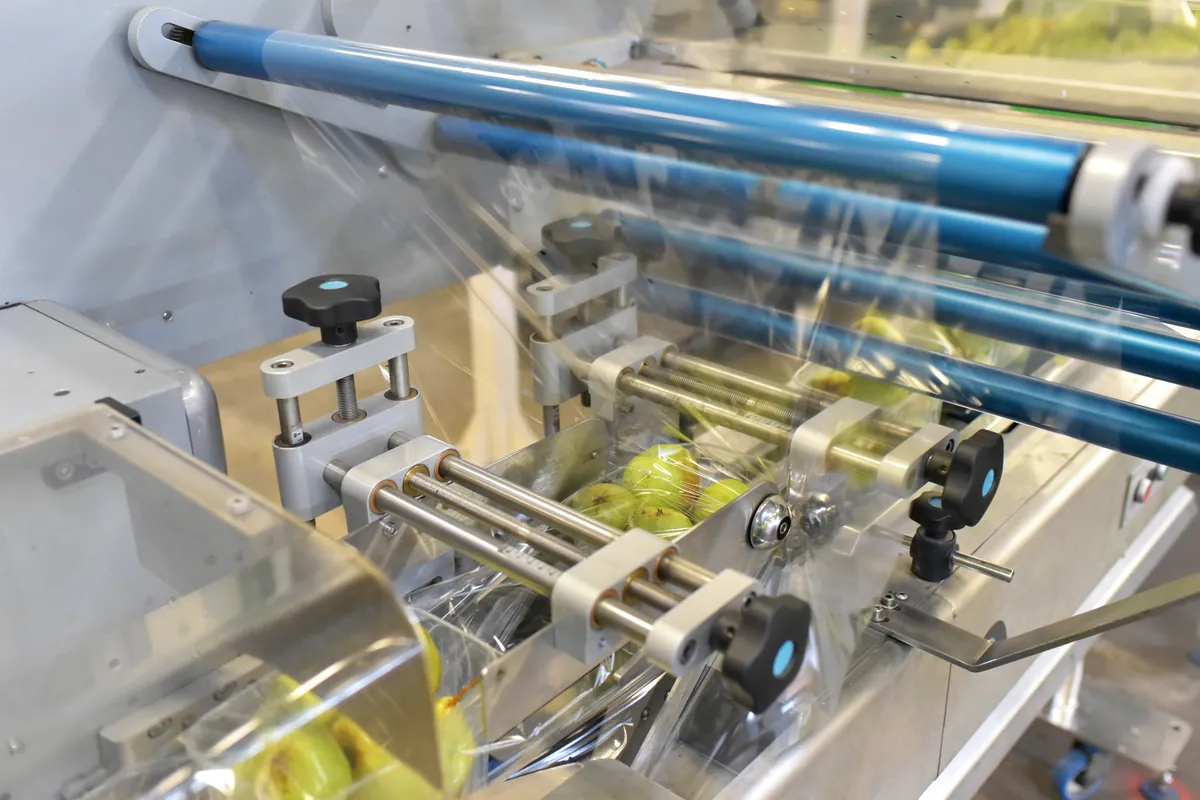 Packaging is key to protecting products throughout supply chains in the region.Kirkil highlights the importance of packaging as a “silent guardian of food security,” protecting products throughout the supply chain, reducing waste, and maintaining consumer trust.
“This principle is also reflected in food safety certification schemes such as FSSC 22000, where packaging is recognized as a critical element in delivering safe products to consumers,” he points out.
When designing or modifying primary packaging, organizations are expected to consider factors such as product protection, shelf life preservation, prevention of contamination, reduction of food loss and waste, and clear communication of handling and storage requirements.
“This is particularly relevant in a region where food security remains a strategic priority,” he states. “Packaging that effectively extends shelf life, reduces spoilage, and protects product quality can make a meaningful contribution to reducing food loss across the supply chain.”
Regional discrepancies
Packaging expectations differ across the Gulf states, North Africa, and Sub-Saharan Africa, reflecting variations in economic development, consumer purchasing power, retail maturity, and infrastructure, Kirkil outlines.
“However, the gaps are gradually narrowing as consumers across the region are increasingly influenced by the same global brands, digital platforms, and sustainability discussions.”
In the Gulf region, particularly in the UAE and Saudi Arabia, consumers increasingly expect packaging to deliver a premium experience. Strong emphasis is placed on esthetics, convenience, sustainability, and innovative designs that enhance brand value, the expert notes. “The Gulf is often among the first regions to adopt emerging packaging trends, driven by high consumer expectations and purchasing power.”
“In North Africa, packaging must balance affordability, product protection, and brand appeal. While premiumization is growing, especially in urban markets, cost efficiency and functionality remain important considerations. The region’s manufacturing base and close trade links with Europe are also accelerating the adoption of international packaging requirements.”
“In many Sub-Saharan African markets, packaging is often expected to address practical challenges related to distribution and product preservation,” adds Kirkil. “Extending shelf life, protecting products during transportation, and reducing food loss are frequently higher priorities, particularly where cold chain infrastructure is still developing.”
Across regions, sustainability, food safety, and supply chain resilience are said to be growing in importance.
Gen Z consumers demand sustainability
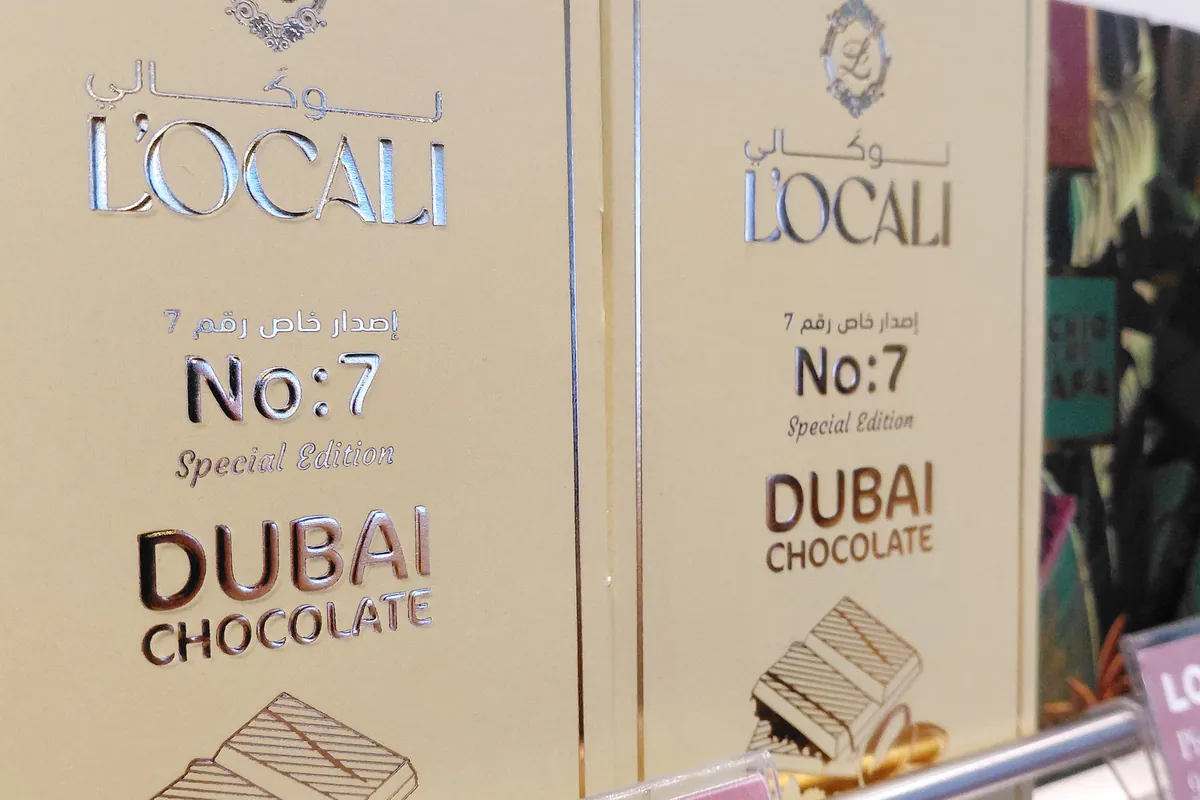 Premiumization is one of the most important trends across F&B and personal care packaging in the MENA region, according to Kirkil.Kirkil says that younger consumers across the region are paying increasing attention to recyclability claims, packaging transparency, and, to a lesser extent, refill models.
“Having grown up in a digitally connected world, generation Z is highly exposed to global sustainability discussions. They expect clear, honest communication about what packaging is made from and whether it can be recycled, and are increasingly skeptical of vague environmental claims.”
“This shift in consumer expectations is driving an evolution in packaging manufacturing. To meet these demands, manufacturers are increasingly transitioning toward more recyclable solutions, such as monomaterial packaging, which can improve recyclability while maintaining product protection and shelf appeal.”
He adds that large multinational and leading regional brands are often at the forefront of this transition, introducing sustainable packaging innovations to strengthen engagement with younger consumers and align with their global sustainability commitments.
“That said, purchasing decisions are rarely driven by sustainability alone. Affordability, convenience, product quality, and attractive design remain critical factors, particularly in developing markets. The trend is not that younger consumers are choosing between sustainability and value, but that they increasingly expect both.”
Across the MENA region, adoption levels vary by country and consumer segment, but the overall direction is clear, he argues: “Younger consumers are accelerating demand for packaging that combines strong design, transparency, functionality, and environmental responsibility.”
Premiumization dominates
Kirkil asserts that premiumization has become one of the most important trends across F&B and personal care packaging in the MENA region.
“In the F&B industry, many companies are generating real revenue growth simply by redesigning their packaging to look and feel more premium. In some cases, brands create renewed consumer interest and strengthen their market positioning without significantly changing the product itself.”
“The trend is even more pronounced in cosmetics, fragrances, and personal care, where packaging is an integral part of the consumer experience. Across the GCC, rising purchasing power, sophisticated consumer preferences, and the influence of social media have increased demand for premium materials, distinctive designs, and memorable unboxing experiences.”
“In fragrance and beauty, the region has evolved from largely following global trends to increasingly shaping them. Today, packaging ideas born in Dubai and Riyadh are inspiring product launches and brand concepts beyond the region, reflecting the growing influence of MENA consumers on global markets.”
He points out that premiumization today is not only about luxury esthetics. “Consumers increasingly expect premium packaging to also deliver functionality, convenience, sustainability, and product protection. The most successful brands are those that combine visual appeal with practical value and environmental responsibility.”