
Sawdust foam emerges as potential alternative to PS packaging


Key takeaways
- Scientists have developed early-stage sawdust-based foams, with some prototypes matching PS in strength and impact resistance.
- The foams can be made rigid or flexible depending on the binder used, while a beeswax coating improves water resistance under humid conditions.
- The research comes as regulations worldwide increasingly target PS foam packaging, with bans advancing in several countries and US states.
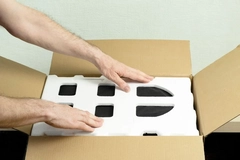
Scientists have developed sawdust-based foams that could offer an alternative to fossil fuel-based materials used in protective packaging, such as polystyrene (PS) packing peanuts and box inserts.
Published in ACS Applied Polymer Materials, the prototypes incorporate cellulose binders and other additives to create rigid or flexible materials. According to the scientists, some versions matched PS strength and impact resistance, while a beeswax coating improved water resistance.
Todd Emrick, professor at the University of Massachusetts Amherst, US, and the corresponding author of the study, tells Packaging Insights: “PS and related foams are highly engineered materials developed over many decades. The initial driver for this work was in packaging foams, which are used in abundance to protect materials in transit.”

“Since our initial assessment of mechanical properties appears promising, such sawdust-based foams may be examined further in all sorts of applications. For packaging applications, I don’t see any limitations at the moment. The material could potentially be used for packaging for electronic materials, consumable goods, food, as well as chemicals and biologics.”
Material from wood waste
The team blended fine processed wood powder or coarse unprocessed mill waste with cellulose binders and cross-linking ingredients. Then, the researchers poured the mixtures into molds, froze them, and freeze-dried the foams to remove all the moisture. A final heat-drying step activated the cross-linked networks.
The properties of the prototype foams can be different depending on the type of cellulose binders. Carbomethyl cellulose versions were stiffer than PS, while hydroxypropyl cellulose produced a softer material, according to the research.
S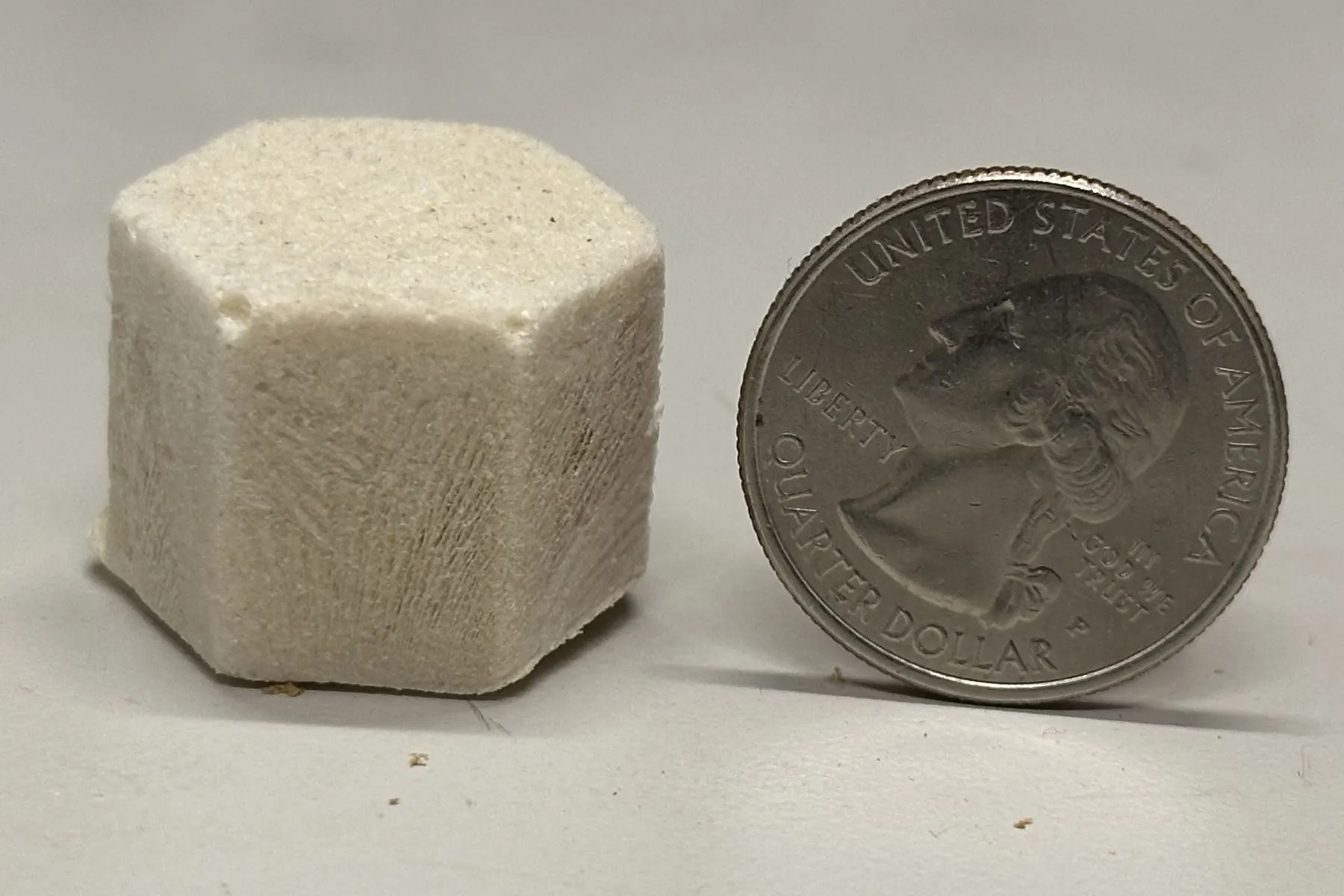 The sawdust-based foams may be further examined for high-end packaging, where lightweight and protective materials are essential.tability tests demonstrated that the biobased foams containing cross-linking ingredients absorbed and released water while resisting dissolution in acetone, unlike PS. The scientists share that a beeswax coating can improve the water resistance of the foam samples when exposed to high humidity.
“We haven’t done a long-term stability study yet. But in the weeks-to-months time frame, the liquid stability appears to be excellent, which is a useful feature during shipping in case of leakage or spills, or simply for production and storage under different environmental conditions,” says Emrick.
“This is new and early-stage research; it’s difficult to say anything definitive. However, seeing that we were able to replicate some of its properties with foams produced from waste products, in this case, sawdust waste, I would think that the prospects are good for developing competitive materials with respect to performance and cost.”
Regulations have been driving markets away from PS foam packaging. This year, Alaska’s state senate voted to ban single-use PS foodware from restaurants and government buildings, but, last week, the bill was vetoed by Alaska Governor Mike Dunleavy. The bill aimed to align with the legislative trend banning PS packaging in the US, including Washington, Oregon, and California.
Moving beyond the US, this year, Georgia banned the sale of certain single-use plastic items, including food containers and cups, as well as their lids made of expanded PS. Ghana is set to implement a nationwide ban on styrofoam products effective January 1, 2027, eliminating takeaway packs, disposable cups, and other PS foam packaging products.