




Supply chain volatility raises costs and product damage in disposable packaging


Key takeaways
- US-Iran war-driven disruptions are increasing costs across disposable packaging supply chains through fuel spikes, delays, and material degradation.
- Product damage is rising, particularly in fragile food categories, as longer transit times and handling expose weaknesses in corrugated packaging.
- A report by Tosca highlights reusable packaging as a more resilient alternative, improving durability, labor efficiency, and regulatory compliance.

Market disruptions, like those caused by the US-Iran war, as well as material degradation and regulatory pressures, can lead to unexpected costs in disposable packaging supply chains, according to a new whitepaper from Tosca.
In the report, the reusable plastic packaging company urges producers to adopt reusable solutions, which it argues shore up better against market disruptions.
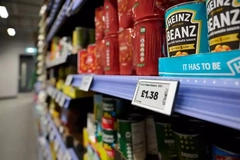
“We’re seeing this war affecting the supply chain in many ways. As fuel prices spike, so do disposable primary and tertiary packaging material costs,” Holly Maher, vice president of Sales at Tosca, tells Packaging Insights.
“A US$10 increase in oil pricing typically raises overall packaging production costs by several cents per pound due to higher energy and raw material expenses. Instability across key shipping routes is also creating delays and forcing rerouting, adding further cost and complexity to packaging logistics.”

The report calls for producers to consider six “impact zones” along the supply chain: product damage, transportation costs, worker efficiency, AI and automation, regulatory compliance, and retailer requirements.
Disruptions damage products
Current supply change disruptions increase transit times and handling frequency, raising the likelihood of product damage, argues Maher.
“Fragile food categories like produce, eggs, and proteins are especially exposed since they rely on fast and consistent movement with minimal buffering. When flow is interrupted, small delays can lead to spoilage or compromised product integrity.”
She notes that traditional corrugated packaging is more vulnerable under these conditions, “especially when exposed to moisture or stacking pressure over long transit periods.”
“This leads to higher case damage rates and shrinkage. Durable, reusable packaging solutions are better equipped to maintain product protection across unpredictable supply chain conditions.”
Is reusable packaging the answer?
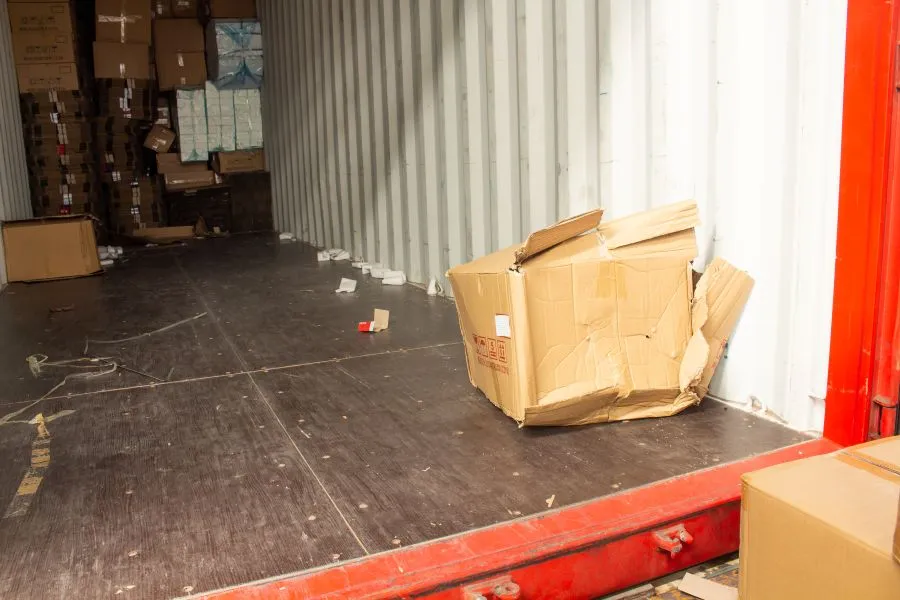 Maher suggests that current supply change disruptions increase transit times and handling frequency, raising the likelihood of product damage.Reusable options can mitigate shortfalls caused by the “impact zones” due to their material durability and regulatory compliance, according to the report.
Maher adds: “Improving the damage rates isn’t about fixing one failure point — it’s about tightening the entire system. The first step is improving packaging integrity and consistency. Crushed, misshapen boxes cause damage in transit and create production stops in automated environments, reducing throughput.”
She shares that up to 11% of unit loads can experience some level of damage, and in cold and wet environments, corrugated can lose up to 60% of its box strength.
“Leading companies are shifting from a reactive to a preventative mindset. Instead of absorbing shrink as a cost of doing business, they treat product protection as a strategic lever tied to margin, customer satisfaction, and operational efficiency.”
Labor disruptions
Reusable packaging can eliminate unnecessary manual tasks associated with the disposable packaging supply chain, like box erection, taping, breakdown, cleanup, and re-packing, says the report.
This is due to reusable containers’ ready-to-use form, which does not require disposal. Moreover, bulk bins can remove corners, straps, and pallet assembly requirements.
According to the report, decreasing manual tasks is especially prevalent as labor shortages increasingly become a reality across the food supply chain, which is also affected by global market tensions.
“Labor efficiency is also declining because disruptions are creating more touchpoints across the supply chain. Businesses are increasing manual handling, repacking, and exception management. In certain cases, it may lead to labor market stagnation,” says Maher.
To offset cost, Maher highlights how food companies are optimizing loads, consolidating shipments, fast-tracking automation investments, and re-evaluating packaging and handling processes.
“Our research shows that packaging inefficiencies are already a significant and often overlooked contributor to margin erosion,” she concludes,