



Aimplas targets marine packaging pollution with enzymatic recycling

Key takeaways
- The Oceanzyme project will investigate enzymatic recycling to tackle marine plastic pollution.
- Researchers will study marine microorganisms to identify enzymes capable of breaking down PET and polyamides in saline environments.
- Recovered materials could be used for packaging, fishing gear, and aquaculture.
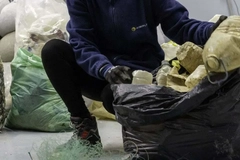 (Image credit: Aimplas).
Aimplas’s Oceanzyme project aims to tackle plastic packaging waste in marine environments through enzymatic recycling. According to the biotechnology research center, packaging littered in marine environments is often hard to recycle mechanically due to its highly degraded nature.
Alongside Aimplas, a consortium of industry and research stakeholders including the Institute of Marine Sciences, the Institute of Advanced Chemistry of Catalonia of the Spanish National Research Council, and the Vertidos Cero Association, has joined the Oceanzyme project, which runs from 2026 to 2028.
Co-funded by the EU through the European Maritime, Fisheries and Aquaculture Fund, the project utilizes metagenomic analyses — the study of genetic material recovered from environmental or biological samples. It also involves enzymatic characterization, molecular simulations, and bacterial isolation to enable the “functional degradation” of marine packaging waste.
“Marine plastics are often highly degraded due to prolonged exposure to UV radiation, saltwater, biofouling, and mechanical abrasion, making them difficult to recycle through conventional mechanical processes,” Pablo Ferrero, lead Biotechnology researcher at Aimplas, tells Packaging Insights.
“Enzymatic recycling offers a promising alternative because it can selectively depolymerize certain plastics into their original chemical building blocks, even when the material has experienced significant weathering.”
Enzymatic recycling uses bioengineered enzymes to break chemical bonds in complex materials, such as plastics, and returns them to their original chemical blocks.
Marine and ocean-bound plastic litter can cause serious harm to ecosystems and human health. In one modeled scenario of no improvement to global waste management, scientists estimate that by 2060, there will be 2.8 times more ocean plastic than in 2018.
Maintaining plastics performance
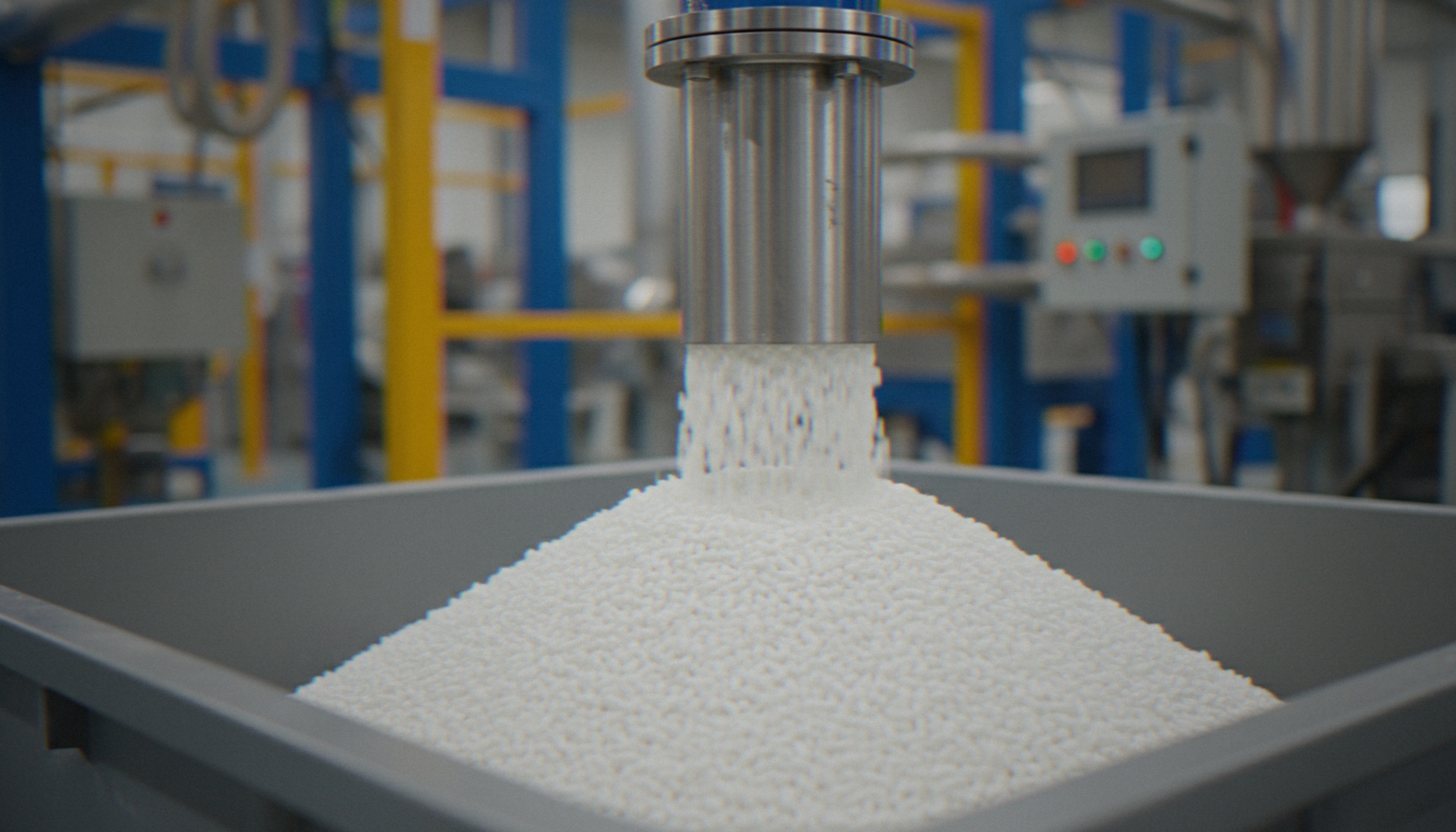 Ferrero explains that enzymatic recycling has the potential to produce high-quality recycled raw materials.In the project, passive fishing campaigns in two of Spain’s five marine areas will collect marine litter. Then, through metagenomics, the plastic waste is analyzed while the researchers cultivate a pure culture of plastic-compound-degrading bacteria.
Ferrero explains that enzymatic recycling has the potential to produce high-quality recycled raw materials and maintain plastic’s original chemical structure.
“It may also be better suited to treating contaminated marine plastic waste streams after appropriate pre-treatment, contributing to a more circular management of marine litter,” he adds.
In the project, enzymes with degradation potential will also be identified and modeled in 3D simulations, with the goal of testing and validating their possible use in enzymatic recycling applications.
Enzymatic recycling
Enzymatic recycling can break down different types of plastic packaging. In the Oceanzyme project, Ferrero explains that the focus will be on PET and polyamides, as these are among the most commonly found types of marine litter in fisheries.
He underscores that “rather than relying on existing enzyme systems, the project will explore the microbiology naturally associated with marine plastic debris to identify microorganisms with plastic-degrading capabilities.”
This “bioprospecting” approach aims to discover new plastic-degrading enzymes that are functional in saline environments.
Repurposing marine plastic litter
Recycled plastic is often turned back into packaging material or is upcycled into other industry materials. The Oceanzyme project is set to turn the marine litter from fisheries into plastic items needed in the blue sector.
“They could be used to manufacture products such as fishing gear components, aquaculture equipment, ropes, containers, packaging, or other durable plastic items used in fisheries and aquaculture.”
In a recent conversation with Packaging Insights, policy and conservation experts highlighted the importance of reducing single-use plastic packaging — often derived from fossil-based feedstocks — for island communities, who are disproportionately affected by ocean plastic pollution.
The Oceanzyme project aims to converge expertise from organizations in waste removal, marine microorganism studies, molecular simulations, and plastic recycling.
Ferrero concludes that “by enabling the recovery and reuse of valuable materials from marine litter, the project aims to contribute to reducing the sector’s dependence on virgin fossil-based plastics while promoting more sustainable resource use.”