
Island nations call for packaging redesign to curb ocean plastic

Key takeaways
- Island nations face mounting plastic pollution amid limited recycling infrastructure and dependence on imported packaging.
- Experts advocate reuse systems, DRS, and EPR.
- Industry and governments are urged to eliminate problematic packaging before it reaches island markets.
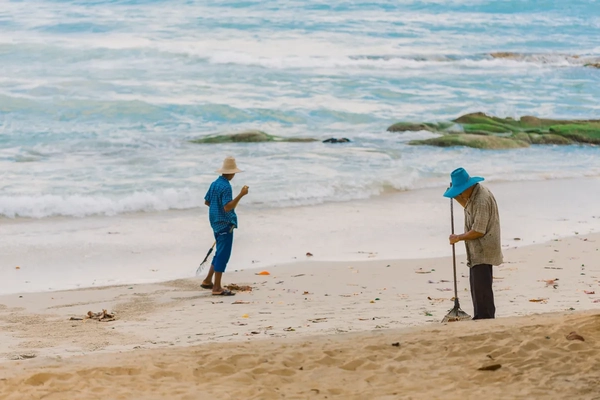
Despite efforts in the packaging industry to address rising levels of plastic pollution with innovations like fiber-based, reusable, and recycled-content solutions, ocean-bound plastic remains a prevalent issue, especially for island nations.
Ocean plastic pollution disproportionately affects island nations, which lack the infrastructure and investment to process large amounts of packaging waste. In one modeled scenario of no improvement to global waste management, the researchers estimate that by 2060, there will be 2.8 times more ocean plastic than in 2018.
To understand how packaging companies can design products to reduce the likelihood of them ending up in ocean environments, Packaging Insights sits down with conservation, government, and environmental NGO representatives.
One initiative is the Australian Government-funded Pacific Ocean Litter Project (POLP), which aims to reduce marine plastic litter in Pacific island countries.
Halatoa Fua, director for the National Environment Service for the Cook Islands, a POLP participating country, tells us that industry and governments must work together to reduce unnecessary packaging and ensure that it can be reused, recovered, exported, or managed in island markets.
“For island economies, the challenge is not only waste management, but also product design, import dependency, shipping costs, limited land availability, and the absence of large-scale recycling infrastructure.”
Meanwhile, conservation expert and former president of the Samoa Conservation Society, James Atherton, tells us that packagers need to switch to reusable packaging such as glass for beverages and promote biodegradable solutions.
In 2021, Coca-Cola switched from reusable glass bottles to plastic bottles in Samoa, while a recent study found that F&B plastic packaging is one of the most common sources of litter on the world’s coastlines.
There is increasing scrutiny on major F&B corporations to take responsibility for the packaging pollution they might produce by reducing production. A study found that, from 2000 to 2023, Coca-Cola, PepsiCo, and Nestlé produced around 138 million metric tons of plastic, of which 8% to 11% was recycled.
The performance/pollution paradox
Atherton and Fua each note that reducing plastic production, especially of single-use items, is key to reducing the pressure of plastic pollution on island communities.
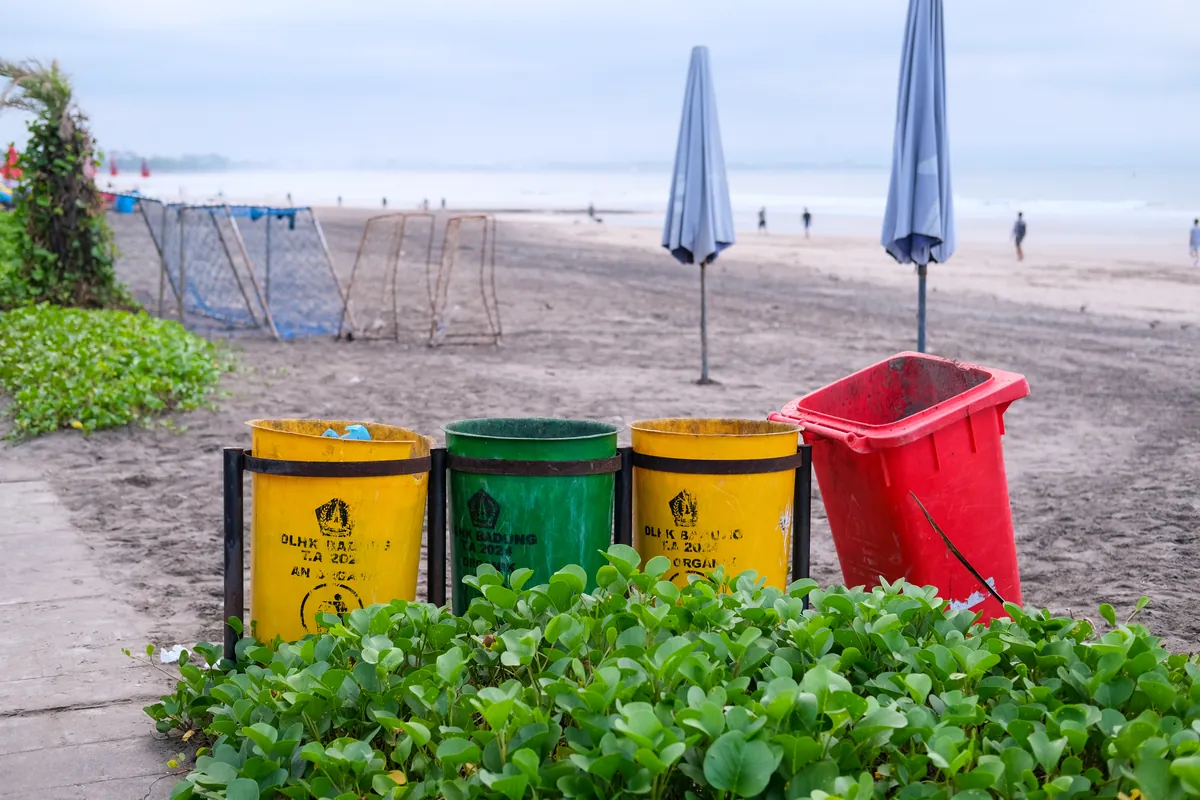 Circular waste management systems must be tailored to suit small and dispersed island markets, says Fua.Dr. Dana Miller, Oceana’s senior director of Strategic Initiatives, also tells us that a lot of F&B packaging is not needed or could be replaced with reusable packaging.
However, consumer and environmental groups’ push for plastic reduction is, at times, at odds with the packaging industry’s purpose to protect products. This is especially prevalent for F&B packaging. Switching to non-plastic materials can result in performance trade-offs that led to increased food waste, which is also a global environmental concern.
For island nations, Fua explains that “the most practical circular packaging models are those that are simple, enforceable, and suited to small and dispersed markets.”
“Deposit return systems (DRS) for beverage containers, refill and reuse models for water and household products, community-based recovery schemes, and regional aggregation of recyclable materials have shown strong potential,” he adds.
F&B corporations and packaging producers are also pursuing lightweighting and recyclability as another means to reduce plastic. Packaging Insights recently spoke to Paritosh Ladhani, managing director at SLMG Beverages, a Coca-Cola distributor, who told us that the industry is moving toward lightweight PET, recyclable materials, and packaging formats designed for a circular economy.
Reuse as a solution
Reusable packaging options are fast becoming one example of packaging that can effectively reduce plastic pollution and support circular systems.
However, reuse system companies Borealis, Tomra, and Eco-Products previously explained to us that scaling reuse systems relies on close value-chain collaboration.
“Reusable containers go through repeated industrial dishwashing, handling, and transport, and are subject to mechanical stress throughout,” Peter Voortmans, VP for Marketing Consumer Products at Borealis told Packaging Insights. “So they need to be designed with those conditions in mind.”
Miller at Oceana notes that “refillable glass bottling systems have operated all over the world for decades. Despite being replaced with single-use plastic bottles and cans in many places, they still exist in some countries and work at scale.”
She also adds that there is too much focus on plastic recycling and recycled content as a solution to plastic pollution.
“Plastic recycling is problematic as plastic is not an infinitely recyclable material, and there are many types of plastic, which complicates and contaminates the plastic recycling process,” she attests.
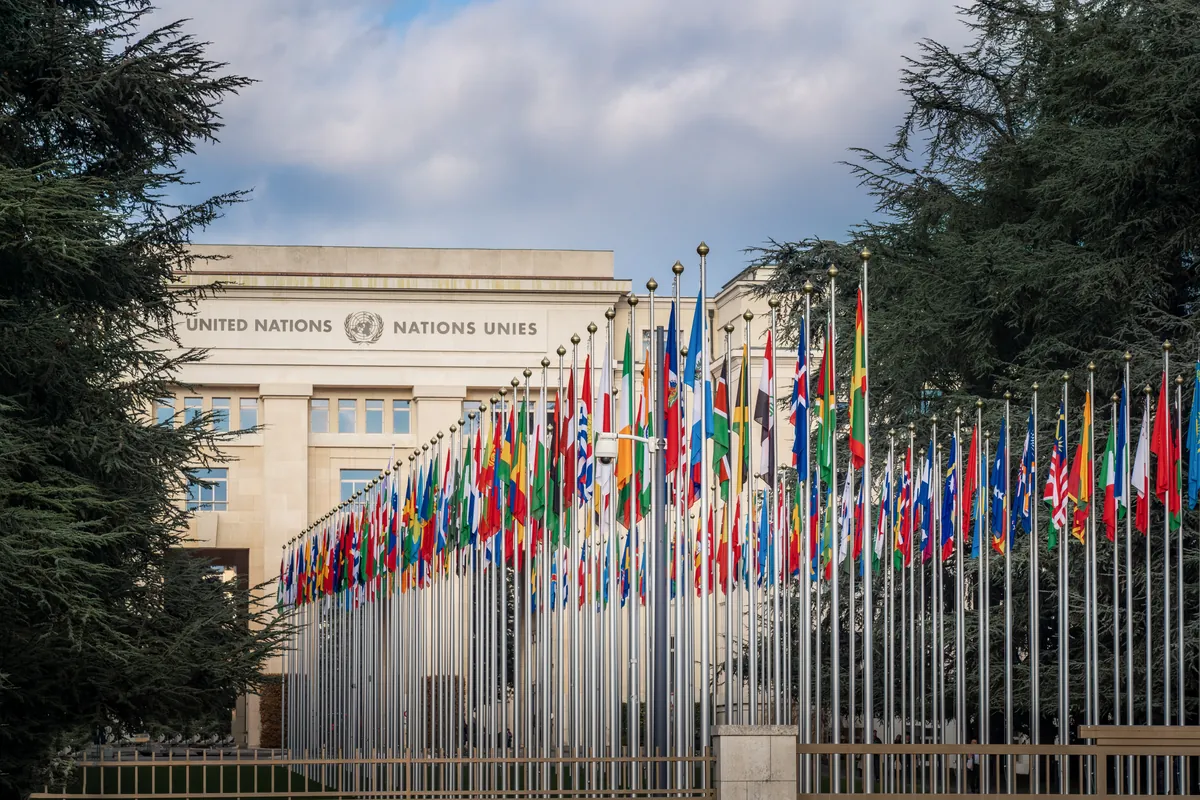 Recent legislation has targeted ocean plastic pollution, while last year’s UN Ocean Conference called for stronger marine protection and pollution controls.Fua argues that while reuse systems have potential, they work best when backed by clear import controls, EPR schemes, reliable collection systems, and financing for transport and export.
“Tools such as EPR, DRS, reuse targets, and packaging import rules must be adapted to the realities of island economies,” he underscores.
Global plastic reduction
In recent years, legislation has attempted to install ocean plastic pollution prevention policies. Last year, the third UN Ocean Conference concluded with a joint call to expand marine protection and curb ocean pollution. The UN Global Plastics Treaty, despite failing to pass, includes articles that aim to mitigate ocean plastic pollution.
“For the Cook Islands, the UN Global Plastics Treaty must recognize the special circumstances of Small Island Developing States. Islands are on the frontline of plastic pollution but often have the least capacity to manage the products and packaging imported into their economies,” says Fua.
Miller also places emphasis on governments and regulators to support reusable packaging and introduce EPR’s that make it “less appealing to continue selling products in single-use plastic packaging.”
Packaging industry efforts
Miller points out that global organizations, including those in the packaging sector, can increase awareness among the public about reusable packaging and “shift away from our global reliance on single-use plastic.”
Recent industry efforts have included the TUI Care Foundation’s expansion of its recycling project in Curaçao. Senior manager for Program Development at the TUI Care Foundation, Ivory Hackett-Evans, said that packaging producers can support more circular packaging systems by designing packaging that is manageable in an island context.
Last year, Chomps, a US-based snack brand, announced a collaboration with 4ocean, a global clean-up organization, to help reduce plastic pollution in the ocean.
However, Atherton argues that “much stronger” action is needed to enforce circular policies from packaging producers and governments alike.
For Fua, the path forward is clear: “The most effective solution is to stop problematic plastic packaging before it becomes waste, before it reaches our islands, and before it enters our ocean.”