




Australian Beverages Council urges packaging reform to secure supply chains

Key takeaways
- The Australian Beverages Council calls for urgent national reform of packaging regulations to strengthen local recycling and reduce landfill waste.
- The industry organization highlights the success of container deposit schemes as a model for a national EPR.
- The reform could boost domestic recycling, secure supply chains, create jobs, and harmonize packaging policies across Australia.
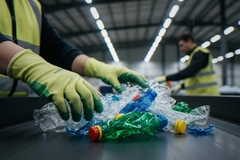
The Australian Beverages Council has highlighted the “urgent need” for national reform on packaging regulations in the country at a ministerial roundtable held to discuss the disruptions to the global beverage manufacturing supply chain.
“Australia has the opportunity to create a strong, local industry that supports the recycling of plastic materials back into F&B packaging,” says Geoff Parker, CEO of the Australian Beverages Council, an organization representing the country’s non-alcoholic beverage industry.
“Recent disruptions have only served to highlight our exposure to global supply disruptions and confirmed the need for urgent prioritization of these reforms.”
The Australian Beverages Council points to the beverage industry’s network of container deposit schemes (CDS) operating across Australia as an example of how EPR schemes can be implemented to reduce the volume of recyclable materials sent to landfills.
“With manufacturers, recyclers, and the waste sector working with the government to deliver these reforms, we can strengthen Australia’s domestic recycling capabilities, while supporting jobs and investment across the industry,” adds Parker.
“We have an opportunity to reduce the volume of recyclable material being sent to landfill and instead ensure that material is processed and made into new packaging right here in Australia. This is central to minimizing the impacts of global events on our critical supply chains.”
EPR scheme required
The industry organization urges the government to adopt a “nationally consistent approach” to packaging to establish a national EPR scheme that recognizes the role of CDS infrastructure and facilitates investment in domestic recycling capability.
“While CDS diverts billions of beverage containers from landfill every year, more can be done to make the schemes more accessible to consumers with conveniently located return points to encourage greater participation.”
“This will lift the return rate and reduce the leakage of material out of the circular economy, further supporting the domestic recycling industry. These lessons from our involvement with CDS inform our support for a national approach to EPR and the critical need for harmonization.”
Last year, the Australian Packaging Covenant Organisation said it would not proceed with the introduction of its proposed EPR fee model in the 2027 fiscal year.
Meanwhile, the Australian Council of Recycling told Packaging Insights that the country’s recycling sector risks collapse without an EPR.