

Bio-based packaging materials set for “widespread” adoption, says CBE JU

Key takeaways
- CBE JU says several bio-based packaging projects are nearing “widespread” market adoption, with around 26 packaging projects developing nearly 70 products.
- Initiatives such as PEFerence, Terrific, and BioWrap are targeting F&B packaging applications.
- Regulatory fragmentation, end-of-life uncertainty, and cost competitiveness remain key barriers.
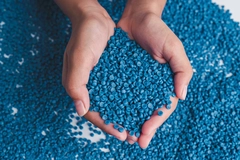
The Circular Bio-based Europe Joint Undertaking (CBE JU) expects several bio-based material projects it funds to achieve “widespread” market adoption over the coming years and demonstrate “the growing commercial potential” of bio-based packaging solutions.
Approximately one-third of the projects funded by CBE JU focus on bio-based materials. The public-private partnership fund for bio-based R&D in the EU has a portfolio of 26 projects dedicated to research and innovation in the packaging sector. It is developing close to 70 different packaging products.
“Out of these projects, CBE JU has funded three first-of-their-kind flagship biorefineries (technology readiness level 8) focused on direct packaging applications: PEFerence (2015), Terrific (2023), and BioWrap (2025),” Nicoló Giacomuzzi-Moore, executive director at CBE JU, tells Packaging Insights.
Giacomuzzi-Moore argues that by funding innovative projects that aim to broaden the development and uptake of bio-based materials across key industrial sectors, including packaging, the organization is positioning itself “at the forefront” of bio-based innovation in Europe.
Bio-based R&B across sectors
The PEFerence project was completed in October 2025. It established an industrial-scale biorefinery flagship plant producing furan dicarboxylic acid, a bio-based building block with packaging material applications, and is said to be cost-effective.
Project Terrific aims to tackle supply chain challenges affecting the packaging sector, including high energy prices, dependencies on raw materials, and inflation, by demonstrating the viability of circular packaging solutions.
BioWrap is in the process of developing a certified, fully compostable paper-based bubble wrap alternative with its patented nanocellulose fiber bonding that replaces synthetic adhesives.
“Together, these projects are developing a broad portfolio of innovative bio-based packaging products, including fully bio-based polyester bottles, films, and fibers,” says Giacomuzzi-Moore.
 Nicoló Giacomuzzi-Moore, executive director at CBE JU (Image credit: CBE JU).“They are also developing packaging solutions with over 95% renewable resource content, such as laminated barrier stick packs, food trays, multilayer barrier flexible packaging films, expanded thermoboxes, injection-molded coffee capsules, thermoformed cups, woven tea bags, and bubble films.”
Barriers yet to be overcome
CBE JU says it supports the advancement of bio-based innovations from research to market, while simultaneously addressing the most significant hurdles to scaling bio-based solutions, including regulatory hurdles and cost competitiveness challenges.
“Several CBE JU-funded projects reported policy and regulatory hurdles for scaling up bio-based packaging. Based on the outcome of the analysis, there is a demand for clearer and more streamlined frameworks that specifically address the needs of the bio-based sector,” says Giacomuzzi-Moore.
“These should include considerations for all current available packaging materials, including the use of bio-based materials and waste recycling technologies.”
CBE JU adds that another challenge is the lack of harmonization among national legislations of EU member states in dealing with products at their end-of-life.
A recent study by the Nova-Institute for the Publications Office of the EU concluded that bio-based plastic packaging could support the climate-neutrality goals outlined in the Packaging and Packaging Waste Regulation (PPWR) by replacing virgin fossil carbon.
In response, advocacy groups addressed a letter to the European Commission calling for alignment between the EU’s bio-based plastics policy and its circular economy objectives.
Another barrier to expanding bio-based packaging’s market presence is cost competitiveness, according to CBE JU.
“Fossil-based materials rely on highly optimized supply chains, resulting in cheap feedstocks. Emerging bio-based alternatives struggle to match the economies of scale driven by high initial capital expenditures and cost of materials,” Giacomuzzi-Moore explains.
CBE JU supports the advancement of bio-based innovations from research to market by aiming to derisk investments and supporting the creation of “strong, integrated industrial value chains” across Europe.
The Strait of Hormuz crisis, fueled by the US–Iran conflict, interrupted the supply of virgin, fossil-based plastic material for packaging, leading some businesses to consider recycled plastic and reusable alternatives.
Solutions for PPWR compliance
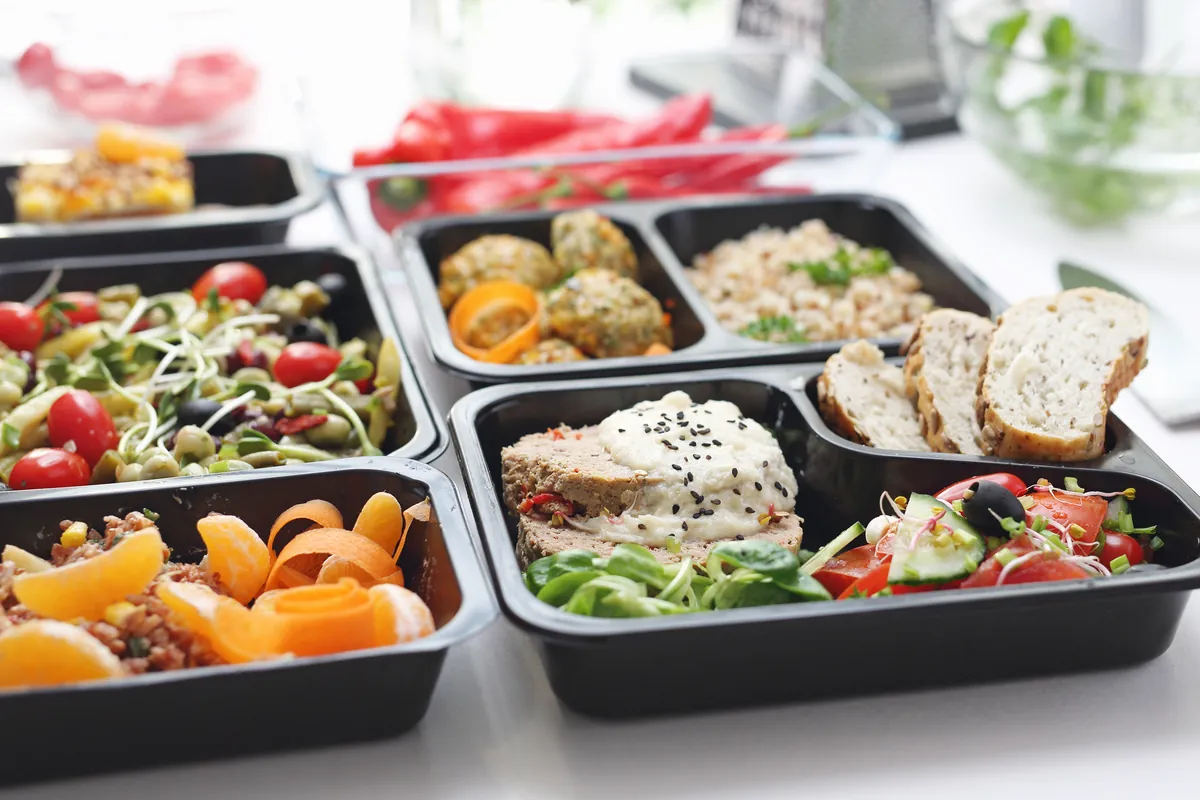 CBE JU funds bio-based packaging projects, such as food trays, multilayer flexible films, and injection-molded coffee capsules.CBE JU projects encompass resource-efficient, safe, and “sustainable-by-design” approaches, according to the organization. It says that the projects it funds aim to address many articles of the EU’s PPWR, including its requirements on substances used in packaging. This is said to be achieved by ensuring implementation of a “safe and sustainable by design” framework within the projects, as well as by guaranteeing recyclability through design.
Giacomuzzi-Moore points to the BioWrap project as an example of a recently funded initiative to develop a secondary packaging material solution that is recyclable in current waste streams. It is also the first CBE JU flagship project in Germany.
“This innovation directly addresses PPWR goals, enabling a scalable, circular solution to replace millions of square meters of plastic packaging, reduce marine and landfill pollution, and strengthen Europe’s sustainable manufacturing competitiveness,” he says.
“Additionally, CBE JU is currently funding projects aimed at improving the recycling of bio-based plastics by increasing sorting efficiency and the recycled content of bio-based plastic materials, in line with the objectives of the Circular Economy Action Plan, the Plastics Strategy, the Waste Framework Directive, and the New Bioeconomy Strategy.”
Giacomuzzi-Moore says that among these projects, ReBioCycle, Prosper, and MoeBios are examples of such projects, working to develop and demonstrate recycling technologies for bio-based plastics.
Packaging Insights discussed the four-year MoeBios project to address bioplastic recycling hurdles with Miriam Lorenzo Navarro, chemical recycling project manager at the Spanish research and technology center Itene.