




Food packaging chemicals of concern need group-based scrutiny, scientists urge

Key takeaways
- Scientists have developed a framework that groups food-contact chemicals by structural similarity.
- Researchers identified 1,222 potentially harmful chemicals, including 94 high-priority substances known to migrate from food-contact materials and detected in humans.
- The study calls for greater supply chain transparency and the phaseout of known hazardous substances.
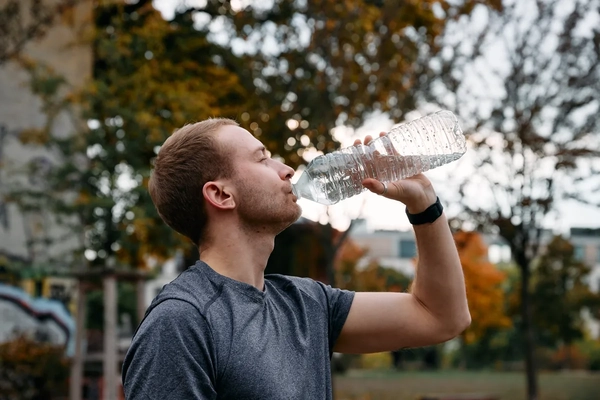
Scientists from the Food Packaging Forum Foundation have urged for the assessment of food contact chemicals (FCC), such as those from packaging, to be evaluated in groups of structural similarity, rather than on an individual basis. Doing so could reduce the risk of “regrettable substitutions,” in which a hazardous chemical is replaced by a similar, equally hazardous chemical.
In a new study, conducted by the non-profit organization based in Zurich, Switzerland, and published in Environmental Science and Technology, scientists have constructed a framework to identify and group potentially hazardous chemicals used in food-contact materials, including packaging.
“Toxicity of chemicals is driven by structural similarity. At the moment, not all chemicals in food packaging have sufficient hazard data in the public domain to assess their safety,” Dr. Helene Wiesinger, corresponding author of the study, tells Packaging Insights.
“When one hazardous chemical gets replaced with a structurally similar chemical lacking sufficient data, this can become a regrettable substitution.”
She points to the example of the replacement of BPA (Bisphenol A) with BPS (Bisphenol S), and of PFOA (perfluorooctanoic acid) with GenX chemicals, after which the substitutes were later found to be more hazardous than the original chemical.
Wiesinger explains that the group method developed by the researchers can help quickly spot a chemical that is structurally similar to hazardous chemicals.
“This allows companies and regulators to assess and manage groups of chemicals in a proactive and precautionary manner,” she notes.
Chemical groupings
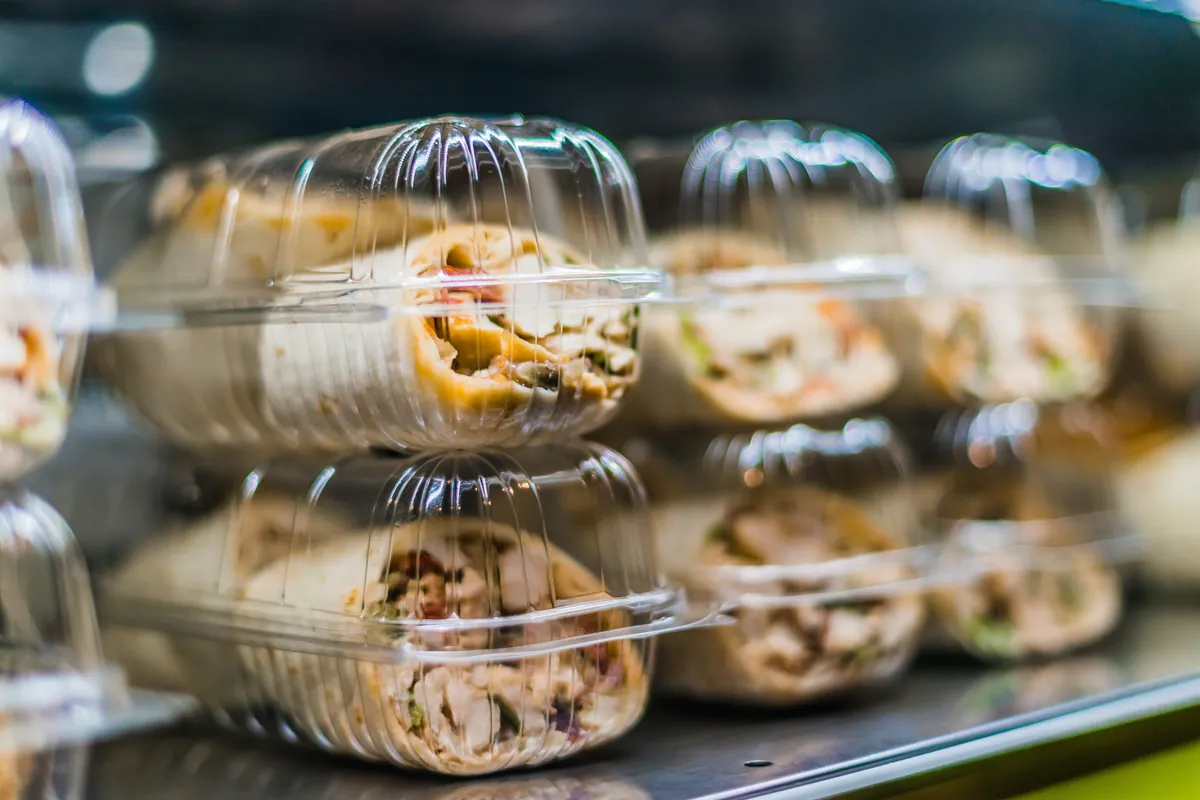 Researchers urge food-contact chemicals to be assessed in groups based on structural similarity.The researchers found 1,222 chemicals potentially harmful to human health, including carcinogenicity, reproductive toxicity, and endocrine disruption.
Out of these, 94 were placed in the highest-priority Tier 1, as they are already known to migrate from food-contact materials and have been detected in humans.
“This combination of hazard and exposure evidence suggests that people are already being exposed to these substances,” says Wiesinger.
The other tiers identified in the study have lower levels of exposure evidence. Tier 2 are chemicals with evidence for migration, Tier 3 are chemicals with empirical presence in products, and Tier 4 are listed for use in regulations — so they are potentially used, but lack empirical exposure evidence, explains Wiesinger.
She argues that for packaging manufacturers, the next question is whether these potentially hazardous chemicals are relevant for products and materials, highlighting two tools the researchers have developed.
The Food Packaging Forum Foundation’s FCCprio list allows users to filter chemicals by material and exposure evidence. Similarly, the FFCprio and FCCgroup tools screen chemicals found through supply-chain communication and laboratory testing.
“Together, these tools allow manufacturers to spot known hazardous chemicals and potentially hazardous chemicals in priority groups relevant for their products,” says Wiesinger.
Lack of harmonized data
The research also finds that around 4,222 food-contact chemicals are structurally related to hazardous chemicals within the priority groups. Overall, 87% of the 15,159 analyzed chemicals in the whole study lacked harmonized hazard data.
The researchers urge the phasing out of well-established hazardous chemicals and increasing industry transparency.
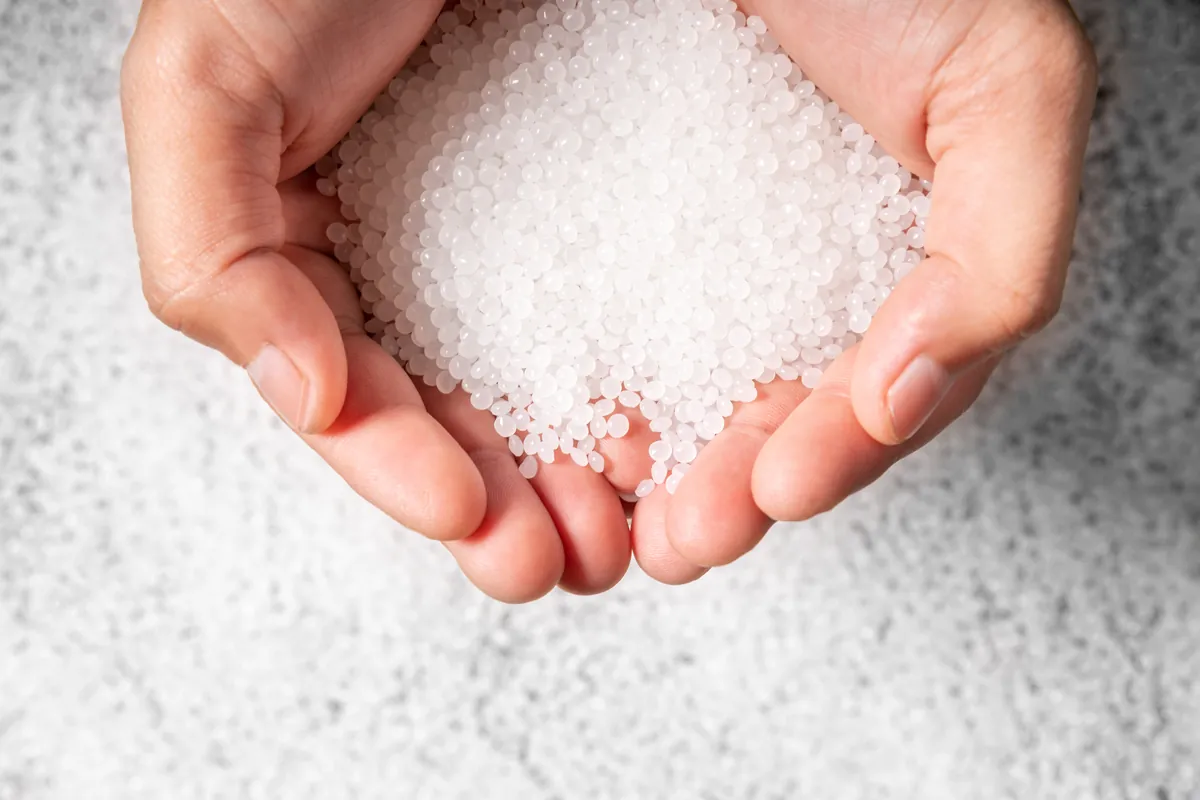 Group-based assessments could prevent hazardous chemicals from being replaced with equally harmful substitutes.“Manufacturers and suppliers should provide comprehensive, standardized information on the chemicals they place on the market or that are part of the products, including hazard data, uses, physicochemical properties, and analytical standards,” says Wiesinger.
She adds that greater supply chain transparency could “help prioritize” the chemicals that most urgently need testing for their potential hazardous impacts.
Earlier this year, a report from the UN Food and Agriculture Organization urged a robust risk assessment into the use of recycled plastic in food contact packaging to mitigate the risk of chemical contamination.
Moreover, Wiesinger advocates for a holistic strategy that tackles mixtures of chemicals. “We are never exposed to individual chemicals in isolation but rather to broad mixtures.”
She concludes: “This means we need more holistic strategies, including mixture toxicity assessment or testing finished food packaging for biological activity, to reduce the overall human exposure to hazardous or untested chemicals.”